
Beautiful Plants For Your Interior
Beautiful Plants For Your Interior
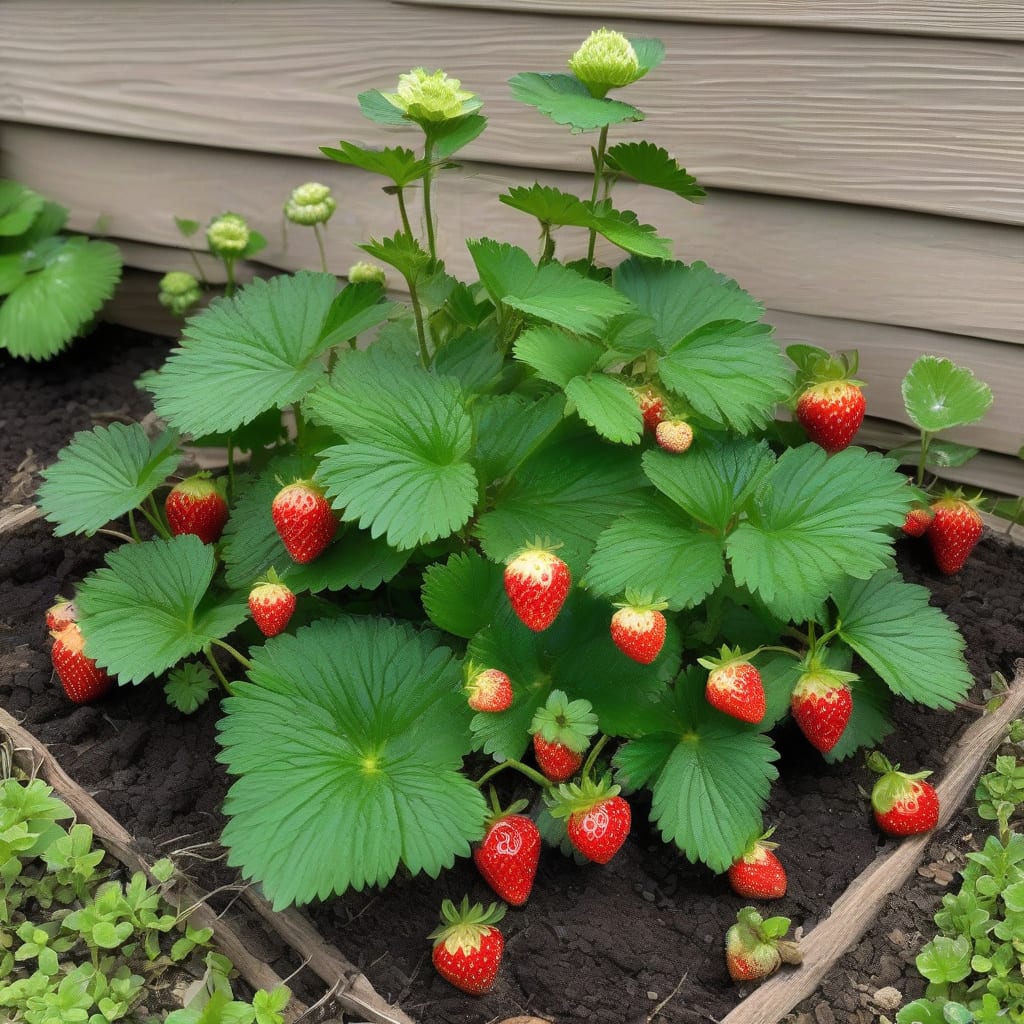
I’ve always been fascinated by how quickly strawberry plants 🍓 can spread in a garden. Understanding their growth habits is key to maximizing your harvest and planning your garden space effectively.
Let’s explore how tall strawberry plants can grow and what factors influence their height, helping you make the most of your garden in USDA Zone 6.

I’ve found that strawberry plants come in various types, each with its unique growth characteristics. The height of strawberry plants can vary significantly depending on the variety and growing conditions.
Strawberry varieties generally fall into three main categories: alpine, wild, and garden strawberries. Alpine strawberries are known for their compact growth, typically reaching heights of 6-12 inches. Wild strawberries spread more aggressively and can grow up to 12-18 inches tall. Garden strawberries, the most common type, usually grow between 6-18 inches in height.
The growth pattern of strawberry plants is also important to consider. They produce runners that spread out and can form new plants, which can affect their overall height and spread. Proper care and conditions can influence how tall strawberry plants grow.
Factors affecting growth include soil quality, sunlight exposure, and watering practices. For example, well-draining soil and adequate sunlight can promote healthy growth and maximize height.
Understanding these factors is crucial for gardeners to make informed decisions about their strawberry plants. By recognizing the different varieties and their growth habits, gardeners can better plan their garden space and optimize growing conditions.
Let’s examine how different growing conditions impact strawberry plant height and overall health. This knowledge will help gardeners create optimal environments for their plants.
Strawberry plants are sensitive to their environment, and factors like soil quality, sunlight exposure, and watering practices play a significant role in their growth. By understanding these factors, gardeners can take steps to promote healthy growth and maximize their harvest.
In addition to variety selection, gardeners should consider the specific growing conditions required for optimal strawberry plant growth. This includes providing adequate sunlight, maintaining well-draining soil, and implementing proper watering practices.
By combining the right variety with optimal growing conditions, gardeners can enjoy a bountiful harvest of delicious strawberries. Proper care and attention to detail are essential for maximizing yield and plant health.
Effective management of strawberry plant height is crucial for optimal garden performance. This involves techniques such as pruning, supporting, and spacing plants correctly to maintain healthy growth and maximize space.
By implementing these strategies, gardeners can create a thriving strawberry patch that produces abundant fruit and remains healthy over time. Regular maintenance and attention to detail are key to successful strawberry cultivation.
I’ve found that several key factors significantly impact the height of strawberry plants. Understanding these elements is crucial for gardeners to optimize growing conditions and maximize their harvest.
Soil quality plays a vital role in determining strawberry plant height. Well-draining soil with a pH between 5.5 and 6.5 is ideal for strawberry cultivation. Soil that is too dense or prone to waterlogging can lead to root rot, stunting plant growth. Incorporating organic matter like compost can improve soil structure and fertility, promoting healthy plant development 🌿.
For optimal strawberry growth, ensure your soil has good drainage and a balanced pH. Regularly adding organic matter can significantly improve soil quality and promote healthy plant growth 🌱.
Sunlight exposure is another critical factor influencing strawberry plant height. These plants require full sun to partial shade, with a minimum of 6 hours of direct sunlight per day. Insufficient light can lead to weak, spindly growth, while excessive sunlight can cause stress and reduce plant height 🌻.
Watering practices also significantly impact strawberry plant height. Consistent moisture, especially during fruiting, is essential. However, overwatering can lead to root rot, while underwatering can stress plants and limit their growth. A balanced watering schedule that keeps the soil moist but not waterlogged is ideal 💧.
By understanding and managing these factors, gardeners can create optimal conditions for their strawberry plants, promoting healthy growth and maximizing height. This knowledge is crucial for achieving a bountiful harvest and maintaining a thriving strawberry patch.
In addition to these primary factors, other elements such as fertilization and pruning practices also play a role in determining strawberry plant height. Proper fertilization provides essential nutrients, while pruning helps maintain plant health and structure.
Effective management of these factors requires careful planning and attention to detail. By combining the right growing conditions with proper care techniques, gardeners can enjoy a healthy and productive strawberry crop.
Regular monitoring of strawberry plants is essential to identify any issues early and make necessary adjustments. This proactive approach helps maintain optimal growing conditions and supports healthy plant growth.
By following these guidelines and understanding the factors that influence strawberry plant height, gardeners can optimize their growing practices and enjoy a successful harvest.
I always emphasize proper management of strawberry plant height for achieving optimal garden performance. Effective techniques help maintain healthy growth and maximize available space.
Pruning practices are essential for controlling strawberry plant height. Regular removal of dead or damaged leaves improves air circulation and reduces disease risk. For ever-bearing varieties, removing early flowers can promote stronger plant growth.
Remove dead leaves and trim runners to maintain plant health and encourage new growth 🌱.
Regularly check plants for new runners and trim as needed to control spread and maintain desired height 🌿.
Supporting strawberry plants can also help manage their height. Using plant supports or trellises keeps plants upright and organized. This is particularly useful for varieties that tend to spread or grow taller.
Spacing is critical for maintaining healthy strawberry plants. Proper spacing between plants prevents overcrowding, reduces disease risk, and allows for better air circulation. Typical spacing recommendations vary between 12-18 inches depending on the variety.
By implementing these management strategies, gardeners can create a thriving strawberry patch that remains healthy and productive over time. Regular maintenance is key to successful strawberry cultivation.
Effective management of strawberry plant height not only improves garden aesthetics but also enhances overall plant health and productivity. By combining proper pruning, supporting, and spacing techniques, gardeners can maximize their strawberry yield.
Regular monitoring and maintenance are essential for long-term success with strawberry plants. By staying attentive to plant needs and adjusting care practices accordingly, gardeners can enjoy a bountiful harvest of delicious strawberries 🍓.
