
Beautiful Plants For Your Interior
Beautiful Plants For Your Interior
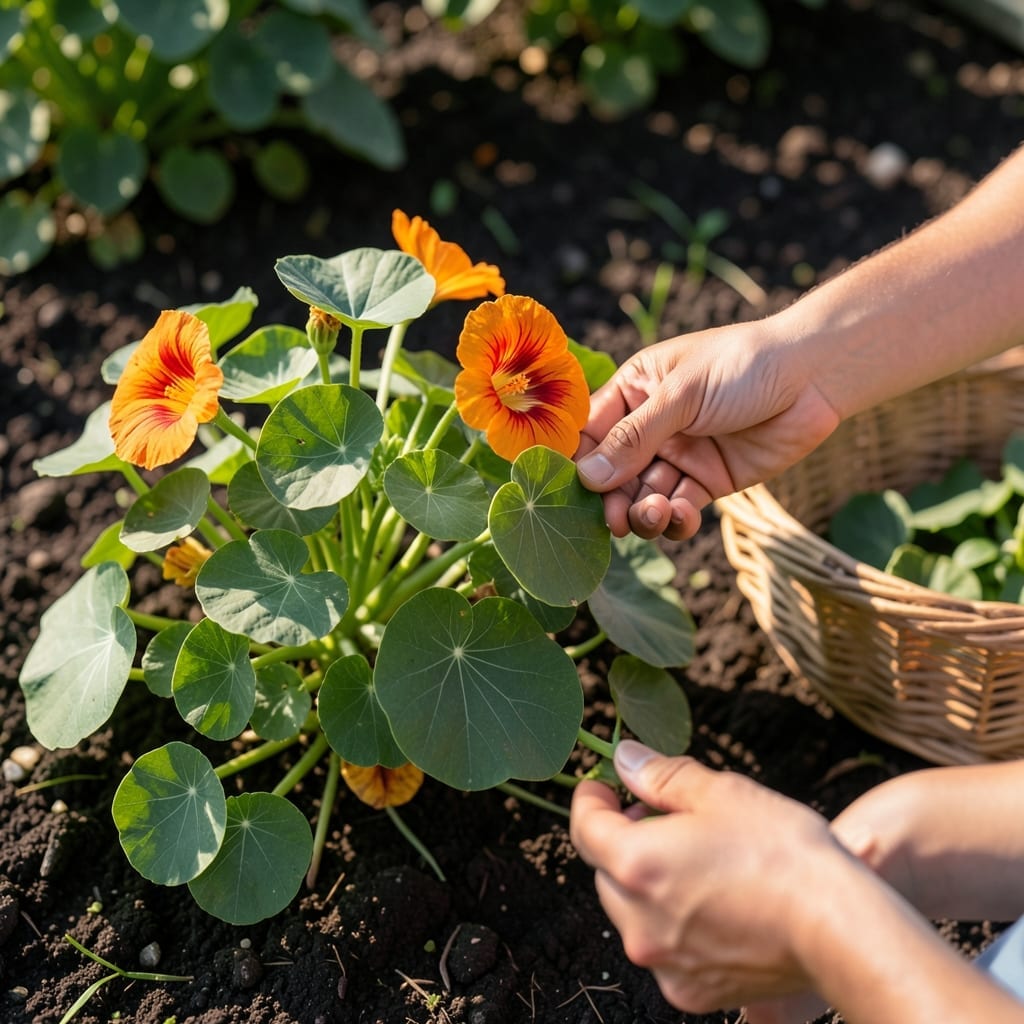
Yes, nasturtium leaves are completely edible with a peppery, slightly spicy flavor similar to arugula. They are safe to eat raw or cooked and rich in vitamin C.
I love how these vibrant leaves bring both flavor and nutrition to dishes. Their high vitamin C content makes them a great immune-boosting addition to salads or pestos. The slight spiciness pairs wonderfully with creamy elements like goat cheese or avocado. 🔥
In my kitchen, I treat them like microgreens for garnishing soups or blending into dressings. They’re an easy way to add a fresh, zesty kick without overpowering other ingredients. ✨
💡 In This Article
These leaves pack a serious nutritional punch with 130mg of vitamin C per 100g—that’s more than twice the amount in oranges. The peppery kick comes from glucosinolates, the same compounds that give mustard and horseradish their bite. These natural plant chemicals also act as powerful antioxidants, helping your body combat oxidative stress. 🔥
The leaves contain notable amounts of lutein and zeaxanthin, two carotenoids essential for eye health. They’re also a good source of minerals like iron (1.5mg per 100g), potassium, and calcium. Traditional medicine has valued nasturtium for its antibacterial properties, particularly against urinary tract infections. ✨
In culinary traditions, they’ve been used like watercress in salads or as a garnish. The flavor intensity varies by variety—Tropaeolum majus (common garden nasturtium) has the strongest peppery notes, while Tropaeolum tuberosum offers a milder taste. The younger leaves are most tender and flavorful. 💫
What makes them unique is their versatility. Unlike many greens that turn bitter when cooked, nasturtium leaves maintain their bright, fresh character even when lightly sautéed. This makes them perfect for both raw applications and cooked dishes where you want to preserve that zesty pop. ⚡
Their high water content (93%) means they’re low in calories but high in volume, making them great for weight-conscious eaters. The leaves also contain mustard oils that may help stimulate digestion. This combination of nutrients and flavor explains why they’ve been cultivated for both food and medicine since the 16th century. 🌟
They offer a peppery, slightly spicy kick similar to arugula or watercress. The flavor is bright and fresh, with a mild heat that lingers. Younger leaves tend to be milder than mature ones.
Raw leaves are perfect for salads, sandwiches, or as a garnish. Their crisp texture and bold flavor shine when uncooked. Just rinse and pat dry before using.
All parts of the plant are edible, including flowers and seeds. However, avoid consuming large quantities of seeds, as they may cause mild stomach upset in some people.
Keep them in a sealed container with a damp paper towel in the fridge for up to 3-4 days. For longer storage, blanch and freeze, though this softens their texture.