
Beautiful Plants For Your Interior
Beautiful Plants For Your Interior
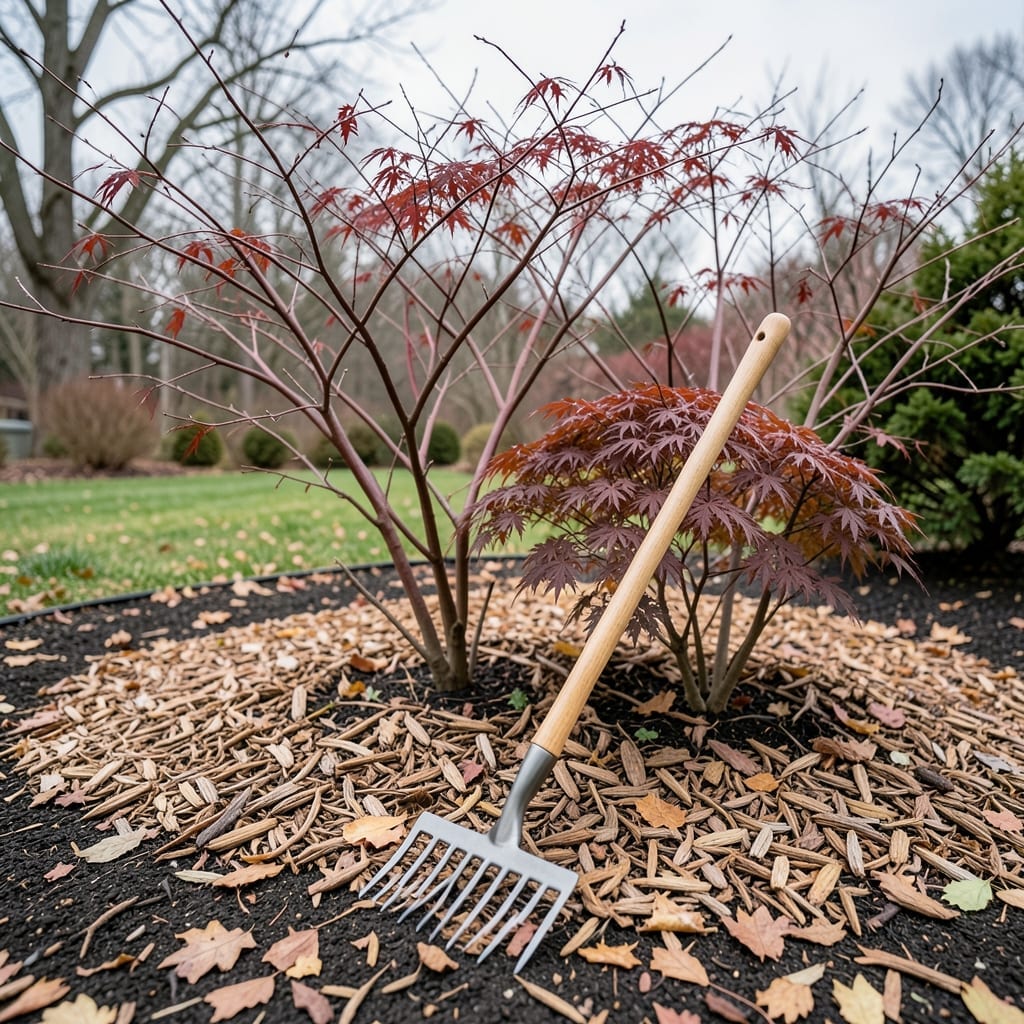
Mulched leaves improve soil health by retaining moisture, suppressing weeds, and adding organic matter as they decompose. They also regulate soil temperature and reduce erosion.
I’ve seen firsthand how this natural method creates a thriving garden ecosystem by fostering beneficial microbes that break down plant material into rich humus. 🔥 It’s particularly effective in preventing soil-borne diseases by maintaining consistent moisture levels, which can otherwise fluctuate and stress plants.
What’s more, the gradual decomposition process releases nutrients slowly, acting like a time-release fertilizer that supports long-term plant health. ✨
💡 In This Article
The decomposition process starts when microorganisms break down leaf material into humus. This transformation releases nitrogen, phosphorus, and potassium—essential nutrients plants absorb through their roots. The process typically takes 6-12 months, depending on leaf type and environmental conditions. 🔥
Microbial activity surges in the first 2-4 weeks as bacteria and fungi colonize the shredded leaves. These microbes produce enzymes that break down complex carbon compounds into simpler forms plants can use. A single gram of healthy soil can contain thousands of microbial species, working together to create a nutrient-rich environment. ✨
As leaves decompose, they improve soil structure by increasing its ability to hold water and air. The organic matter acts like a sponge, retaining up to 20% more moisture than bare soil. This is particularly beneficial in sandy soils that drain too quickly or clay soils that compact easily.
The result is a loamy texture that roots can penetrate easily. 💫
Long-term benefits include increased cation exchange capacity, which means the soil can hold and release nutrients more efficiently. Studies show that soils amended with organic matter can support 25-50% more plant growth compared to untreated soils. This enhanced fertility lasts for years as the organic matter continues to break down. ⚡
Temperature regulation is another key advantage. Mulched soil stays 5-10°F cooler in summer and 5-10°F warmer in winter than bare soil. This stability protects plant roots from extreme temperature swings that can stress or even kill sensitive plants. 🌟
Aim for a 2-3 inch layer around plants. This provides enough coverage to retain moisture and suppress weeds without smothering the soil. Keep it 3-4 inches away from stems to prevent rot.
Dry, disease-free leaves like oak, maple, or birch work well. Avoid walnut leaves due to juglone toxicity. Shred them to 2-3 inch pieces for faster decomposition.
Spring and fall are ideal. Apply in spring after soil warms, or in fall to protect roots over winter. Avoid thick layers in summer to prevent excess moisture trapping.
If applied too thickly, it can create a habitat for pests. Keep layers at 2-3 inches and monitor for signs of infestation. Properly shredded leaves decompose quickly, reducing this risk.