
Beautiful Plants For Your Interior
Beautiful Plants For Your Interior
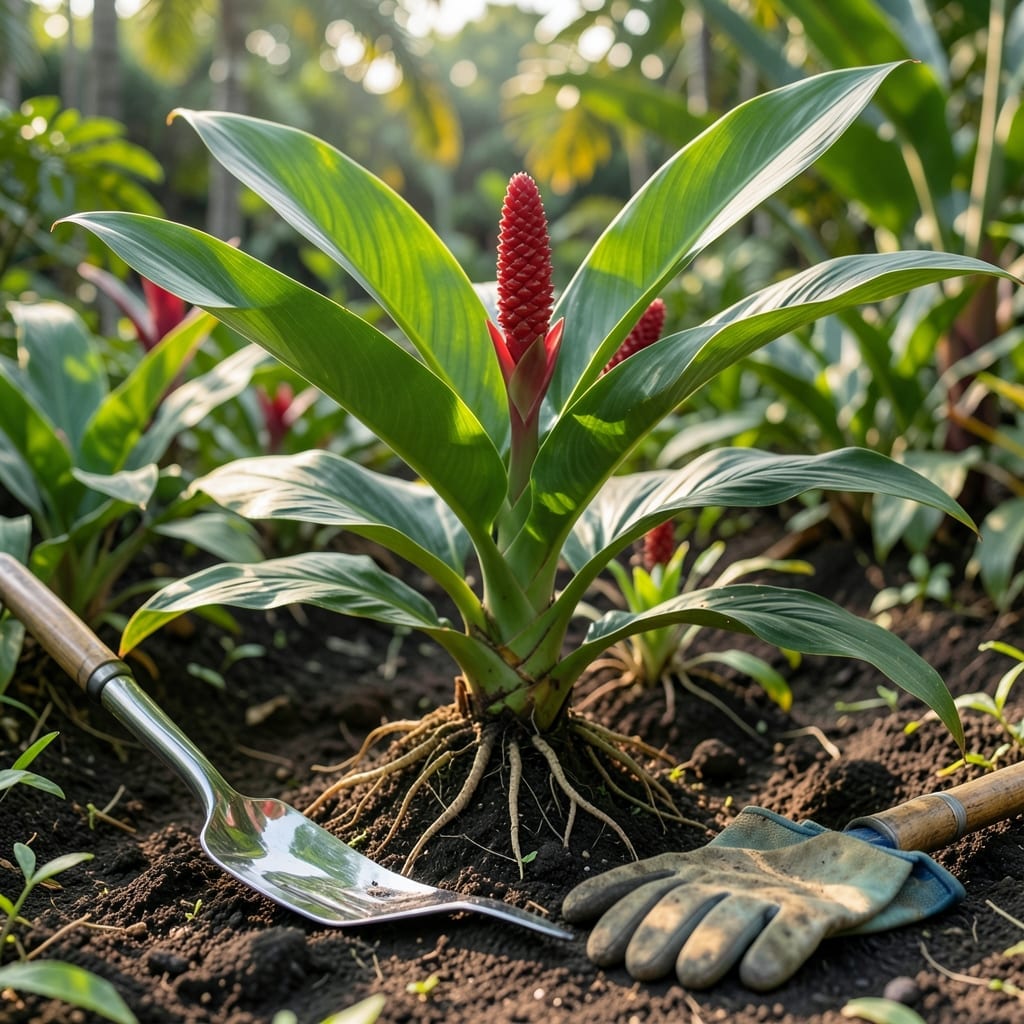
Shell ginger root is generally considered non-toxic but is not typically consumed as food. Its primary use is ornamental, with no established culinary value or safety data for ingestion.
I’ve found that while Alpinia zerumbet won’t harm you if touched, its lack of culinary tradition stems from absent flavor and untested long-term effects. Unlike common ginger, there’s no history of safe consumption or documented benefits to justify eating it. 🔥
For cooking, it’s far safer to stick with proven varieties like Zingiber officinale, which has centuries of use and known health perks.
💡 In This Article
The Alpinia zerumbet plant contains various phytochemicals like flavonoids and phenolic compounds. These are studied for potential benefits but lack food-grade safety testing. The root’s bitter taste and fibrous texture make it unappealing for consumption, unlike its relative, common ginger.
Historically, no culture has incorporated shell ginger root into cuisine. Its primary value lies in landscaping and traditional medicine, where the leaves and flowers are sometimes used. The absence of culinary use suggests potential digestive discomfort or unknown interactions with human biology.
Scientific research on Alpinia zerumbet focuses mainly on its ornamental and possible medicinal properties. There are no established guidelines for safe ingestion amounts. Without this data, the risk of adverse reactions remains uncertain. 🔥
Comparison to Zingiber officinale (common ginger) highlights the difference. Common ginger has documented culinary and medicinal uses spanning millennia. Its safety and benefits are well-studied, making it a trusted ingredient in kitchens worldwide.
For those considering consumption, the lack of toxicology studies is a red flag. Even non-toxic plants can cause allergic reactions or interact with medications. The prudent approach is to avoid eating shell ginger root until comprehensive safety data is available.
Shell ginger (Alpinia zerumbet) is primarily ornamental, with no culinary history. Regular ginger (Zingiber officinale) has been safely consumed for centuries and is well-studied for both flavor and health benefits.
While not confirmed toxic, its bitter taste and fibrous texture suggest potential digestive discomfort. Without established safety data, it’s best to avoid ingestion to prevent unknown reactions.
Yes, it’s widely used in landscaping and traditional medicine (leaves/flowers). For cooking, stick to proven edible varieties like common ginger or galangal to ensure safety and flavor.
Look for Zingiber officinale—firm, smooth roots with taut skin and a spicy aroma. Avoid any ginger labeled as ornamental or with unclear culinary use.