
Beautiful Plants For Your Interior
Beautiful Plants For Your Interior
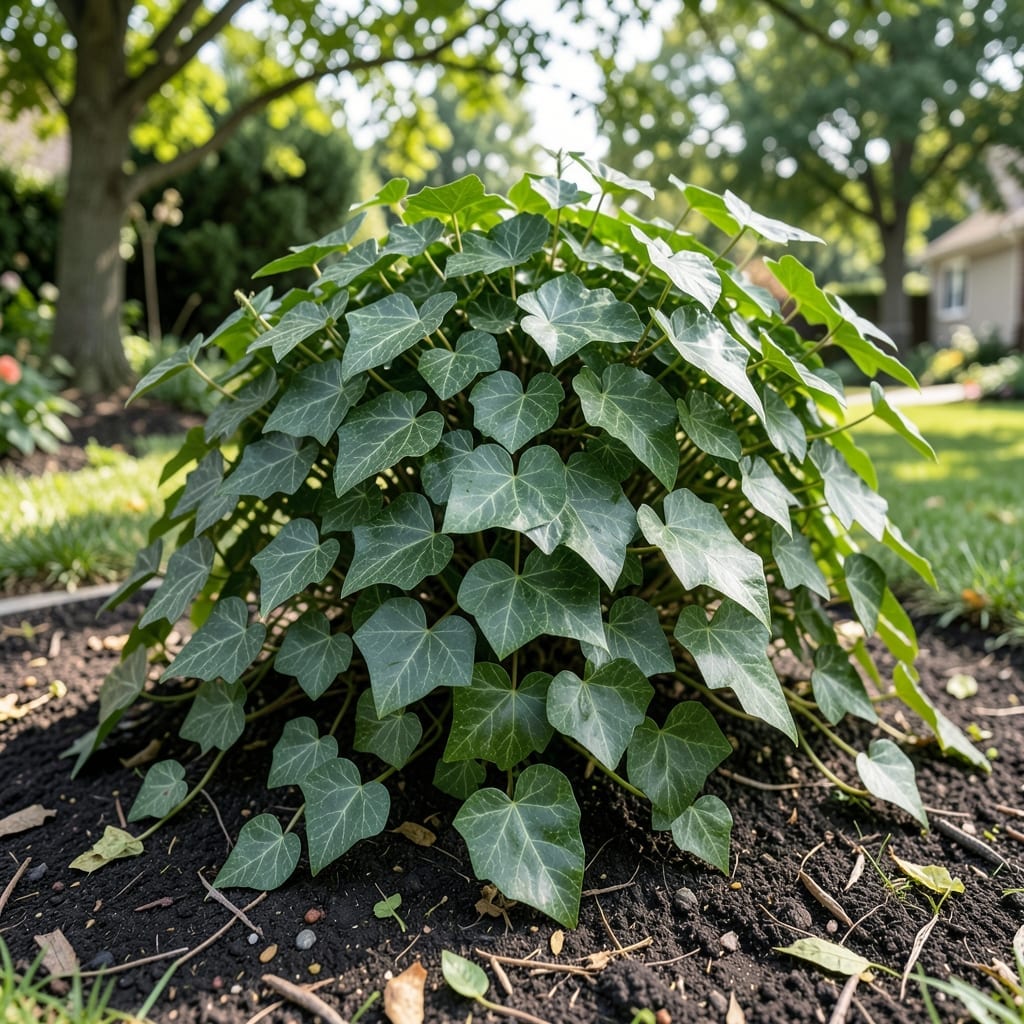
The Arabic name for ivy leaves is ‘ورق اللبلاب’ (Waraq al-Lablab). Ivy is known as ‘اللبلاب’ (Al-Lablab) in Arabic, commonly used in traditional medicine and gardening.
I find it fascinating how ivy holds a special place in Arabic botanical traditions. The plant’s climbing nature and evergreen leaves symbolize resilience in many cultures. In gardens across the Middle East, it’s often used as a natural decorative element, adding lush greenery to walls and trellises. Its historical uses extend beyond aesthetics, with references in ancient texts highlighting its medicinal value. ✨
This dual purpose as both ornament and remedy showcases its versatility. 💫
💡 In This Article
Ivy thrives in the Mediterranean climate that spans much of the Arab world. The plant’s Hedera helix species features glossy, 3-5 lobed leaves that grow in dense clusters. Its aerial roots allow it to cling to walls and trees, reaching heights of 30-50 feet when properly supported.
This climbing ability made it ideal for traditional courtyard gardens where vertical space was maximized. 🌿
The leaves maintain their deep green color year-round, a trait highly valued in arid regions. Arabic botanists like Ibn al-Baitar documented ivy’s resilience in his 13th-century works, noting its ability to grow in poor soil with minimal water. The waxy leaf surface reduces water loss, allowing it to survive the region’s hot, dry summers. ✨
What makes ivy unique is its growth pattern of alternating juvenile and mature phases. The juvenile form produces the familiar lobed leaves, while mature ivy develops oval leaves and produces small black berries. Arabic gardeners historically propagated the plant from stem cuttings, taking advantage of its vigorous growth habit. 💫
This adaptive plant also serves as a natural air purifier, with studies showing it can remove up to 90% of airborne mold particles. The dense foliage provides shade and cooling, reducing temperatures in traditional homes by up to 15°F during summer months. Arabic texts often reference ivy as a symbol of endurance and protection. 🔥
In traditional Arabic medicine, the leaves were valued for their astringent properties. The plant’s ability to grow in challenging conditions mirrored the cultural value placed on resilience and adaptation in the face of harsh environments. This symbolic meaning contributed to its widespread cultivation in both urban and rural settings. ⚡
In Arabic, ivy leaves are called ورق اللبلاب (Waraq al-Lablab). The plant itself is known as اللبلاب (Al-Lablab), a term used across the Arab world.
Ivy symbolizes endurance and protection in Arabic traditions, often planted near homes to ward off negative energy. Its evergreen nature represents eternal life in folklore.
Historical texts mention ivy leaves for their astringent properties, used in poultices for skin irritations. Ibn al-Baitar documented its medicinal value in 13th-century works.
Yes! Ivy thrives in the Mediterranean climate, tolerating poor soil and minimal water. Its waxy leaves reduce water loss, making it ideal for arid regions.
Plant stem cuttings in well-drained soil with partial shade. Water moderately until established, then reduce frequency to conserve water.