
Beautiful Plants For Your Interior
Beautiful Plants For Your Interior
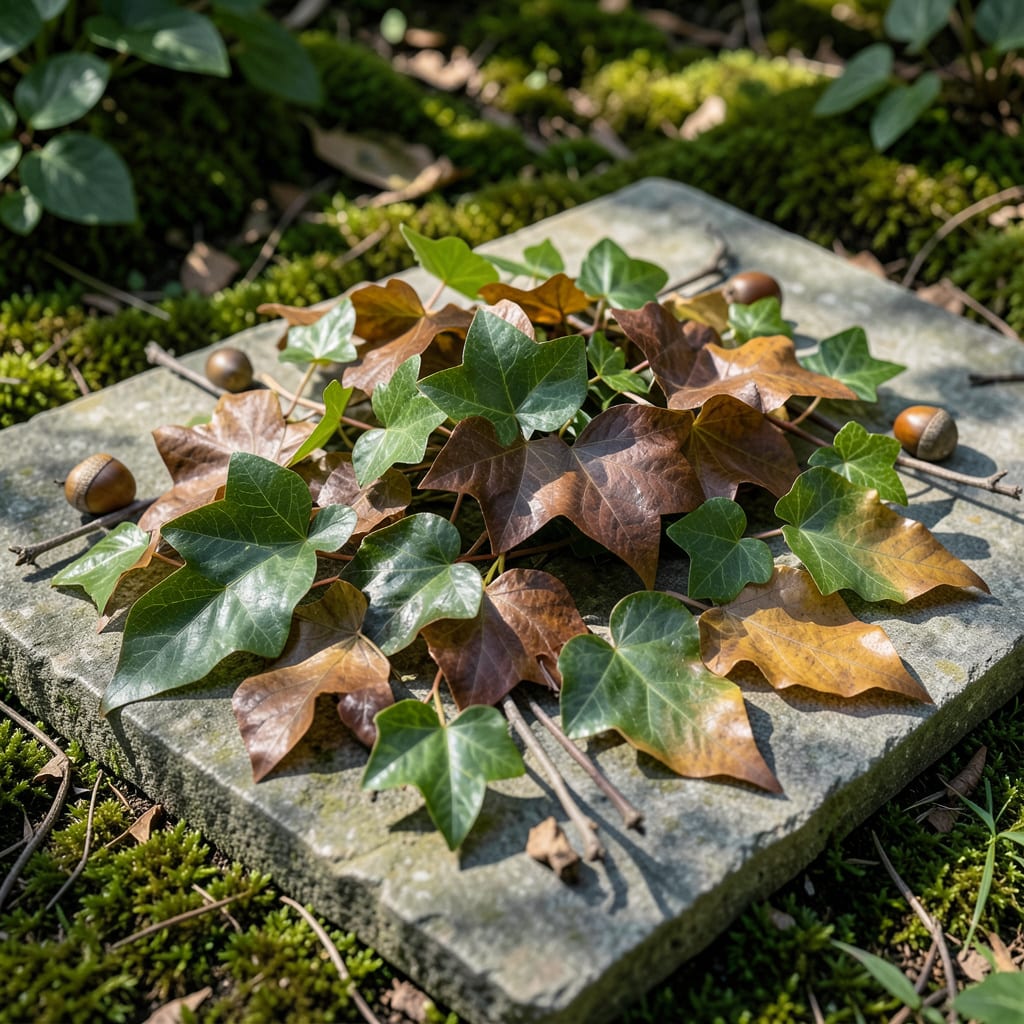
Brown ivy leaves hit me hard last summer. I’d nurtured that plant for years, only to watch its glossy green turn crispy and sad. Truth is, it’s usually not one big mistake but a combination of small things adding up.
Most often, it’s about water—either too much or too little—or the wrong kind of light. Ivy loves bright, indirect sunlight and soil that stays slightly moist but never soggy. Get either wrong, and those leaves start protesting.
Sometimes it’s nutrients. Yellowing first, then browning, usually means your ivy’s hungry. A balanced fertilizer every 4-6 weeks in growing season keeps it happy. Other times, pests or disease sneak in when the plant’s already stressed.
Here’s the thing—ivy’s tough. Fix the basics, and it bounces back faster than you’d expect. Let’s figure out what your plant’s trying to tell you.
When ivy leaves start turning brown, it’s usually a sign of stress from environmental or care-related factors. Here’s a breakdown of the most common causes, explained scientifically and actionably:
Ivy thrives in partial to full shade. When exposed to intense, direct sunlight—especially in hot climates—the leaves can suffer from photooxidative stress. Chlorophyll breaks down under excessive UV radiation, leading to brown, crispy edges or patches. This is the plant’s version of sunburn. Action: Move potted ivy to a shadier spot or use shade cloth for outdoor plants.
Inconsistent watering disrupts the plant’s osmotic balance. Underwatering causes leaf tips to brown and curl as cells die from dehydration. Overwatering, on the other hand, suffocates roots by depleting oxygen in the soil, leading to root rot and subsequent browning. Action: Check soil moisture 1-2 inches deep—water when dry, and ensure pots have drainage holes.
Brown leaves can signal a lack of essential micronutrients, particularly magnesium or potassium. Magnesium deficiency often appears as yellowing between leaf veins (interveinal chlorosis) followed by browning. Potassium deficiency causes scorched leaf edges. Action: Use a balanced, water-soluble fertilizer (e.g., 10-10-10) every 4-6 weeks during growing season.
Ivy prefers temperatures between 50–70°F (10–21°C). Exposure to frost or heatwaves damages cell membranes, causing leaves to turn brown or black. Cold drafts (e.g., near AC vents) can also trigger stress. Action: Keep indoor ivy away from drafts and outdoor ivy protected with mulch in winter.
Sap-sucking pests like spider mites or aphids drain nutrients from leaves, causing stippling, yellowing, and browning. Their feeding also introduces pathogens. Action: Inspect leaf undersides and treat with neem oil or insecticidal soap at first signs of infestation.
If your ivy’s leaves are turning brown, don’t panic—most causes are fixable with a few simple adjustments. Below are targeted solutions for the most common issues.
If the leaves are crispy and dry, your ivy may be getting too much direct sunlight. Move it to a spot with bright, indirect light—east-facing windowsills or a shaded patio work well. If it’s outdoors, use a sheer curtain or shade cloth to filter harsh rays.
Prevention tip: 💡 Rotate your ivy occasionally to ensure even light exposure and prevent stress.
For underwatering: Check the soil—if it’s bone dry, give it a deep soak until water drains from the bottom. Let the top inch dry out between waterings.
For overwatering: If the soil is soggy or smells musty, stop watering immediately. Repot the ivy in fresh, well-draining soil and ensure the container has drainage holes.
Prevention tip: 🌡️ Use a moisture meter or the finger test: only water when the top 1-2 inches of soil feel dry.
Yellowing or browning leaves with slow growth often signal a lack of nutrients. Feed your ivy with a balanced, water-soluble fertilizer (10-10-10 or 20-20-20) every 4-6 weeks during the growing season. For severe cases, consider a slow-release granular fertilizer.
Prevention tip: ✨ Dilute fertilizer to half-strength to avoid burning the roots.
Inspect the leaves and stems for pests like spider mites or mealybugs. Wipe leaves with a damp cloth or spray with insecticidal soap to remove them. For stubborn infestations, use neem oil or horticultural oil, following the product instructions.
Prevention tip: 🎯 Regularly mist your ivy to deter pests and keep the foliage clean.
Ivy thrives in 60-75°F (15-24°C). If it’s near a drafty window, heater, or AC unit, move it to a more stable environment. For low humidity, place a tray of water with pebbles near the plant or use a humidifier.
Prevention tip: 🌡️ Keep ivy away from vents or sudden temperature swings.
No, once leaves turn brown, they won’t recover. Remove them to help the plant focus on new growth.
Water when the top 1-2 inches of soil feel dry. Typically, this means watering every 5-7 days, but adjust based on humidity and light.
Not always. Underwatering, pests, or too much sun can also cause it. Check soil moisture and inspect leaves for pests before assuming the cause.
Misting can help if the air is dry, but it’s not a fix for underlying issues. Focus on consistent watering and proper light first.
