
Beautiful Plants For Your Interior
Beautiful Plants For Your Interior
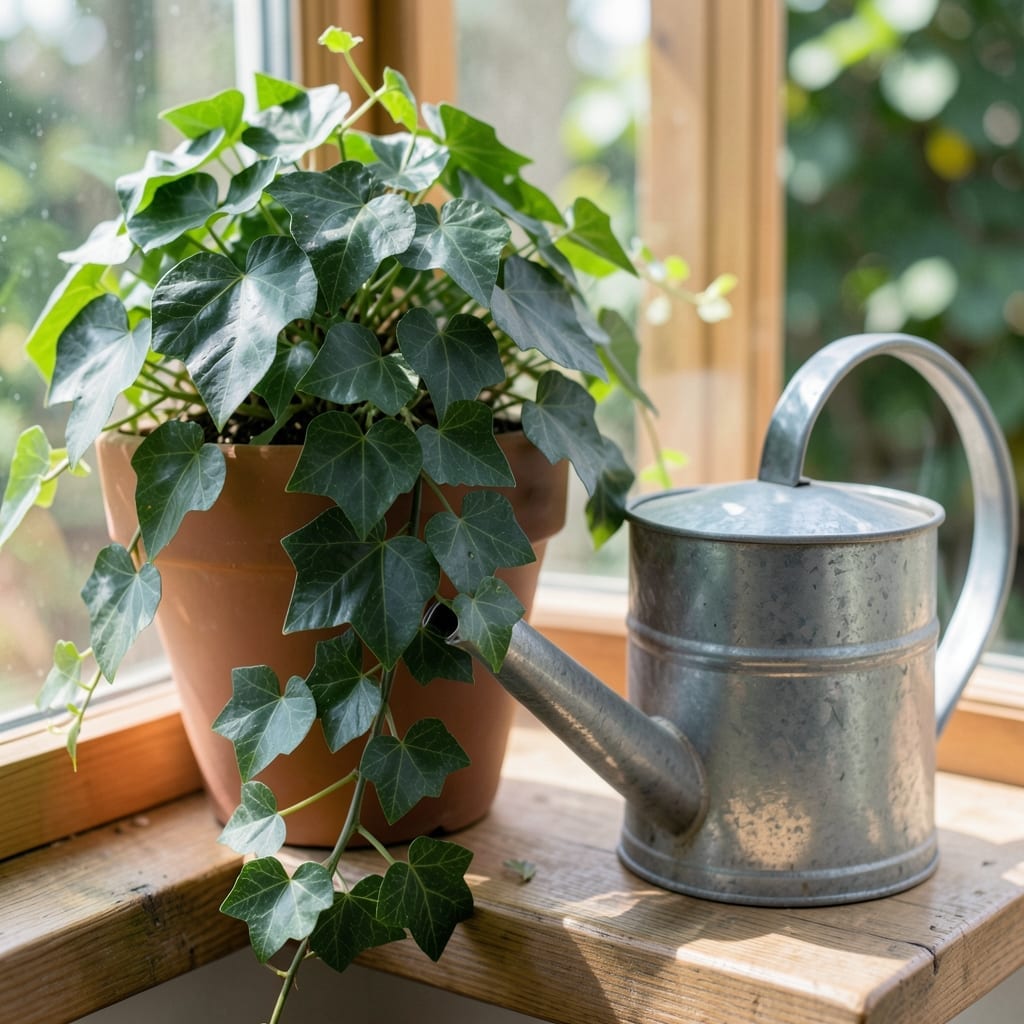
Overwatering or underwatering your indoor 🌿 Ivy can spell disaster for this resilient yet sensitive houseplant. I’ve seen too many gardeners struggle with wilting leaves or root rot.
Mastering the right watering schedule is the key to lush, thriving foliage year-round. Don’t let inconsistency hold your Ivy back from reaching its full potential.
Let me walk you through the best practices for keeping your Ivy perfectly hydrated—no guesswork involved.
Getting the watering frequency right for indoor ivy depends on the season. I’ve found that spring and summer demand more attention, while fall and winter require a lighter touch.
Ivy plants thrive with consistency, so adjusting your schedule to match seasonal changes is key. Overwatering in winter can lead to root rot, while underwatering in summer can cause crispy leaves. 🌿
| Season | Watering Frequency | Key Notes |
|---|---|---|
| Spring | Weekly | Active growth; keep soil evenly moist |
| Summer | 2x per week | High evaporation; check soil every 3-4 days |
| Fall | Weekly | Slowing growth; reduce if humidity is high |
| Winter | Bi-weekly | Dormant period; let soil dry slightly between waterings |
In spring, your ivy is entering its active growth phase. I recommend watering once a week, ensuring the soil stays evenly moist but never soggy.
When summer hits, the heat increases evaporation. I water my ivy twice a week, but I always check the soil first. If the top inch feels dry, it’s time to water.
Fall is transitional. Growth slows, so I scale back to weekly watering. If your home has high humidity, you might extend this to 10 days between waterings.
During winter, ivy enters dormancy. I switch to bi-weekly watering, allowing the soil to dry slightly. This prevents root rot in colder, less active months.
Remember, pot size matters. Smaller pots dry out faster, so I check my 6-inch pots every 5 days in summer. Larger pots can go longer between waterings.
If you’re unsure, use the finger test: stick your finger 1 inch into the soil. If it feels dry, it’s time to water. If it’s damp, wait a day or two. This simple trick has saved me from many overwatering mistakes. 🪴
Lastly, drainage is non-negotiable. Always use pots with drainage holes and a well-draining soil mix. This ensures excess water can escape, protecting your ivy’s roots.
Your indoor ivy plant will often tell you when it’s thirsty or drowning. I’ve learned to watch for subtle changes in my plants that signal watering needs before problems escalate.
These visual and tactile cues are your early warning system. Catching them quickly can mean the difference between a thriving plant and one that’s struggling to recover. 🌿
The finger test is my go-to for confirmation. I press my finger 1 inch into the soil – if it feels dry, it’s time to water. If it’s damp, I wait another day or two.
Drooping leaves are often the first sign I notice. They’ll look sad and limp, but the good news is they usually recover quickly after a good drink. I’ve seen my ivy bounce back within 2-3 hours of watering.
On the other hand, yellow leaves often mean I’ve been too generous with water. This is especially common in winter when the plant’s growth slows. I immediately check the roots for rot signs if I see this.
For crispy leaf edges, I know I’ve been neglecting my watering duties. This usually happens in summer when the plant needs more frequent drinks. I adjust my schedule and make sure the entire root ball gets moistened.
Remember, these signs often appear gradually. I make it a habit to inspect my ivy during each watering session, so I catch any issues early. 🪴