
Beautiful Plants For Your Interior
Beautiful Plants For Your Interior
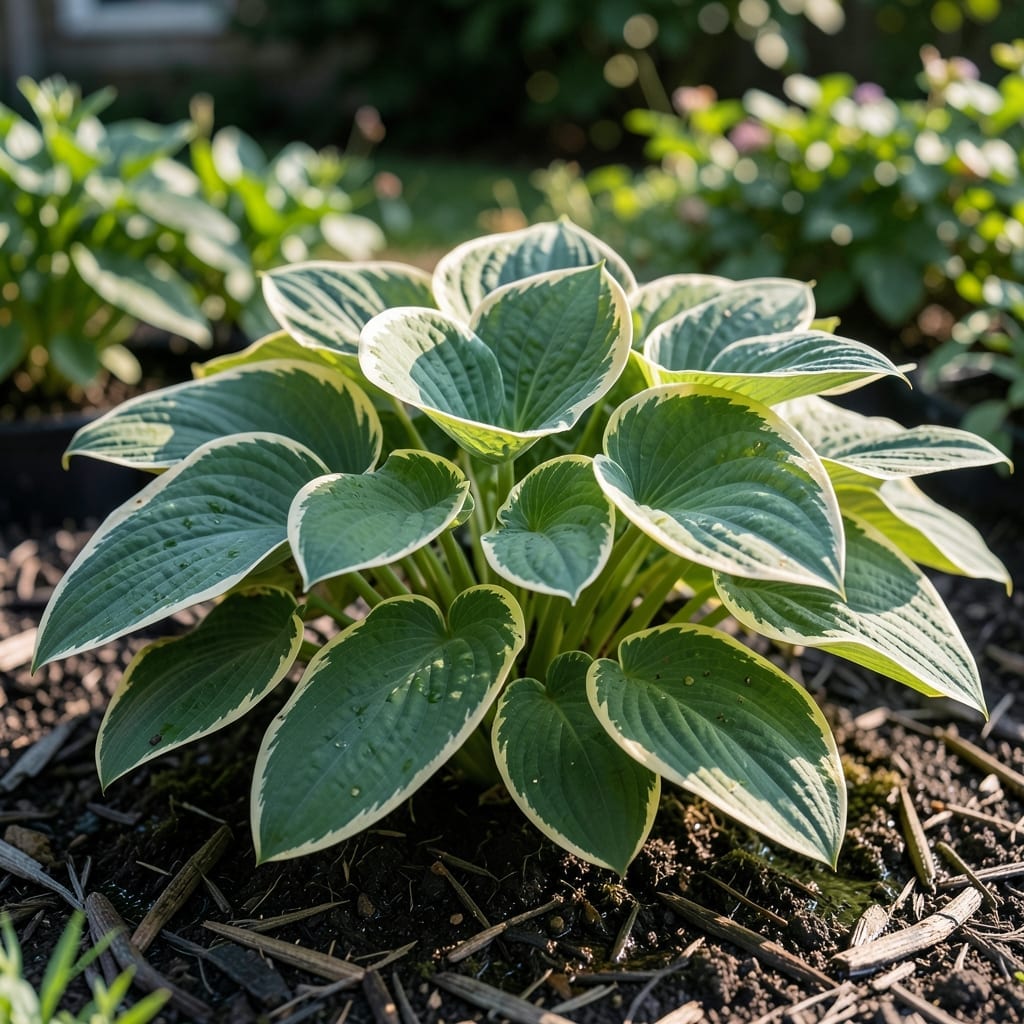
Struggling to find plants that thrive in those tricky shady spots? Partial shade areas can feel like a gardening challenge, but they’re actually perfect for certain ground covers.
I’ve discovered that the right plants can transform bare patches into lush, low-maintenance beauty. The 🌿 Hostas I grow in zone 6a are just one example of how these solutions work wonders.
Discover how to turn your problem areas into the most vibrant parts of your garden. Let me show you exactly which plants will flourish where others fail.
 Best Window Placement
Finding the perfect partial shade ground cover can feel overwhelming with so many options. I’ve tested dozens of varieties and found that perennials like hostas and ferns consistently outperform others in these conditions.
These plants thrive with 3-6 hours of sunlight, often morning sun with afternoon shade. They’re ideal for areas under trees or along north-facing walls where light is filtered.
| Variety | Sun Needs | Height | Spread | Key Feature |
|---|---|---|---|---|
| Hostas | 3-6 hours | 1-3 ft | 2-4 ft | Bold foliage |
| Ajuga | 4-6 hours | 6-9 in | 1-2 ft | Purple blooms |
| Pachysandra | 3-5 hours | 8-12 in | 1-2 ft | Evergreen |
| Creeping Thyme | 4-6 hours | 2-4 in | 1-2 ft | Fragrant foliage |
| Ferns | 2-4 hours | 1-3 ft | 1-3 ft | Lacy texture |
For colorful foliage, I recommend heuchera with its purple, silver, or lime-green leaves. It adds vibrant contrast to shady spots and pairs beautifully with hostas and ferns.
Ajuga is another favorite for its spreading habit and lovely blue flower spikes in spring. It’s incredibly low-maintenance and thrives in partial shade with minimal care.
If you need evergreen coverage, pachysandra is my top pick. It stays lush year-round and forms a dense mat that effectively suppresses weeds. Just plant it in well-draining soil.
For a fragrant option, creeping thyme releases a delightful scent when stepped on. It’s perfect for pathway borders and handles light foot traffic well.
Don’t overlook sweet woodruff for delicate white flowers and a sweet vanilla scent. It spreads quickly in shady areas and makes an excellent living mulch.
When choosing your partial shade ground cover, consider the mature size and growth rate. Faster spreaders like ajuga fill in quickly, while slower varieties like hostas offer long-term structure.
I always recommend mixing a few varieties for year-round interest. Combine spring bloomers with evergreen options to maintain visual appeal through all seasons 🌿
Planting partial shade ground cover starts with proper soil prep. I always begin by removing weeds and loosening the soil to 12 inches deep. Adding compost improves drainage and fertility.
For best results, plant in spring or early fall when temperatures are mild. This gives roots time to establish before extreme heat or cold. Space plants according to their mature spread to avoid overcrowding.
Water newly planted ground covers deeply once a week for the first month. After establishment, most partial shade plants need about 1 inch of water per week, including rainfall.
I find that morning watering works best to prevent fungal diseases. Use a soaker hose or drip irrigation to keep foliage dry. This is especially important for ferns and hostas.
Maintenance is minimal but important. Remove any dead or damaged foliage in early spring. For spreading varieties like ajuga, trim back excess growth to keep them in bounds.
A light application of balanced fertilizer in spring helps most ground covers thrive. I use a 10-10-10 formula at half strength for my pachysandra and heuchera.
With proper care, your partial shade ground cover will form a lush carpet that reduces weeds and adds beauty to your garden for years to come 🌿