
Beautiful Plants For Your Interior
Beautiful Plants For Your Interior
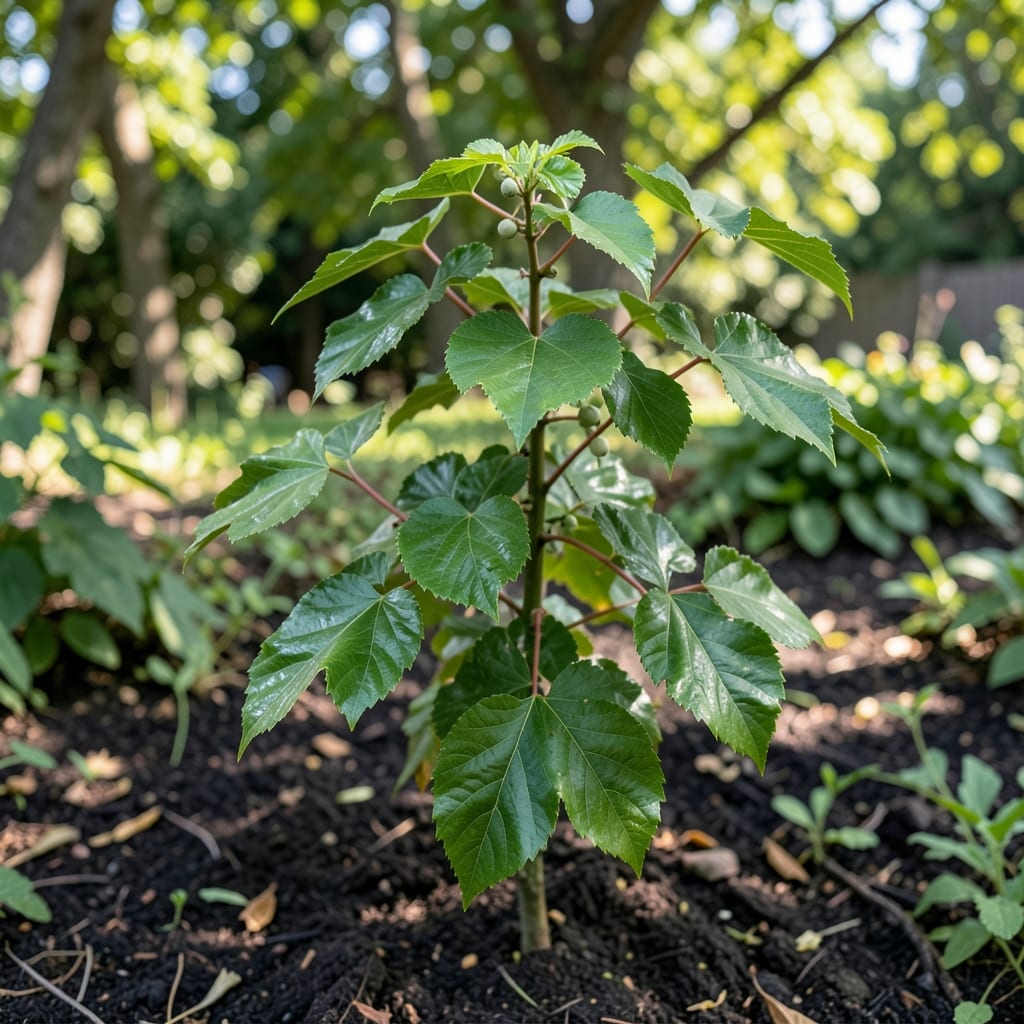
Poison ivy always has three pointed leaflets per stem, arranged in a cluster. The middle leaflet often has a longer stem. Five-leaf arrangements belong to other plants like Virginia creeper.
I’ve learned the three-leaf pattern is the golden rule for spotting this plant. The arrangement is so consistent that even in different seasons, you’ll see this signature grouping. Virginia creeper, for example, has five leaflets that can look similar at first glance, but the extra pair is a dead giveaway. 🌿
Always double-check the stem and leaflet attachment to be sure.
💡 In This Article
The three-leaf structure isn’t random—it’s a botanical trait called a trifoliate arrangement. This pattern maximizes sunlight exposure while conserving energy, an evolutionary advantage for poison ivy as it competes in dense woodlands. Each leaflet grows from a single point on the stem, with the center one often extending further out than its companions.
In spring, the leaves emerge with a reddish tint, turning vibrant green in summer, then transforming to yellow, orange, or red in fall. The stem between leaflets (the rachis) is typically 1-4 inches long, with the terminal leaflet’s stem being noticeably longer. This creates an uneven, almost staircase-like appearance that’s distinctive even from a distance.
🌿
Poison ivy grows in two primary forms: as a trailing vine or a woody shrub. When climbing trees, it develops hairy, rope-like aerial roots that help it cling to bark. As a shrub, it can reach 3-4 feet tall, with thicker, more woody stems. Both forms maintain the three-leaf pattern consistently.
What most people overlook is the leaflet edges. Poison ivy leaves can be smooth or toothed, but always have a slightly wavy or lobed appearance. The surface may appear shiny or dull depending on the variety and sunlight exposure. This variability is why the three-leaf cluster remains the most reliable identifier.
The plant’s growth pattern also changes with its environment. In open fields, it tends to spread horizontally as a ground cover, while in forests it climbs vertically. Yet regardless of its growth habit, the leaf arrangement stays remarkably consistent—one of nature’s most dependable warning signs. ⚡
The three-leaf pattern is a botanical trait called a trifoliate arrangement. This design helps the plant maximize sunlight exposure while conserving energy in dense woodlands.
Virginia creeper and Boston ivy both have five leaflets and are commonly mistaken for poison ivy. Virginia creeper has jagged edges, while Boston ivy has deeply lobed leaves and climbs with adhesive pads.
Yes, poison ivy leaves emerge reddish in spring, turn vibrant green in summer, and transform to yellow, orange, or red in fall. The color changes, but the three-leaf pattern stays consistent.
Look for three pointed leaflets in a cluster, with the middle one often on a longer stem. If you see five leaflets, it’s not poison ivy. When in doubt, use the mantra: “Leaves of three, let it be.”