
Beautiful Plants For Your Interior
Beautiful Plants For Your Interior
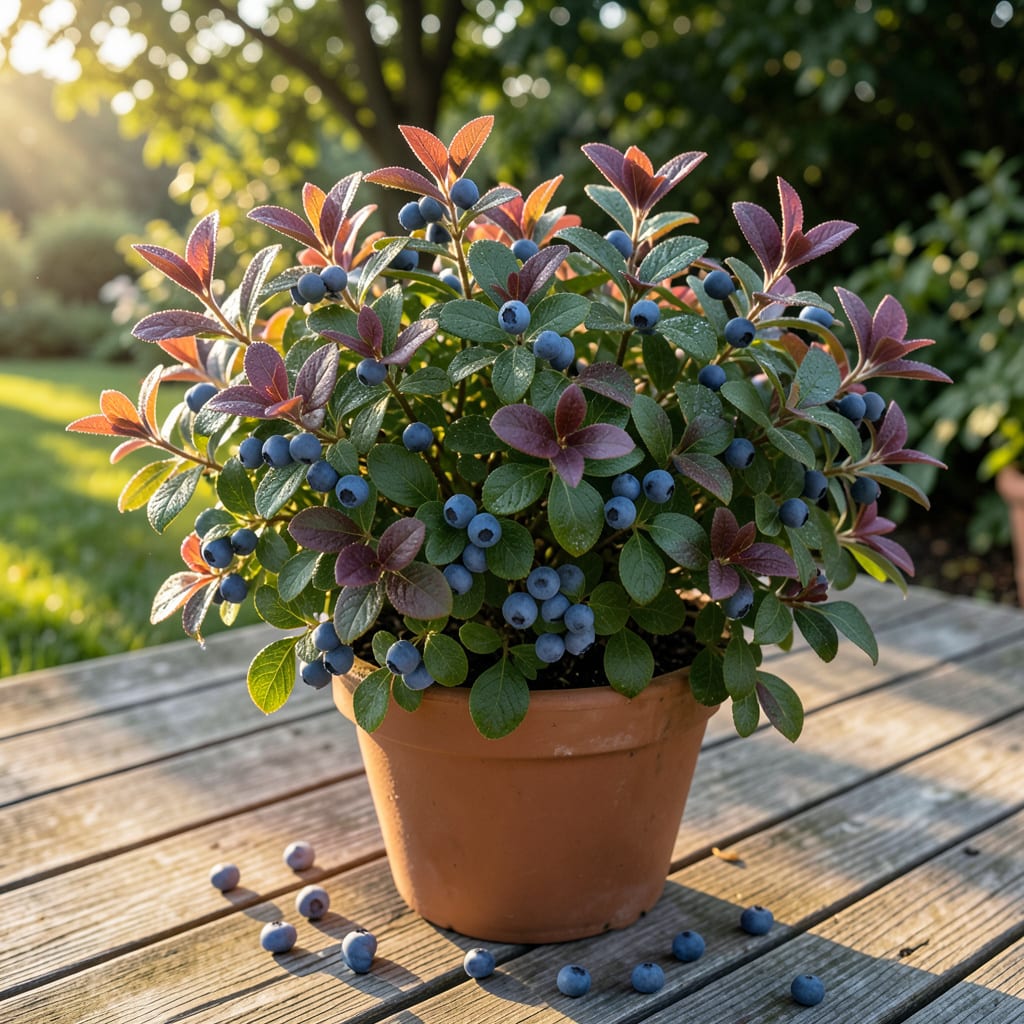
Red leaves on blueberry bushes always signal trouble. I’ve seen this enough times to know it’s usually a soil pH problem or iron deficiency showing up first in the newest growth.
Here’s the thing—blueberries need acidic soil (pH 4.5-5.5) to absorb iron properly. When the pH drifts higher, iron locks up in the soil even if it’s present, causing those telltale reddish leaves.
You’ll notice the veins stay green while the tissue between turns red or yellow. Left unchecked, this stunts growth and kills branches. The good news? It’s fixable with the right soil amendments.
Test your soil first, then adjust accordingly. This isn’t complicated, just precise.
Reddish leaves on your blueberry bush are a clear signal that something is amiss. Here are the most common causes, explained simply:
Blueberries thrive in acidic soil (pH 4.5–5.5). When the pH rises above 5.5, the bush struggles to absorb iron and other essential nutrients, leading to interveinal chlorosis—yellowing between leaf veins—often accompanied by reddish or purplish hues. Test your soil with a kit; if it’s too alkaline, amend with sulfur or pine needles to lower pH.
Even in acidic soil, iron can become unavailable if the pH fluctuates or organic matter is low. Iron is critical for chlorophyll production. Without it, leaves turn yellow or red, especially on newer growth. Fix this by applying chelated iron (EDDHA form works best) or an iron sulfate soil drench. Avoid overwatering, which can worsen the issue.
Sudden temperature drops, especially in early spring or late fall, can cause anthocyanin (a red pigment) to accumulate in leaves as a protective response. This is temporary but weakens the plant. Shield bushes with frost cloth or mulch heavily with straw to insulate roots.
Diseases like Phomopsis or Botrytis can trigger reddish spots or margins on leaves. These thrive in wet, poorly ventilated conditions. Prune affected branches, improve airflow, and apply copper fungicide preventatively in early spring.
Pro tip: 💡 Always sterilize pruning tools with rubbing alcohol to avoid spreading pathogens.
If your blueberry bush has reddish leaves, the issue is usually fixable with a few targeted adjustments. Below are the most common causes and their practical solutions, plus prevention tips to keep your bush thriving.
Fix: Test your soil pH (aim for 4.5–5.5). If it’s too high, amend the soil with elemental sulfur (follow package instructions) or mix in peat moss. For a quick boost, use a liquid sulfur drench.
Prevention: Retest pH annually. Use acidic fertilizers (like those for azaleas) and avoid lime or wood ash near blueberries.
Fix: Apply chelated iron (look for “iron EDTA”) as a foliar spray or soil drench. If pH is off, correct it first—iron uptake improves in acidic soil.
Prevention: Mulch with pine needles or oak leaves to maintain acidity. Avoid overwatering, which can reduce iron availability.
Fix: Ensure consistent moisture—blueberries need 1–2 inches of water per week. Use a moisture meter to check soil depth. If roots are soggy, improve drainage with compost or sand.
Prevention: Mulch with 2–4 inches of wood chips to retain moisture and prevent extremes. Water deeply but less frequently.
Fix: Shield bushes from late frosts with frost cloth. In extreme heat, provide afternoon shade and mulch to cool roots.
Prevention: Plant in a sheltered spot and choose cold-hardy varieties for your zone. Use shade netting in scorching summers.
💡 Pro Tip: Always test soil before treating—red leaves can mimic multiple issues, and misdiagnosis wastes time!
No, healthy new leaves should be green. Reddish leaves usually indicate stress like iron deficiency or pH imbalance. Test your soil first to confirm the issue.
With proper amendments like sulfur or chelated iron, new growth should appear green within 2-4 weeks. Existing red leaves may not recover fully.
Yes, too much fertilizer raises soil pH, locking out iron. Use acidic formulations and follow package rates carefully. Avoid lime-based products entirely.
Pine needles slowly acidify soil as they break down. Apply a 2-3 inch layer annually to maintain ideal pH levels.
