
Beautiful Plants For Your Interior
Beautiful Plants For Your Interior
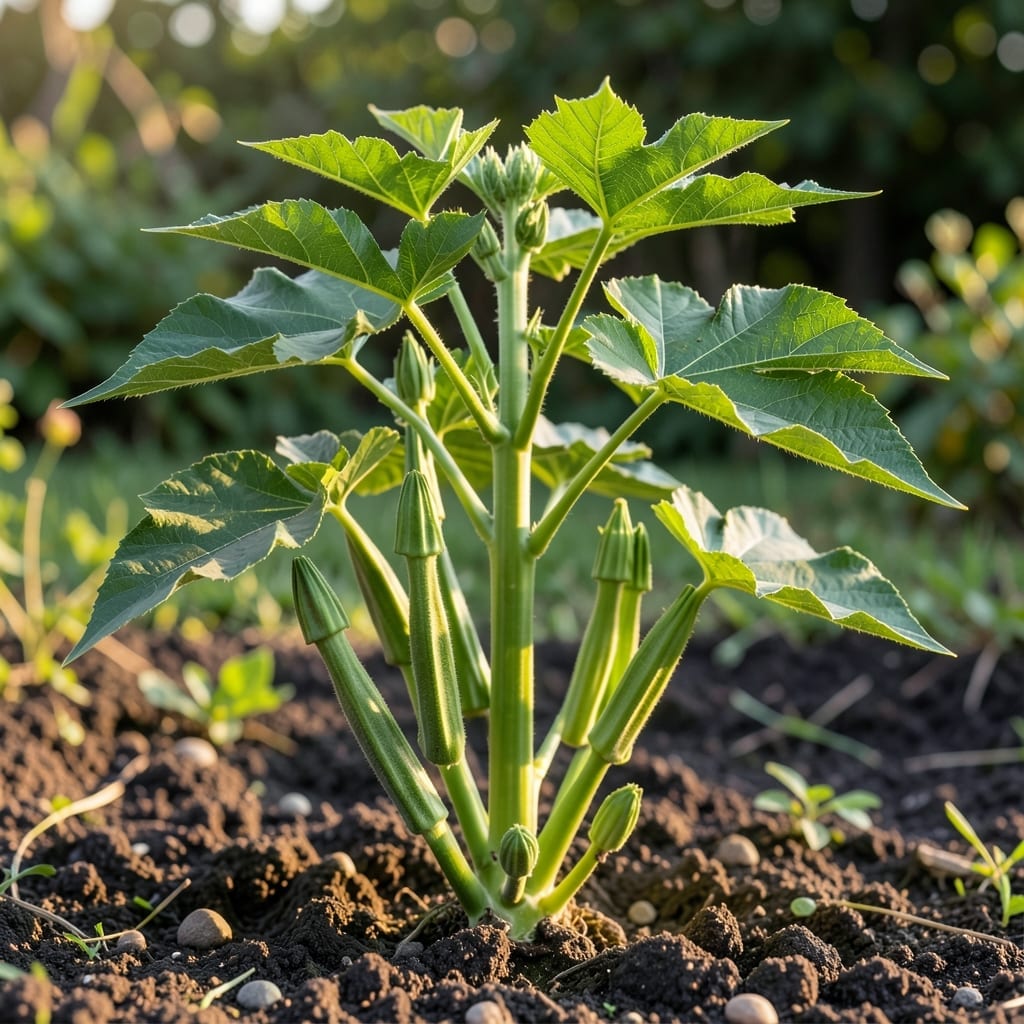
Okra leaves are rich in vitamins A, C, and K, along with minerals like calcium and iron. They offer antioxidant properties, support immune function, and may help regulate blood sugar levels.
I’ve found these greens particularly valuable for their high fiber content, which aids digestion and promotes gut health. Traditional medicine often uses them in teas to soothe inflammation, and their low calorie count makes them great for weight management. The leaves also contain flavonoids that combat oxidative stress in the body. ✨
💡 In This Article
Okra leaves pack a dense nutritional profile per 100g serving, delivering approximately 33 calories, 7g of carbohydrates, and 2g of fiber. They are exceptionally high in vitamin K, providing about 80mcg—nearly 70% of the daily value—which is crucial for blood clotting and bone metabolism. 🔥
For antioxidants, okra leaves contain notable levels of quercetin and kaempferol, flavonoids that neutralize free radicals. These compounds are measured at roughly 15-20mg per 100g, offering protection against cellular damage. The vitamin C content, around 21mg, supports collagen production and immune defense. ✨
The mineral content is equally impressive. Calcium levels reach about 213mg per 100g, while iron sits at 2.7mg. Magnesium (92mg) and potassium (299mg) further contribute to muscle function and electrolyte balance. These minerals work synergistically to support metabolic processes. 💫
What sets okra leaves apart is their low oxalate content compared to spinach, making their calcium and iron more bioavailable. The leaves also contain folate (88mcg), essential for DNA synthesis and red blood cell production. This combination makes them a powerhouse for maintaining energy levels and overall vitality. ⚡
The high chlorophyll content in okra leaves, visible in their deep green hue, aids in detoxification by binding to heavy metals. Studies show that consuming leafy greens like okra can enhance the body’s natural cleansing processes, particularly in the liver and digestive tract. 🌟
Yes, young tender leaves can be eaten raw in salads. Ensure they’re thoroughly washed and free from pesticides. Older leaves may be tough or bitter, so cooking is recommended.
Okra leaves have more calcium and vitamin K than spinach, with less oxalate content. They provide similar iron levels but offer unique antioxidants like quercetin not as prominent in spinach.
Studies suggest okra leaves may help regulate blood sugar due to their fiber and polygon compounds. However, they shouldn’t replace medical treatment—consult your doctor for personalized advice.
Wrap unwashed leaves in a damp paper towel, place in a sealed bag, and refrigerate. They’ll stay fresh for 3-4 days. For longer storage, blanch and freeze or dry completely.