
Beautiful Plants For Your Interior
Beautiful Plants For Your Interior
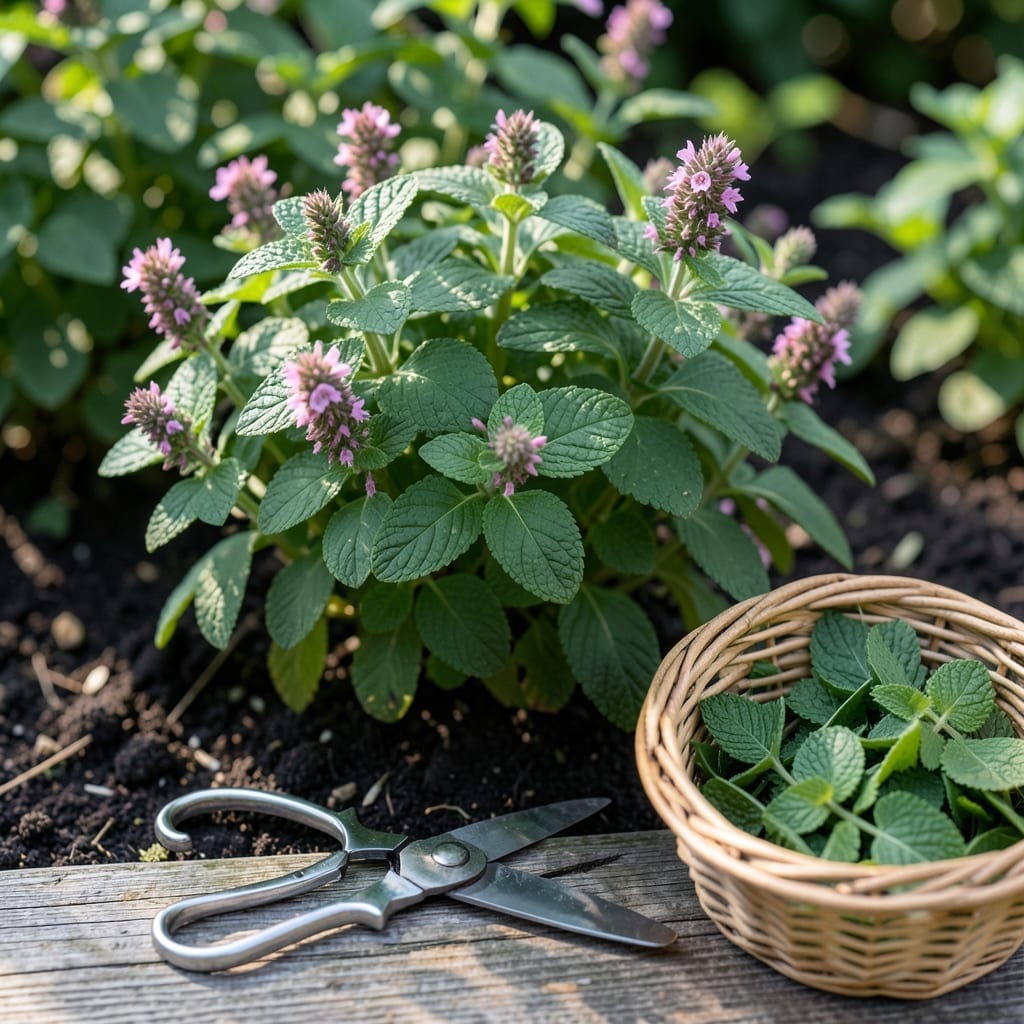
Peppermint leaves are used for digestive relief, headache treatment, and respiratory support. They also add flavor to teas, desserts, and aromatherapy blends due to their cooling menthol content.
I love how versatile these leaves are beyond just flavor. The menthol acts as a natural muscle relaxant, which is why it soothes upset stomachs and eases tension headaches so effectively. 💫 For respiratory issues, the same compound helps clear congestion by breaking up mucus. Many traditional medicine systems have used it for centuries to address everything from nausea to seasonal allergies.
💡 In This Article
The active compound menthol in peppermint triggers a cooling sensation by activating TRPM8 receptors in your skin and mucous membranes. This same mechanism relaxes smooth muscles in your digestive tract, providing relief from cramps and bloating. Studies show peppermint oil can reduce IBS symptoms by up to 40% compared to placebos. ✨
Peppermint’s antispasmodic properties come from its ability to block calcium channels in muscle cells. This prevents the uncontrolled contractions that cause digestive discomfort. The leaves also contain rosmarinic acid, a compound with antiviral and antibacterial effects that may help fight harmful pathogens in your gut. 💛
For respiratory issues, menthol acts as a natural decongestant by thinning mucus and relaxing bronchial muscles. This makes it particularly effective for colds, allergies, and sinus infections. Inhaling peppermint steam can provide almost immediate relief from nasal congestion. 🌟
Historically, ancient Egyptians used peppermint as a digestive aid and currency. Greek and Roman physicians recommended it for indigestion and headaches. Modern research confirms these traditional uses, with clinical trials demonstrating its effectiveness for tension headaches and migraine relief. ⚡
The antimicrobial properties extend beyond digestion. Peppermint oil has been shown to inhibit the growth of common foodborne pathogens like E. coli and Listeria. This makes it a valuable natural preservative in some traditional food preparation methods. 🔥
Yes! Use 1 tablespoon of fresh chopped leaves per 1 cup of hot water. Steep for 5-7 minutes for best flavor. Avoid boiling the leaves to preserve delicate oils.
Stored in an airtight container away from light, dried leaves retain potency for 1-2 years. Check for fading color or weak aroma as signs they’re past their prime.
In large amounts, peppermint may cause heartburn or allergic reactions in sensitive individuals. Children under 5 years should avoid menthol products. Always test a small amount first.
Place pots in bright, indirect light and keep soil moist. Harvest leaves once plants reach 6 inches tall for continuous growth.