
Beautiful Plants For Your Interior
Beautiful Plants For Your Interior
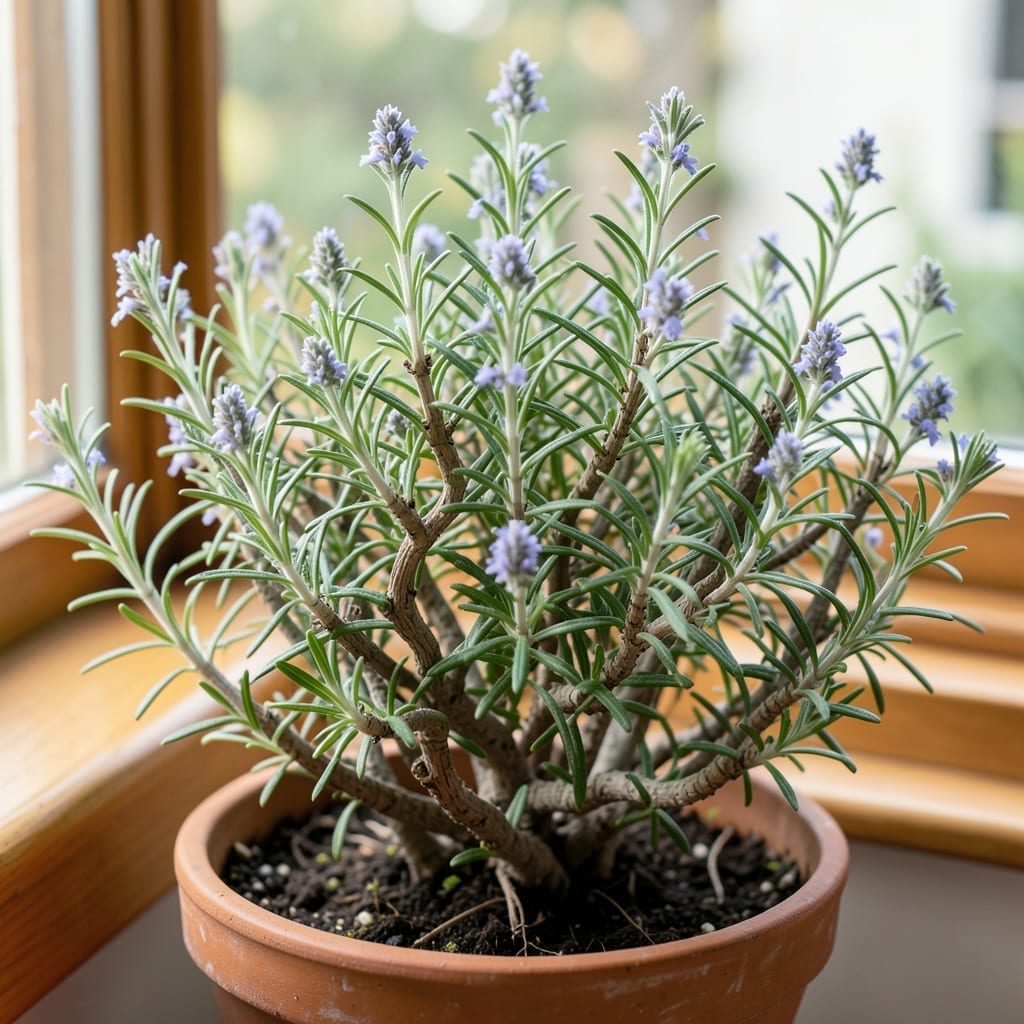
The Spanish term for rosemary leaves is ‘hojas de romero’. This aromatic herb is widely used in Spanish cuisine and traditional remedies.
I love how romero carries deep roots in Spanish culture beyond just cooking. It often symbolizes remembrance and fidelity, frequently appearing in weddings and memorials. 💫 In the kitchen, it transforms simple dishes like roasted lamb or potatoes into aromatic masterpieces, while its medicinal properties have been trusted for centuries to ease digestion and boost memory.
💡 In This Article
In Spain, romero isn’t just an herb—it’s a symbol woven into history. Ancient Greeks and Romans used it in rituals, believing it improved memory and warded off evil spirits. This tradition carried into Spanish folklore, where brides wore romero crowns to signify fidelity, and students placed sprigs under their pillows to aid exam recall. ✨
The herb’s resilience mirrors its cultural role. Thriving in Spain’s arid regions, romero became a metaphor for endurance. During festivals like La Noche de San Juan, people burn bundles to purify spaces, a practice dating back to pre-Christian times. Its pine-like fragrance was thought to cleanse both body and spirit. 🔥
Spanish literature often references romero as a metaphor for remembrance. Federico García Lorca’s poetry uses it to symbolize lost love, while traditional flamenco songs mention it in lyrics about longing. The plant’s evergreen nature made it a natural emblem for eternal memory, a theme still present in modern Spanish weddings. 💫
In religious contexts, romero appears in Holy Week processions. The Virgin Mary is sometimes depicted with a romero branch, linking the herb to divine protection. This sacred association extends to pilgrimages, where travelers carry sprigs for safe journeys, a custom still observed on the Camino de Santiago. ⚡
Medicinally, Spanish grandmothers have long used hojas de romero infusions to treat headaches and digestive issues. Modern studies confirm its antioxidants and anti-inflammatory properties, validating centuries of traditional use. The herb’s versatility—culinary, medicinal, spiritual—cemented its place in Spanish identity. 🌟
The most accurate translation is hojas de romero, where “hojas” means leaves and “romero” is rosemary. This is the term you’ll find in Spanish recipes and herbal guides.
While romero is universally understood, some areas call it “rosmarino” or “romerillo” for younger plants. In Catalan-speaking regions, it’s known as “romaní”.
Fresh or dried hojas de romero flavor meats, especially lamb and pork, as well as potatoes and breads. It’s a staple in sofrito and often infused in olive oil.
Yes, but use 1/3 the amount since dried is more concentrated. For example, replace 1 tablespoon fresh with 1 teaspoon dried. Always crush dried leaves to release more flavor.