
Beautiful Plants For Your Interior
Beautiful Plants For Your Interior
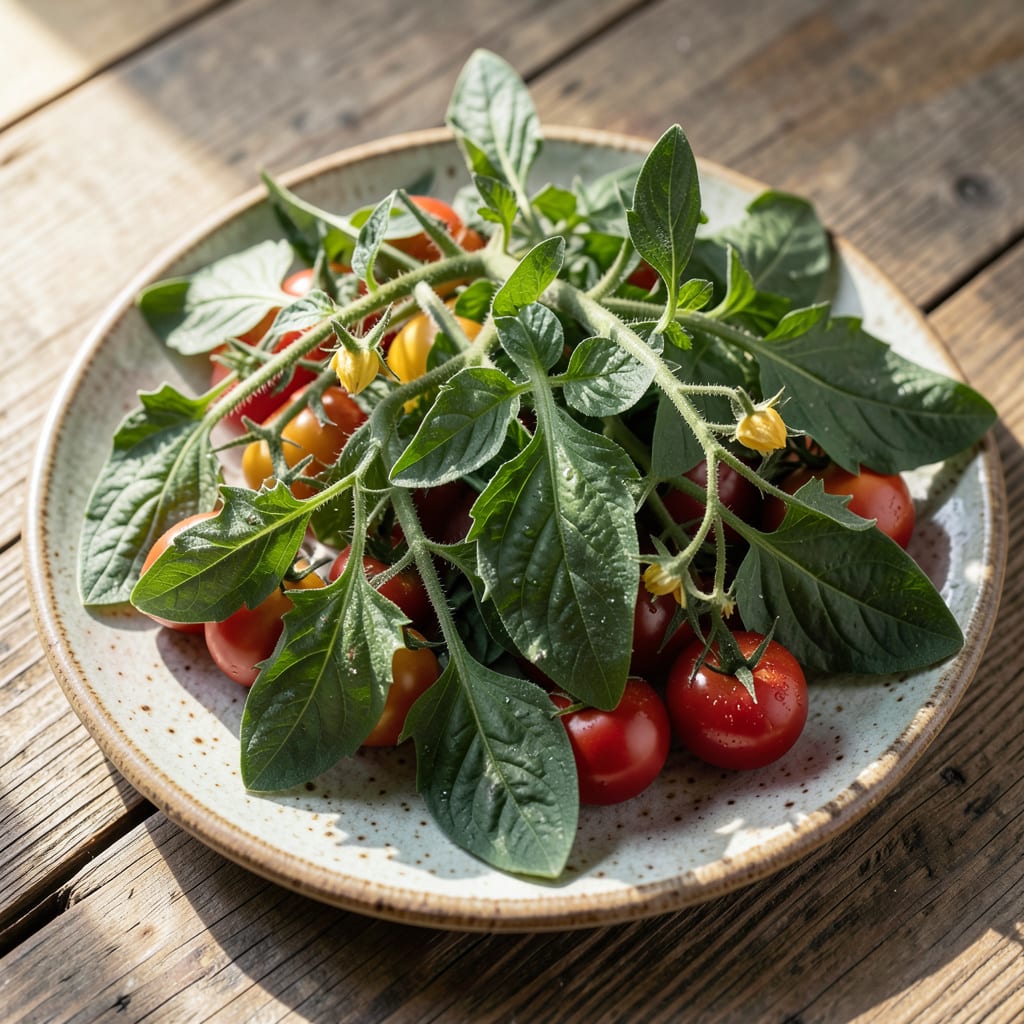
Your tomatoes just sent you an SOS. Upside-down leaves aren’t just weird—they’re your plant’s way of screaming for help before things get worse.
I’ve seen this happen with overwatering, under-watering, and even when aphids throw a party on the undersides. The fix starts with checking the obvious: soil moisture, leaf undersides, and recent weather swings.
Catch it early and you can reverse the damage in 24-48 hours. Ignore it and you’re looking at stunted growth, dropped fruit, or a plant that gives up entirely.
Here’s how to play plant detective and nurse those leaves back to their rightful position—fast.
Tomato leaves turning upside down often signal stress or environmental imbalances. Below are the most common causes, explained scientifically for clarity and actionable solutions.
When temperatures exceed 90°F (32°C), tomato plants enter survival mode. Leaves curl or flip upside down to reduce surface area and minimize water loss through transpiration. The plant’s cells lose turgor pressure, causing physical distortion. Shade cloth or afternoon watering can mitigate this.
Both overwatering and underwatering disrupt root function. Overwatering suffocates roots, preventing oxygen uptake, while drought stresses the vascular system. In both cases, leaves react by inverting to conserve moisture or redirect nutrients. Check soil moisture 2 inches deep—it should be damp but not soggy.
A lack of magnesium or calcium triggers leaf deformities. Magnesium deficiency (often seen in sandy soils) causes interveinal chlorosis before leaves twist. Calcium shortages (common in fluctuating soil moisture) lead to blossom end rot alongside leaf curling. A balanced fertilizer or Epsom salt spray (for magnesium) can correct this.
Aphids, whiteflies, or spider mites suck sap from leaves, causing turgor loss and physical distortion. These pests also introduce toxins that disrupt cell function. Inspect leaf undersides for tiny insects or webbing. Neem oil or insecticidal soap applied weekly can control infestations.
Viruses like Tomato Yellow Leaf Curl Virus (TYLCV) force leaves to curl upward or invert as the plant’s vascular system clogs. Transmitted by whiteflies, this virus stunts growth and reduces yield. Remove infected plants immediately and use reflective mulches to deter whiteflies.
Addressing tomato leaves turning upside down starts with pinpointing the cause. Here’s a clear, actionable guide to nurse your plants back to health.
If high temperatures or dry soil are to blame, water deeply at the base in the early morning or late evening to reduce evaporation. Mulch around the plants with straw or wood chips to retain moisture. For extreme heat, provide shade cloth during peak sunlight hours. Prevention tip: 💡 Consistently check soil moisture—tomatoes need 1–2 inches of water per week.
Soggy roots can cause leaves to droop and flip. Stop watering immediately and let the soil dry slightly. If the pot lacks drainage, repot into a container with holes. For garden beds, amend heavy clay soil with compost or sand. Prevention tip: ✨ Use a moisture meter to avoid guesswork.
Check undersides of leaves for aphids, whiteflies, or spider mites. Blast them off with a strong stream of water or apply neem oil or insecticidal soap. For severe cases, introduce beneficial insects like ladybugs. Prevention tip: 🎯 Inspect plants weekly and remove weeds that harbor pests.
For diseases like early blight, remove affected leaves and avoid overhead watering. Apply a copper-based fungicide as directed. Rotate crops yearly to prevent recurrence. Prevention tip: 🌱 Space plants properly for airflow and water at the soil level.
Yellowing or curling leaves may signal a lack of magnesium or calcium. Add Epsom salt (1 tbsp/gallon of water) for magnesium or crushed eggshells for calcium. A balanced fertilizer can also restore nutrient levels. Prevention tip: 📊 Test soil annually and amend as needed.
Check soil 2 inches deep. If bone dry, underwatering is likely. If soggy, you’re overdoing it. Both cause leaf inversion but require opposite fixes.
With proper fixes, leaves often return to normal in 24-48 hours. Severe cases or viral infections may take longer or require plant removal.
Yes! Aphids, whiteflies, and spider mites suck sap, causing turgor loss. Inspect leaf undersides and treat with neem oil if found.
Use 30-50% shade cloth during peak sunlight to reduce stress. Pair with consistent watering for best results.
