
Beautiful Plants For Your Interior
Beautiful Plants For Your Interior
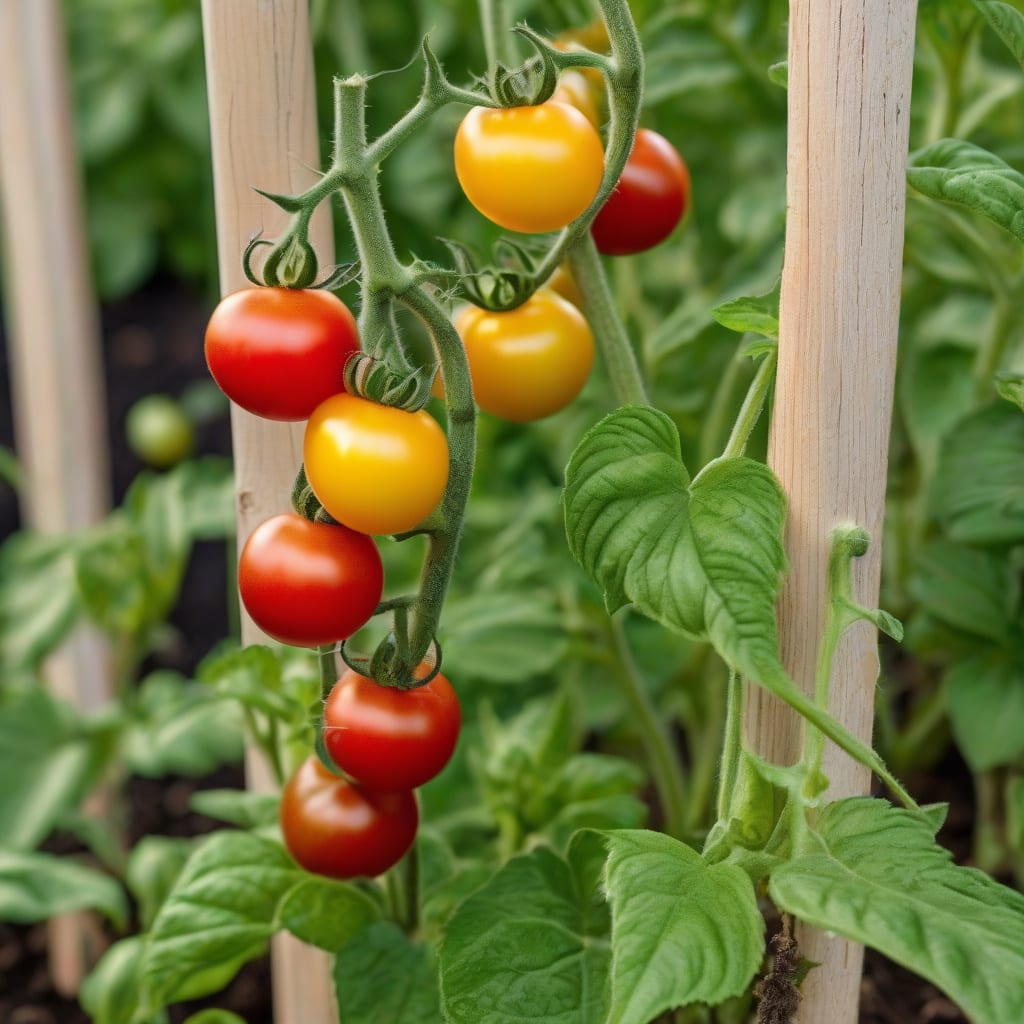
As I tend to my Tomato 🍅 plants in USDA Zone 6, I often wonder: how tall should I let them grow? The height of your Tomato plants can significantly impact your harvest, and getting it right is crucial for a bountiful yield.
Let’s explore the factors that determine the ideal height for your Tomato plants and provide you with practical tips on pruning and training to achieve maximum yield.

The ideal height for tomato plants varies depending on the variety and growing conditions. Generally, determinate tomatoes grow to be around 2-3 feet tall, while indeterminate tomatoes can reach heights of 6-10 feet or more.
Understanding the optimal height range for your tomato plants is crucial for maximizing fruit production. Factors such as pruning, support systems, and nutrient management all play a role in determining the ideal height for your plants.
When growing determinate tomatoes, it’s essential to provide support to keep the plants upright and encourage even fruiting. For indeterminate tomatoes, a more extensive support system is necessary to manage their vigorous growth.
Pruning plays a critical role in controlling the height of tomato plants. By removing lower leaves and weak growth, you can direct the plant’s energy towards fruiting and maintain a manageable height.
The support system you choose will also impact the height of your tomato plants. Options include tomato cages, trellises, and stakes, each offering varying levels of support and structure.
Nutrient management is another crucial factor in determining the ideal height for tomato plants. A balanced fertilizer applied regularly will promote healthy growth and fruit production.
By understanding these factors and implementing proper pruning and support techniques, you can optimize the height of your tomato plants for maximum yield.
For indeterminate varieties, topping the plant at 6-8 feet can help control height while still allowing for significant fruit production.
It’s also important to consider the growing conditions and adjust your pruning and support strategies accordingly. For example, plants grown in containers may require more frequent pruning to maintain a compact shape.
By following these guidelines and tailoring your approach to your specific tomato variety and growing conditions, you can achieve a bountiful harvest and enjoy a successful growing season 🌼.
Regular monitoring of your plants’ height and adjusting your strategies as needed will help you strike the perfect balance between growth and fruit production.
The height of your tomato plants is influenced by several key factors that ultimately affect their yield. Understanding these elements is crucial for optimizing your harvest.
Pruning techniques, support systems, and nutrient management are critical components that impact both plant height and overall productivity.
Proper pruning and support can significantly improve tomato yield by optimizing plant height and structure.
When it comes to pruning, removing lower leaves and weak growth helps direct the plant’s energy towards fruiting. This technique not only controls height but also promotes healthier growth.
The choice of support system is equally important. Options like tomato cages, trellises, and stakes offer varying levels of support, allowing you to manage vigorous growth effectively.
Nutrient management plays a vital role in plant development. A balanced fertilizer applied at the right time ensures your tomato plants receive the necessary nutrients for optimal growth and fruit production.
For indeterminate tomato varieties, topping the plant at a certain height can help control its overall height while still allowing for a substantial harvest.
By mastering these factors and adapting your strategies to your specific growing conditions, you can achieve a more bountiful harvest and enjoy a successful growing season 🌼.
Regular monitoring and adjustments to your pruning and support techniques will help you find the perfect balance between plant height and fruit production.
Effective management of these factors leads to healthier plants and a more productive harvest, making your gardening efforts more rewarding.
When it comes to managing the height of your tomato plants, pruning techniques play a crucial role. By pruning your plants effectively, you can control their height while maintaining or even improving their yield quality.
I recommend starting with a step-by-step pruning guide to help you navigate the process. Here’s a simple approach to get you started:
Start by removing the lower leaves from your tomato plant to prevent soil-borne diseases and improve air circulation.
Thin out weak and spindly growth to direct the plant’s energy towards fruiting and promote healthier growth.
For indeterminate varieties, consider topping the plant at 6-8 feet to control height while still allowing for significant fruit production.
By following these pruning steps, you can effectively manage the height of your tomato plants and promote a healthier, more productive harvest.
Regular pruning also helps in preventing diseases and pests by improving air circulation around the plants. This is a crucial step in maintaining the overall health of your tomato plants.
For indeterminate tomato varieties, it’s essential to provide ongoing support as they continue to grow. Using a trellis or cage can help keep the plants upright and encourage better fruiting.
By combining proper pruning techniques with the right support system, you can enjoy a bountiful harvest of delicious tomatoes 🌼.
