
Beautiful Plants For Your Interior
Beautiful Plants For Your Interior
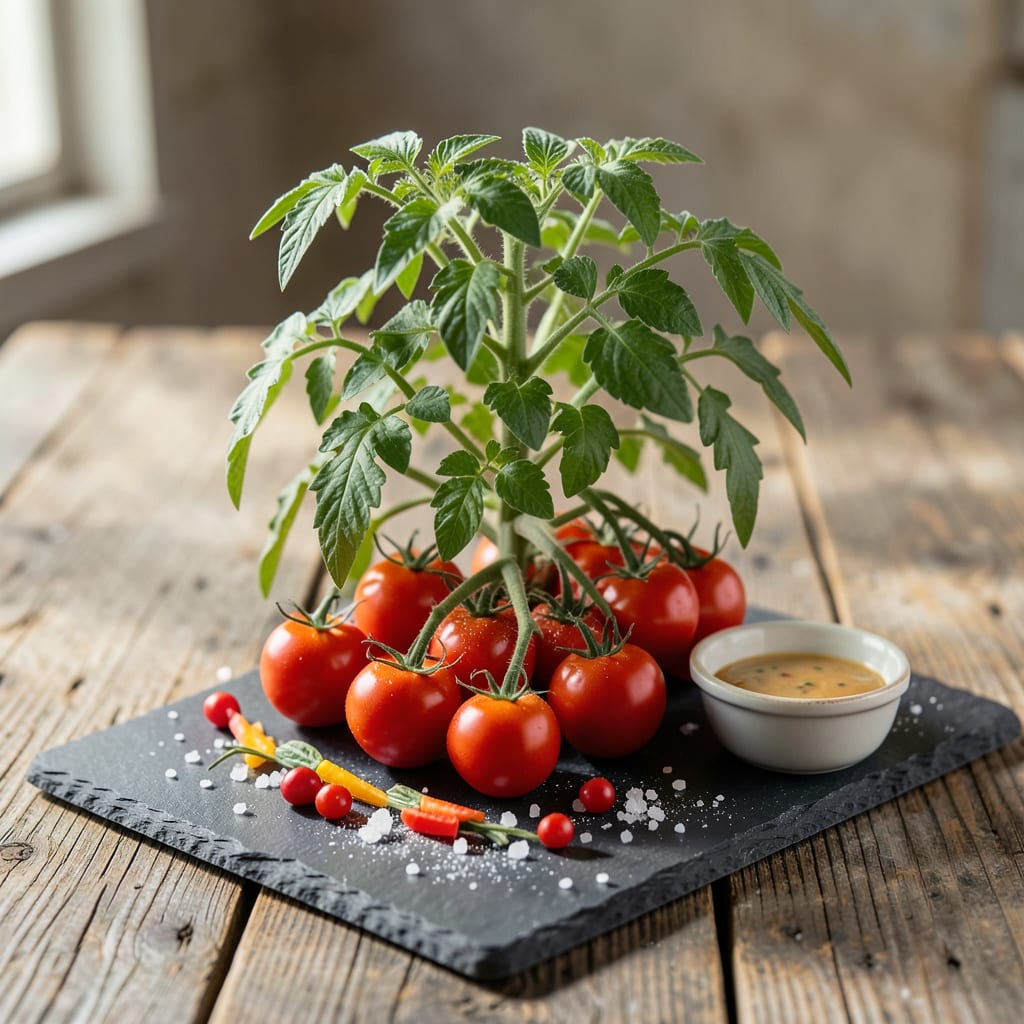
Growing Cherry Tomato 🍅 plants can be a rewarding experience, but understanding their growth potential is crucial for planning your garden layout. The height of these plants varies based on several factors, including variety and growing conditions.
In USDA Zone 6, you can expect Cherry Tomato plants to grow between 2-6 feet tall. Proper support and pruning can help manage their height and maximize yields. Let’s explore the factors that influence their growth and how to make the most of your harvest.


Cherry tomato plants are known for their vigorous growth and abundant harvests, but their height can vary significantly based on several factors. Understanding these factors is crucial for garden planning and maximizing yields.
The typical height range for cherry tomato plants is between 2-6 feet, with some varieties growing even taller under optimal conditions. Factors such as variety, growing conditions, and support systems all play a role in determining the final height of these plants 🌿.
Indeterminate cherry tomato varieties, which are the most common type, will continue to grow throughout the season, potentially reaching heights of 6 feet or more if not pruned or supported. Dwarf or bush varieties, on the other hand, tend to remain more compact, usually growing between 2-3 feet tall 🔝.
Understanding these growth patterns helps gardeners choose the right variety for their space and prepare appropriate support systems. Proper planning ensures better air circulation, reduced disease risk, and more efficient harvesting.
The growth rate of cherry tomato plants can be influenced by factors such as soil temperature, nutrient availability, and watering consistency. Maintaining optimal growing conditions can help plants reach their full height potential while maximizing fruit production.
Cherry tomato plants generally require full sun (6+ hours of direct sunlight) and consistent moisture to grow well. Soil that is rich in organic matter and has good drainage also supports healthy growth and development.
Pruning practices can significantly affect the height and productivity of cherry tomato plants. Removing lower leaves and suckers can help control height while improving air circulation and reducing disease risk.
For gardeners with limited space, choosing compact or dwarf varieties can be an effective way to grow cherry tomatoes without sacrificing too much height or yield. These varieties are bred to be more bushy and produce fruit over a shorter period.
Supporting cherry tomato plants with cages or trellises not only helps manage their height but also makes harvesting easier and more efficient. This support is particularly important for indeterminate varieties.
In conclusion, while cherry tomato plants can grow quite tall, their height is influenced by a combination of genetic and environmental factors. By understanding these factors and employing proper gardening techniques, gardeners can optimize both the height and productivity of their cherry tomato plants 🌟.
Regular monitoring and maintenance, including pruning and fertilization, are key to achieving the best possible growth and harvest from cherry tomato plants.
Proper management of cherry tomato plant height is crucial for achieving optimal growth and maximizing yields. By understanding how to support and prune these plants, gardeners can ensure healthy development and abundant harvests.
One effective method for managing cherry tomato plant height is through the use of support structures such as trellises, cages, or stakes. These supports help guide the plant’s growth upward, making the most of available space and promoting better air circulation 🌿.
Place support structures like cages or trellises near the plants at the time of planting to avoid damaging roots later.
Remove lower leaves to improve air circulation and reduce disease risk, helping plants grow stronger and healthier.
Gently train the vines to grow up the support, securing them with soft ties if necessary to maintain an upright growth habit.
Pruning is another critical aspect of managing cherry tomato plant height. By removing suckers (the shoots that grow between the main stem and a branch), gardeners can direct the plant’s energy toward fruit production rather than excessive vegetative growth.
For gardeners with limited space, using compact or dwarf varieties can be an effective strategy. These varieties naturally grow shorter and bushier, requiring less support and maintenance 🌱.
In addition to pruning and support, maintaining optimal growing conditions is essential for healthy plant development. This includes providing adequate water, nutrients, and sunlight.
Regularly monitoring the plants for signs of stress or disease and addressing issues promptly can also help in managing their height and overall health. By combining these strategies, gardeners can enjoy a bountiful harvest of delicious cherry tomatoes.
Effective management of cherry tomato plant height not only improves garden aesthetics but also enhances productivity and ease of harvesting. With the right techniques and support, these plants can thrive and provide a continuous supply of fresh tomatoes throughout the growing season 🌟.
When growing cherry tomato plants, understanding the height variations between different varieties is crucial for effective garden planning. The height of cherry tomato plants can significantly impact their productivity and the overall garden layout.
Different cherry tomato varieties exhibit distinct growth habits, ranging from compact dwarf types to tall indeterminate varieties. Knowing these differences helps gardeners choose the right variety for their space and plan appropriate support systems.
The indeterminate varieties of cherry tomato plants are known for their vigorous growth and can reach heights of 6 feet or more if not pruned or supported. These plants require substantial support structures like trellises or cages to manage their height and maximize productivity 🌿.
Dwarf or compact varieties, on the other hand, are bred to be more bushy and compact, typically growing between 2-3 feet tall. These varieties are ideal for gardeners with limited space or those who prefer container gardening 🌱.
Semi-determinate varieties offer a middle ground, growing to moderate heights of 3-5 feet and requiring some support. They are suitable for gardeners who want a balance between productivity and manageable plant size.
Understanding these variety-specific height considerations allows gardeners to make informed decisions when selecting cherry tomato varieties for their gardens. By choosing the right type and providing appropriate care, gardeners can optimize both the height and productivity of their cherry tomato plants 🌟.
