
Beautiful Plants For Your Interior
Beautiful Plants For Your Interior
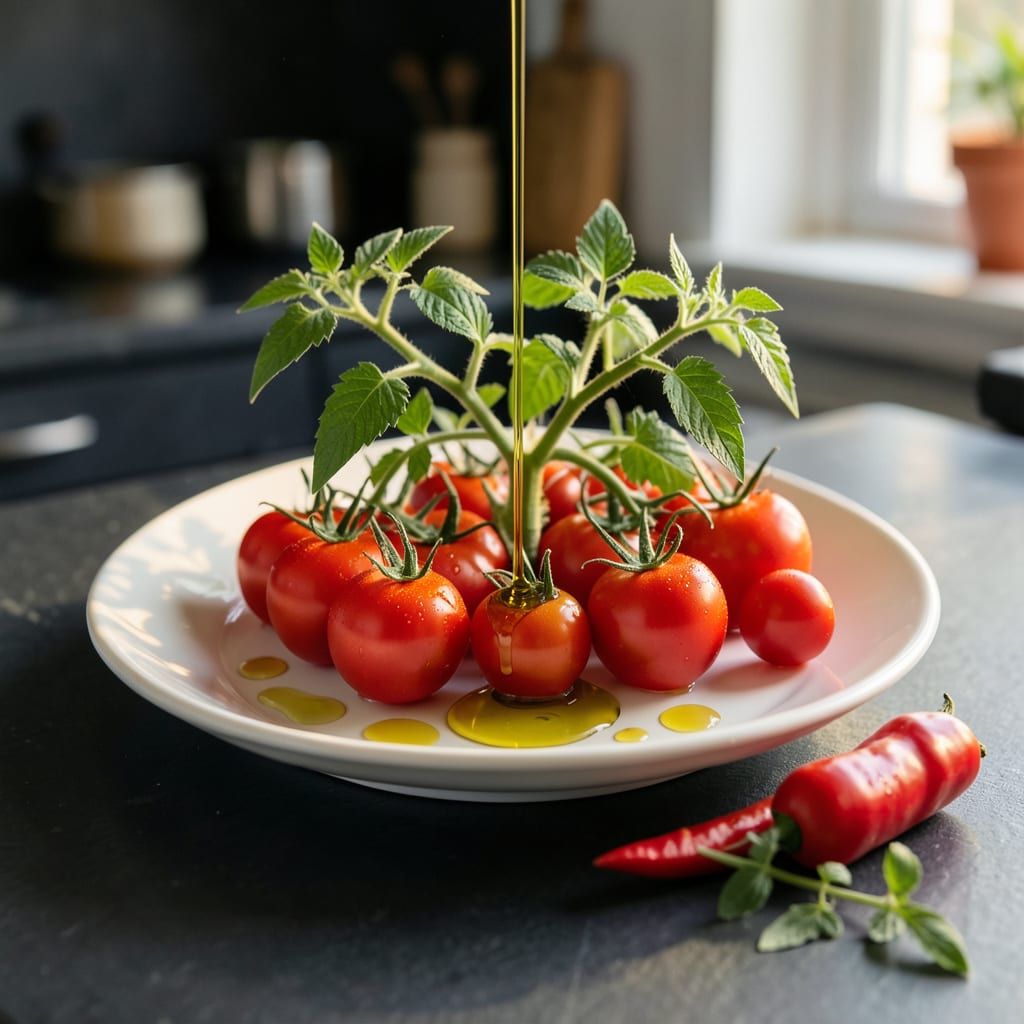
Growing delicious tomatoes 🍅 requires more than just good soil – timing is everything. I’ve learned that fertilizing at the right moments can make all the difference in your harvest.
In my experience, understanding when to feed your tomato plants is crucial for maximum yield. Let’s explore the best times to fertilize and how to do it effectively for a bountiful summer harvest.

Tomato plants have different nutrient requirements at various growth stages. Understanding these needs is crucial for optimal fertilization. I’ll break down the key stages and their corresponding fertilization needs.
The main growth stages for tomato plants are: seedling, flowering, and fruiting. Each stage requires different nutrient balances to promote healthy growth and maximize yield.
During the seedling stage, tomato plants require a starter fertilizer that is high in phosphorus to promote healthy root development. This early nutrition sets the foundation for robust plant growth.
As plants transition to the flowering stage, they benefit from a balanced fertilizer (e.g., 10-10-10 NPK) that supports both vegetative growth and flower production. This balance provides the necessary nutrients for healthy plant development.
The fruiting stage is critical for maximizing yield. During this phase, a potassium-rich fertilizer is recommended to enhance fruit size, quality, and flavor. Potassium helps with overall plant health and resistance to disease.
Understanding these nutrient requirements at different growth stages allows gardeners to tailor their fertilization schedule for optimal results. Proper fertilization timing can significantly impact tomato yield and quality 🌼
By adjusting the fertilizer type according to the plant’s growth stage, gardeners can ensure that their tomato plants receive the right nutrients at the right time. This targeted approach to fertilization supports healthy plant growth and maximizes fruit production.
Effective fertilization is not just about applying fertilizer; it’s about understanding the specific needs of your tomato plants at each stage of their growth. This knowledge enables gardeners to make informed decisions about their fertilization practices.
Regular monitoring of plant health and adjusting fertilization accordingly can lead to better yields and healthier plants. It’s a proactive approach that considers the changing needs of the plants throughout their growth cycle.
In conclusion, fertilizing tomato plants is a nuanced process that requires attention to the different growth stages and their specific nutrient requirements. By adopting a stage-specific fertilization strategy, gardeners can enhance their tomato yield and enjoy a more bountiful harvest 🌟
Fertilizing tomato plants effectively requires more than just knowing when to fertilize – it’s about doing it correctly and safely. I’ve learned that proper application methods can make a significant difference in plant health and yield.
To get the most out of your fertilization efforts, it’s essential to follow best practices that promote healthy plant growth while minimizing potential risks. Let’s explore some practical tips on how to fertilize tomato plants effectively 🌼
Apply balanced fertilizer (10-10-10 NPK) during the flowering stage to support both vegetative growth and flower production. For the fruiting stage, switch to a potassium-rich fertilizer to enhance fruit quality and size.
When it comes to fertilizer application, timing and method are crucial. I’ve found that fertilizing in the early morning allows plants to absorb nutrients throughout the day, reducing the risk of burning the roots or leaves.
It’s also important to water thoroughly after applying fertilizer to help distribute the nutrients evenly around the root zone. This practice ensures that the fertilizer is effectively utilized by the plants.
Another key aspect is to avoid over-fertilizing, as this can lead to nutrient imbalances and potentially harm the plants. Following the recommended fertilization schedule and adjusting based on plant response is critical for optimal results.
Regular soil testing can provide valuable insights into nutrient levels, helping you make informed decisions about your fertilization strategy. This proactive approach allows for adjustments to be made as needed, ensuring your tomato plants receive the right nutrients at the right time 🌱
By following these best practices for fertilizing tomato plants, gardeners can promote healthy growth, maximize yield, and enjoy a bountiful harvest. Remember, effective fertilization is a key component of successful tomato cultivation 🌟
Selecting the appropriate fertilizer is critical for maximizing tomato yield and ensuring healthy plant growth. I’ve found that understanding the different types of fertilizers available can help gardeners make informed decisions about their fertilization strategy.
The main types of fertilizers for tomato plants are: organic, synthetic, and slow-release. Each type has its own benefits and drawbacks, which I’ll outline in the comparison below.
When choosing a fertilizer, consider the NPK ratio and the specific needs of your tomato plants at different growth stages. A balanced fertilizer (e.g., 10-10-10 NPK) is often recommended for overall plant health.
Organic fertilizers, such as compost or manure, improve soil health and promote beneficial microbial activity. However, they may have variable nutrient content and release rates.
Synthetic fertilizers offer quick nutrient availability and precise NPK ratios, making them effective for addressing specific nutrient deficiencies. However, overuse can lead to soil degradation and environmental issues.
Slow-release fertilizers provide consistent nutrition over an extended period, reducing the frequency of application. While they can be more expensive, they offer convenience and reduce the risk of over-fertilization 🌿
Ultimately, the best fertilizer for your tomato plants will depend on your specific growing conditions, soil type, and personal preferences. By understanding the different types of fertilizers available, you can make an informed decision that supports healthy plant growth and maximizes yield 🌟
Fertilize your tomato plants every 4-6 weeks during the growing season. This frequency supports healthy growth and maximizes yield. Adjust based on plant response and soil conditions
A balanced fertilizer (10-10-10 NPK) is recommended for overall plant health. You can also use organic or slow-release fertilizers depending on your preferences and soil type. Consider soil testing to determine specific nutrient needs
Yes, over-fertilizing can harm your tomato plants by causing nutrient imbalances. Follow the recommended fertilization schedule and adjust based on plant response. Regular soil testing can help prevent over-fertilization
The best time to fertilize is in the early morning. This allows plants to absorb nutrients throughout the day, reducing the risk of burning the roots or leaves. Water thoroughly after application to distribute nutrients evenly
