
Beautiful Plants For Your Interior
Beautiful Plants For Your Interior
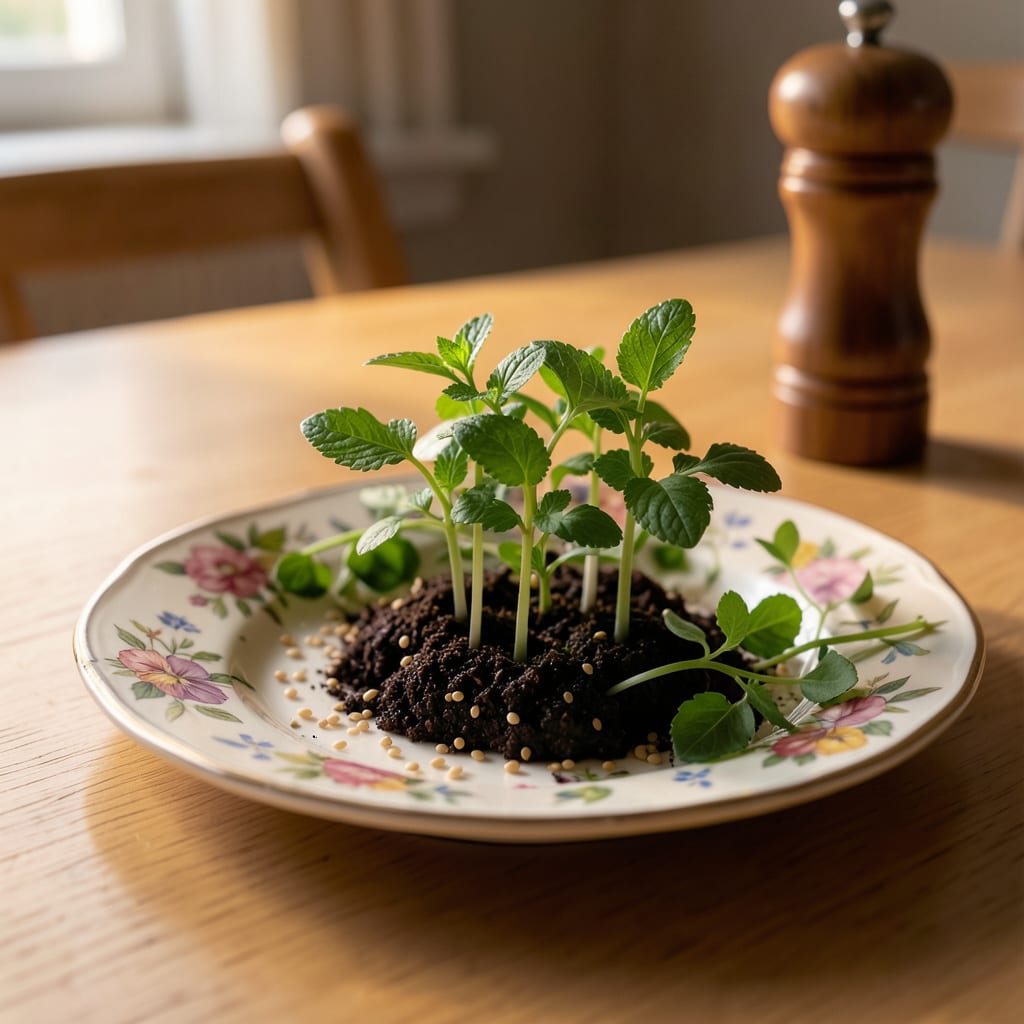
Fertilizing your 🌱 Seedling indoors at the right time is crucial for healthy growth. In USDA Zone 6, where the spring season brings new life, timing your fertilizer application can make all the difference.
I’ll guide you through the optimal timing and best practices for fertilizing your Seedling, helping you achieve stronger and more resilient plants. Let’s get started with the basics of seedling fertilization.

Fertilizing seedlings indoors is a critical step in their development. Seedlings need essential nutrients to grow strong and healthy. The timing of fertilization depends on the growth stage of the seedlings.
Generally, seedlings don’t need fertilizer right away. They can get the necessary nutrients from the seed starting mix. However, as they grow and develop their first set of true leaves, they will start to need additional nutrients 🌿.
The key is to start with a weak fertilizer solution and gradually increase the strength as the seedlings grow. This approach helps prevent fertilizer burn and promotes healthy development 🌱.
When choosing a fertilizer, look for a balanced formula with equal parts nitrogen, phosphorus, and potassium (NPK). A 20-20-20 fertilizer is a good starting point for most seedlings.
Understanding the nutrient needs of your seedlings is crucial for their growth. By starting with the right fertilizer at the right time, you can give your seedlings the best chance to thrive.
As seedlings grow, their nutrient requirements change. It’s essential to monitor their development and adjust your fertilization schedule accordingly. This might involve increasing the frequency or strength of the fertilizer 🔍.
One of the most common mistakes when fertilizing seedlings is over-fertilization. Too much fertilizer can damage the roots and cause more harm than good. It’s better to under-fertilize than to overdo it.
Another important consideration is the type of fertilizer to use. Organic fertilizers, such as compost tea or fish emulsion, can be a great option for seedlings. They provide a gentle, slow release of nutrients that promotes healthy growth.
In addition to the right fertilizer, seedlings also need proper care. This includes providing adequate light, water, and temperature conditions. By combining good care with the right fertilization, you can help your seedlings grow into strong, healthy plants 🌟.
Remember, the goal of fertilizing seedlings is to support their growth, not to force it. By being patient and providing the right nutrients at the right time, you can help your seedlings develop into robust and resilient plants.
Fertilizing seedlings indoors requires a thoughtful approach. By understanding their nutrient needs and adjusting your fertilization schedule accordingly, you can give your seedlings the best chance to thrive.
Fertilizing seedlings indoors requires careful consideration of several factors, including the type of fertilizer, application method, and timing. To promote healthy growth, it’s essential to use the right fertilizer at the right concentration and frequency.
I recommend starting with a balanced fertilizer that contains equal parts nitrogen, phosphorus, and potassium (NPK). A 20-20-20 fertilizer is a good starting point for most seedlings. When applying fertilizer,
Fertilize seedlings in the morning when they’re most active, and avoid getting fertilizer on the leaves to prevent damage.
One of the most common mistakes when fertilizing seedlings is over-fertilization. Too much fertilizer can damage the roots and cause more harm than good. It’s better to under-fertilize than to overdo it. Start with a weak solution and gradually increase the strength as the seedlings grow.
Another important consideration is the type of fertilizer to use. Organic fertilizers, such as compost tea or fish emulsion, can be a great option for seedlings. They provide a gentle, slow release of nutrients that promotes healthy growth.
In addition to the right fertilizer, seedlings also need proper care. This includes providing adequate light, water, and temperature conditions. By combining good care with the right fertilization, you can help your seedlings grow into strong, healthy plants 🌱.
To ensure you’re fertilizing your seedlings effectively, monitor their development and adjust your fertilization schedule accordingly. This might involve increasing the frequency or strength of the fertilizer as needed.
By following these best practices for fertilizing seedlings indoors, you can give your plants the best chance to thrive and enjoy a bountiful harvest 🌼.
When growing seedlings indoors, it’s crucial to recognize when they need fertilizer to promote healthy growth 🌱. Seedlings require essential nutrients to develop strong roots and leaves.
I always keep an eye out for signs that my seedlings need fertilizer, such as slow growth, yellowing leaves, or weak stems. If I notice any of these symptoms, I know it’s time to adjust my fertilization schedule 🔍.
Monitor your seedlings’ growth and adjust fertilization accordingly to prevent nutrient deficiencies.
One of the most common signs that seedlings need fertilizer is yellowing leaves. This can indicate a nitrogen deficiency, which is essential for leaf growth. I
In addition to yellowing leaves, slow growth can also be a sign that seedlings need fertilizer. If my seedlings are not growing at the expected rate, I check if they’re receiving enough nutrients. I may need to adjust the frequency or strength of the fertilizer 🔄.
By recognizing the signs that seedlings need fertilizer, I can take action to promote healthy growth and prevent nutrient deficiencies. This ensures that my seedlings develop into strong, healthy plants 🌿.
Regular monitoring and adjustments to fertilization can make a significant difference in the health and development of my seedlings. I’m always on the lookout for signs that my seedlings need fertilizer, and I take action promptly to support their growth 🚀.
Start fertilizing your seedlings when they have developed their first set of true leaves. This is usually after they’ve germinated and grown their initial seed leaves. Begin with a half-strength fertilizer to avoid burning their delicate roots.
A balanced fertilizer with equal parts nitrogen, phosphorus, and potassium (NPK) is ideal for seedlings. Look for a 20-20-20 fertilizer as a good starting point. Organic options like compost tea or fish emulsion can also provide a gentle nutrient boost.
Fertilize your seedlings every 2 weeks once they’ve established their first true leaves. Start with a half-strength solution and gradually increase to full strength as they grow. Monitor their growth and adjust the frequency as needed.
Yes, over-fertilization is a common mistake that can damage seedlings’ roots. It’s better to under-fertilize than to overdo it. Start with a weak solution and gradually increase the strength as the seedlings grow. Watch for signs of nutrient deficiency or excess, and adjust accordingly.
