
Beautiful Plants For Your Interior
Beautiful Plants For Your Interior
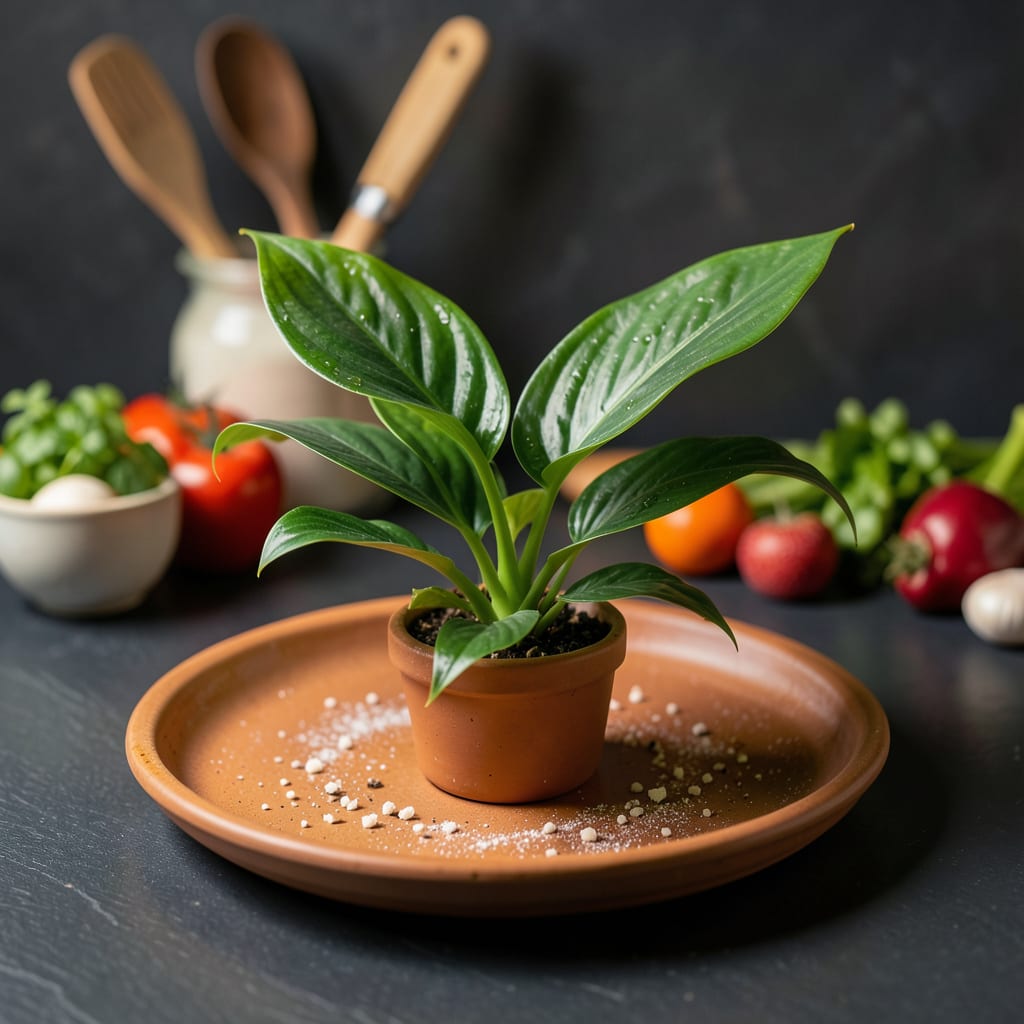
As a Peace Lily 💐 owner, you want to keep your plant thriving year-round. Proper fertilization is key to maintaining its health and encouraging beautiful white blooms.
I’ll guide you through the best times to fertilize your Peace Lily, helping you provide the necessary nutrients for healthy growth and development in your USDA Zone 6 environment.
Fertilizing your Peace Lily is crucial for its health and growth, especially during its active growing season. Understanding when and how to fertilize can make a significant difference in the plant’s overall well-being.
The Peace Lily typically thrives in USDA Zone 6, and its growing season usually spans from spring to early fall. During this period, the plant requires more nutrients to support its active growth and flower production. 🌱
Fertilizing your Peace Lily during the growing season helps promote healthy foliage and encourages blooming. It’s essential to choose a balanced, water-soluble fertilizer to provide the necessary nutrients without causing damage to the roots.
When fertilizing,
Another critical factor is the soil’s pH level. Peace Lilies prefer a slightly acidic to neutral soil pH, ranging from 6.0 to 7.0. Maintaining the right pH ensures that the plant can absorb the nutrients effectively.
Monitoring your Peace Lily’s response to fertilization is also crucial. If you notice yellowing leaves or burnt tips, it may be a sign that you’re over-fertilizing. Adjust your fertilization schedule accordingly to prevent damage.
In addition to regular fertilization, repotting your Peace Lily every 2-3 years can provide it with fresh soil and a larger pot if necessary. This helps maintain the plant’s health and supports continued growth.
By following these guidelines and understanding your Peace Lily’s needs, you can ensure it remains healthy and thrives in your care. Regular fertilization, combined with proper care, will reward you with beautiful blooms and lush foliage.
To summarize, fertilize your Peace Lily during the spring and summer months when it’s actively growing, and reduce or stop fertilization during the fall and winter when the plant is dormant. This approach will help maintain your plant’s health and encourage optimal growth.
Fertilizing your Peace Lily effectively is crucial for its health and growth. To do this, you need to choose the right fertilizer and apply it correctly. I’ll guide you through the process to ensure your plant thrives.
The first step is to select a balanced, water-soluble fertilizer. This type of fertilizer provides the necessary nutrients for your Peace Lily without causing damage to its roots. Look for a fertilizer with a balanced N-P-K ratio, such as 20-20-20, to support overall plant health.
Fertilize your Peace Lily every 4-6 weeks during the growing season (spring and summer) for optimal results.
When applying the fertilizer,
It’s also essential to monitor your plant’s response to fertilization. If you notice yellowing leaves or burnt tips, it may be a sign that you’re over-fertilizing. Adjust your fertilization schedule accordingly to prevent damage and ensure your Peace Lily remains healthy.
In addition to proper fertilization, maintaining the right soil pH is crucial. Peace Lilies prefer a slightly acidic to neutral soil pH, ranging from 6.0 to 7.0. This ensures that the plant can absorb the nutrients effectively.
By following these guidelines and tips, you can fertilize your Peace Lily effectively and support its overall health and growth. Regular fertilization, combined with proper care, will reward you with beautiful blooms and lush foliage 🌿.
To further enhance your Peace Lily’s health, consider repotting it every 2-3 years. This provides fresh soil and a larger pot if necessary, supporting continued growth and preventing nutrient depletion.
Remember, the key to successful fertilization is to be mindful of your plant’s needs and adjust your care routine accordingly. With the right approach, your Peace Lily will thrive and bring beauty to your indoor space 💐.
For optimal results, keep in mind that Peace Lilies have different needs during different seasons. During the fall and winter months when the plant is dormant, reduce or stop fertilization to prevent nutrient buildup.
Understanding when your Peace Lily needs fertilization is crucial for maintaining its health and encouraging beautiful blooms. I’ll help you identify the signs that indicate your plant requires nutrients.
One of the primary indicators that your Peace Lily needs fertilization is slow growth. If your plant is not producing new leaves or flowers, it may be a sign that it’s lacking essential nutrients 🌿.
Monitor your Peace Lily’s growth and watch for signs of nutrient deficiency, such as yellowing leaves or weak stems. Adjust your fertilization schedule accordingly to ensure optimal health.
Another sign that your Peace Lily needs fertilization is yellowing or pale leaves. This can indicate a lack of essential nutrients like nitrogen, iron, or magnesium. Fertilizing your plant with a balanced fertilizer can help address these deficiencies.
In addition to yellowing leaves, weak or spindly stems can also be a sign that your Peace Lily needs fertilization. A balanced fertilizer will provide the necessary nutrients to support healthy stem growth and overall plant development 🌱.
It’s also essential to monitor your Peace Lily’s flowering. If your plant is not producing flowers or is producing fewer flowers than usual, it may be a sign that it needs fertilization. A fertilizer high in phosphorus can help promote blooming.
By recognizing these signs and symptoms, you can determine when your Peace Lily needs fertilization and take action to provide the necessary nutrients for optimal health and growth.
