
Beautiful Plants For Your Interior
Beautiful Plants For Your Interior
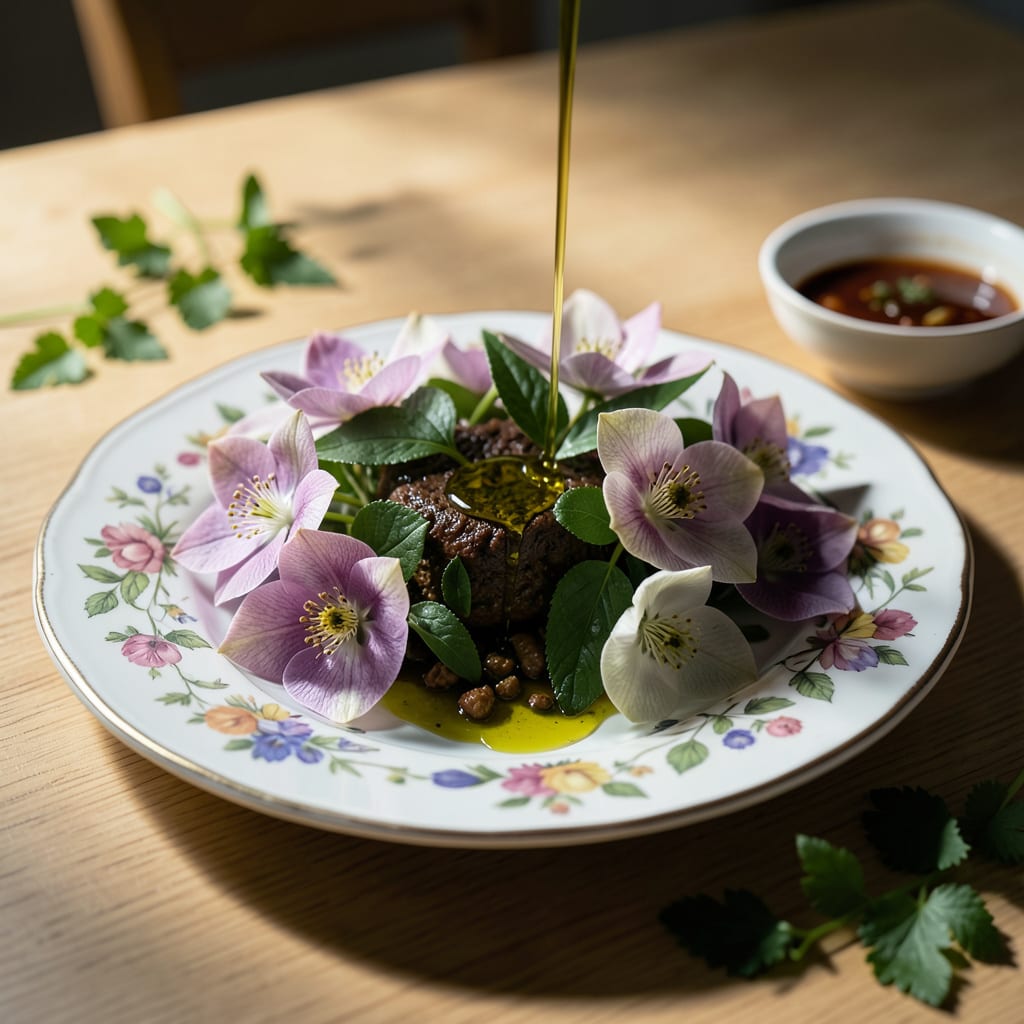
Caring for Clematis 💐 plants requires attention to their nutritional needs, particularly when it comes to fertilization. Knowing the right time to fertilize can significantly impact their growth and blooming potential.
In USDA Zone 6, where these beautiful vines thrive, timing your fertilization correctly is crucial for optimal results. Let’s explore the best practices for fertilizing your Clematis to achieve those stunning blooms.

Fertilizing clematis at the right time is crucial for their growth and blooming potential. In USDA Zone 6, where these beautiful vines thrive, timing your fertilization correctly is key to achieving those stunning blooms.
Clematis plants have different nutritional needs throughout the year. Understanding these needs will help you provide the best care for your plants. The fertilization schedule should be aligned with their growth cycle.
The early spring fertilization is critical as it supports the development of new growth and promotes blooming. A balanced fertilizer provides the necessary nutrients for healthy plant development.
After the blooming period, a light feeding helps maintain the health of the foliage and supports the plant’s overall vigor. This is particularly important for clematis, as they are heavy feeders.
In late summer or early fall, another application of balanced fertilizer promotes root growth and prepares the plant for the next growing season. This step is essential for maintaining the plant’s health and ensuring vigorous growth the following year.
During the winter months, clematis plants are dormant, and fertilization is not necessary. Avoid fertilizing during this period to allow the plants to rest.
By following this fertilization schedule, you can ensure your clematis plants receive the nutrients they need for optimal growth and blooming.
It’s also important to consider the type of fertilizer used. A balanced fertilizer with an NPK ratio of 10-10-10 is generally recommended for clematis.
Soil preparation is another critical factor. Ensuring the soil is well-draining and rich in organic matter will support the health of your clematis plants.
Regular watering is necessary, especially during the growing season. Clematis prefer moist soil, so keep the soil consistently watered but not waterlogged.
Pruning is also an essential part of clematis care. Prune your plants according to their specific pruning group to promote healthy growth and blooming.
By combining proper fertilization with good soil preparation, watering, and pruning practices, you can enjoy vibrant blooms from your clematis plants year after year.
Fertilizing clematis effectively requires understanding the right type of fertilizer to use and how to apply it properly. A balanced fertilizer with an NPK ratio of 10-10-10 is generally recommended for clematis plants.
The fertilizer application method is also crucial. You can either sprinkle the fertilizer around the base of the plant or mix it into the soil.
Water your clematis plants thoroughly after fertilizing to help the nutrients reach the roots. 🌿
One common mistake to avoid is over-fertilizing. This can damage the plant and reduce blooming. Stick to the recommended dosage and frequency to ensure optimal growth.
The timing of fertilization is also important. As discussed earlier, fertilizing in early spring, after blooming, and in late summer/early fall is recommended.
In addition to the right fertilizer and application method, soil quality plays a significant role in clematis health. Ensure your soil is well-draining and rich in organic matter to support healthy plant growth.
By following these fertilization tips and avoiding common mistakes, you can promote healthy growth and enjoy vibrant blooms from your clematis plants year after year.
Regular monitoring of your plants is also essential. Keep an eye out for signs of nutrient deficiency or over-fertilization, and adjust your care routine as needed.
With proper fertilization and care, your clematis plants will thrive and provide beautiful blooms for years to come.
When fertilizing clematis, it’s essential to consider other care practices that complement fertilization for optimal results. Proper soil preparation is critical for healthy clematis growth.
Ensure your soil is well-draining and rich in organic matter to support the health of your clematis plants. This will help them absorb nutrients more effectively.
By combining proper fertilization with these care practices, you can enjoy vibrant blooms from your clematis plants year after year. Regular monitoring of your plants is also essential to adjust your care routine as needed 🌼.
Proper care includes being mindful of potential issues such as pests or diseases, and taking action promptly if you notice any problems.
With these additional care tips, you’ll be well on your way to growing healthy and thriving clematis plants that bring beauty to your garden 🌿.
Fertilize your clematis every 4-6 weeks during the growing season for optimal growth. This frequency supports healthy development and promotes blooming.
A balanced fertilizer with an NPK ratio of 10-10-10 is generally recommended for clematis. This type of fertilizer provides the necessary nutrients for healthy plant development and blooming.
No, it’s best to avoid fertilizing your clematis during the winter months when the plant is dormant. Fertilization is not necessary during this period, and it allows the plant to rest.
You can either sprinkle the fertilizer around the base of the plant or mix it into the soil. Water your clematis thoroughly after fertilizing to help the nutrients reach the roots.
