
Beautiful Plants For Your Interior
Beautiful Plants For Your Interior
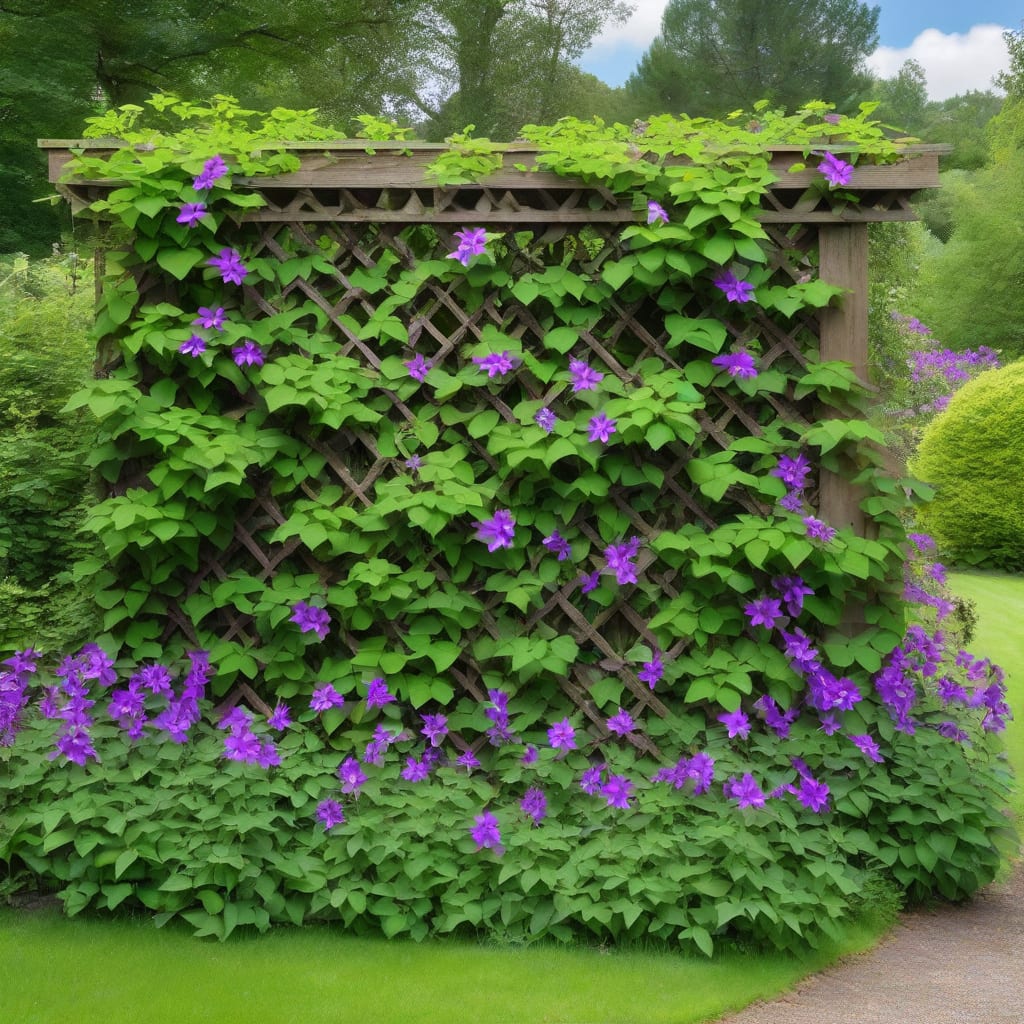
I still remember the first time I saw a Clematis 💐 vine in full bloom – it was like a purple waterfall cascading down a garden trellis. But have you ever wondered just how tall these stunning climbers can actually grow?
Clematis plants can reach impressive heights, typically between 8-20 feet, depending on the variety and growing conditions in your USDA Zone 6 garden. Let’s explore what factors influence their growth and how you can maximize their height.


Clematis plants are known for their vigorous growth and ability to reach impressive heights in gardens. The maximum height a clematis can achieve depends on several key factors, including the specific variety, growing conditions, and the support system provided. Understanding these elements is crucial for gardeners looking to maximize their clematis’s growth potential 🌿.
Generally, clematis plants can grow anywhere from 8 to 20 feet tall. However, some varieties are naturally more compact, while others can climb much higher with proper support. Let’s explore the factors that influence clematis height and how you can encourage your plants to reach their full potential 🌻.
The height of a clematis plant is significantly influenced by its variety. Some clematis varieties are bred to be more compact, making them suitable for smaller gardens or containers, while others are known for their vigorous growth and ability to cover large areas. Understanding the specific needs and characteristics of your clematis variety is essential for providing the right conditions for optimal growth 💐.
Growing conditions also play a crucial role in determining how tall a clematis will grow. Factors such as soil quality, sunlight exposure, and watering practices all impact the plant’s overall health and growth. Clematis generally thrive in well-draining soil with plenty of organic matter and require at least six hours of sunlight per day 🌞.
Providing the right support is also key to maximizing a clematis’s height. Using a sturdy trellis or other climbing structure can help guide the plant’s growth upwards, allowing it to reach its full potential. Regular pruning and training techniques can also encourage a clematis to grow taller and more vigorously 🌱.
By understanding the factors that influence clematis height and providing the right care and support, gardeners can help their plants achieve impressive heights and enjoy their beautiful blooms for years to come 🌼.
Clematis plants are not only admired for their height but also for their stunning flowers that come in a variety of colors and forms. The combination of their climbing habit and beautiful blooms makes them a popular choice for adding vertical interest to gardens 💐.
For gardeners looking to maximize their clematis’s growth, it’s essential to choose a variety known for its vigorous growth and to provide the right growing conditions. Regular maintenance, including pruning and fertilizing, can also help encourage healthy growth and maximize the plant’s height 🌿.
In conclusion, the height a clematis can achieve is influenced by a combination of factors, including variety, growing conditions, and support. By understanding and addressing these factors, gardeners can help their clematis plants reach their full potential and enjoy their beauty for years to come 🌻.
Clematis plants are known for their vigorous growth, but their height can be influenced by several key factors. Understanding these elements is crucial for gardeners who want to maximize their clematis’s growth potential 🌿.
The variety of clematis is a significant factor in determining its height. Some varieties are naturally more compact, while others are known for their vigorous growth and ability to climb high. Let’s explore the different factors that affect clematis height 🌻.
By understanding and addressing these factors, gardeners can help their clematis plants achieve impressive heights and enjoy their beautiful blooms for years to come 🌼.
Clematis plants are not only admired for their height but also for their stunning flowers that come in a variety of colors and forms. The combination of their climbing habit and beautiful blooms makes them a popular choice for adding vertical interest to gardens 💐.
For gardeners looking to maximize their clematis’s growth, it’s essential to choose a variety known for its vigorous growth and to provide the right growing conditions. Regular maintenance, including pruning and fertilizing, can also help encourage healthy growth and maximize the plant’s height 🌿.
In conclusion, the height a clematis can achieve is influenced by a combination of factors, including variety, growing conditions, and support. By understanding and addressing these factors, gardeners can help their clematis plants reach their full potential and enjoy their beauty for years to come 🌻.
I always find that managing clematis height is both an art and a science – it requires understanding the plant’s natural growth patterns while actively guiding its development 🌿.
To effectively manage your clematis height, you need to understand that different varieties have different growth habits. Some clematis are naturally more compact, while others can grow quite vigorously. Let’s explore some practical tips for managing clematis height 🌻.
Prune your clematis regularly to encourage healthy growth and maximize height. For most varieties, pruning in early spring is best, removing dead stems and shaping the plant.
The first step in managing clematis height is proper pruning techniques. Pruning not only controls the size but also promotes healthier growth. For most clematis, pruning in early spring before new growth begins is recommended 🌱.
Another crucial aspect is providing the right support structures. Clematis need something to climb on to reach their full height potential. Using a sturdy trellis or other climbing structure can help guide the plant’s growth upwards effectively 🌻.
Regular training of your clematis is also essential. Gently twining the stems around the support structure encourages vertical growth and helps maintain the desired height. This should be done carefully to avoid damaging the plant 🔝.
By combining proper pruning, adequate support, and regular training, you can effectively manage your clematis’s height and enjoy its beautiful blooms at the desired level in your garden 🌼.
