
Beautiful Plants For Your Interior
Beautiful Plants For Your Interior
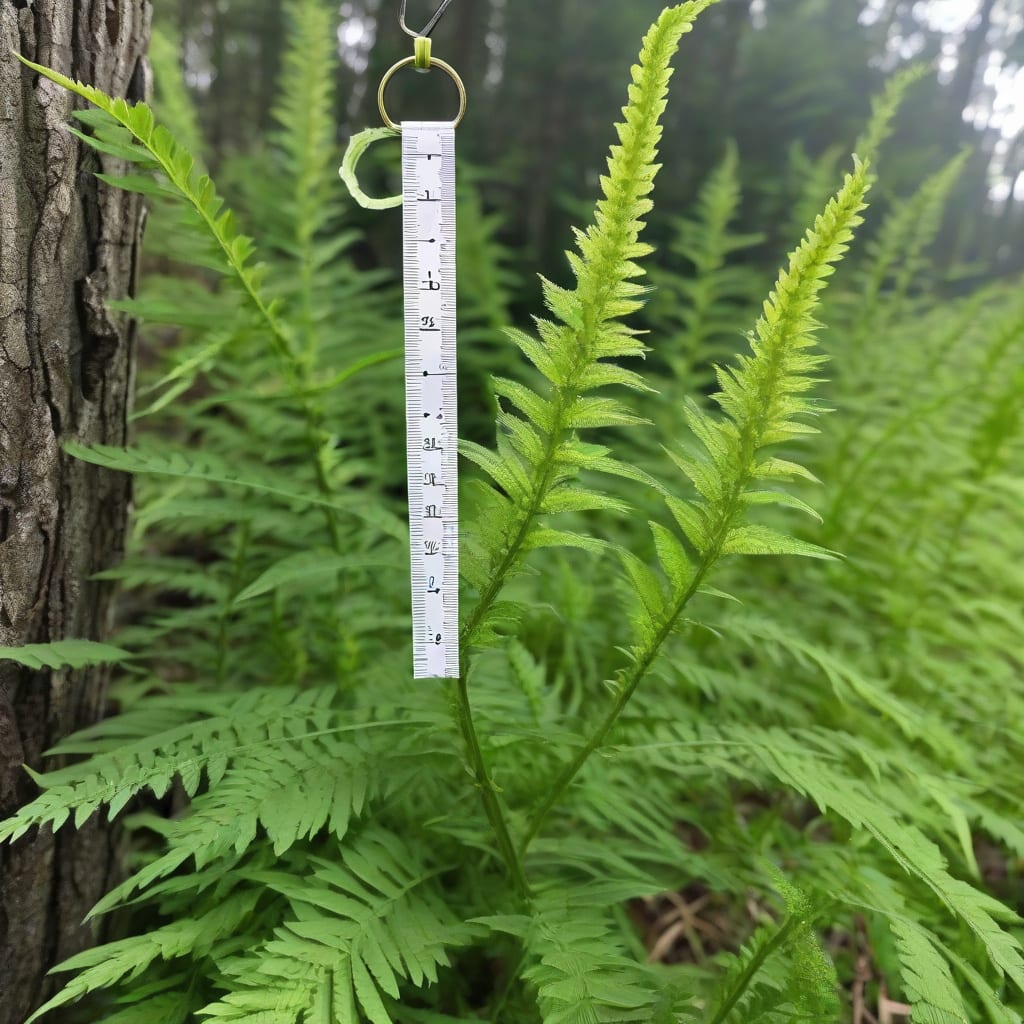
When growing Mugwort 🌿, understanding its height potential is crucial for effective garden management. This hardy herb can reach impressive heights, but what can you expect?
Mugwort typically grows between 3 to 6 feet tall, making it a substantial presence in any garden. Factors like soil quality, sunlight, and watering conditions all play a role in determining its final height, which I’ll explore in detail.


Mugwort is known for its robust growth, reaching heights that can significantly impact garden dynamics. The typical height range for mugwort is between 3 to 6 feet, making it a substantial presence in any garden setting 🌿.
Several factors influence mugwort’s height, including soil quality, sunlight exposure, and watering conditions. Understanding these elements is crucial for managing mugwort effectively in your garden.
The height of mugwort can vary significantly based on environmental conditions. For instance, mugwort grown in rich soil with ample sunlight tends to reach the upper end of its height range, while those in less favorable conditions may remain shorter 🌱.
It’s also worth noting that mugwort is a perennial herb that can become quite invasive if not managed properly. Its height, combined, helps gardeners plan for the space and maintenance needs of their mugwort plants 🌿.
To effectively manage mugwort’s height, gardeners should consider factors like soil preparation, regular pruning, and appropriate spacing between plants. These practices can help control mugwort’s height and prevent it from becoming too invasive 🌼.
Understanding mugwort’s growth patterns and maximum height is essential for gardeners who want to cultivate this herb effectively. By recognizing the factors that influence its height, gardeners can better manage their mugwort plants and ensure they thrive in their garden 🌿.
For more detailed information on managing mugwort and other herbs, consider exploring resources on herb gardening and perennial plant care. These can provide valuable insights into maintaining a healthy and balanced garden ecosystem 🌼.
In conclusion, mugwort’s height is a critical aspect of its growth that gardeners should be aware of. By understanding and managing the factors that influence its height, gardeners can enjoy the benefits of this versatile herb while maintaining a well-balanced garden 🌿.
Additional tips for managing mugwort include regular monitoring and adjusting care practices as needed. This proactive approach can help ensure that mugwort remains a healthy and productive part of your garden 🌼.
Effective management of mugwort’s height is crucial for maintaining a balanced garden ecosystem. Regular pruning is one of the most effective ways to control mugwort’s height and prevent it from becoming invasive 🌿.
Pruning should be done in early spring or late fall when the plant is dormant. This timing helps minimize stress on the plant and encourages healthy regrowth 🌱.
Determine the current height of your mugwort and decide on the desired height based on your garden layout.
Using sharp gardening shears, cut back the mugwort stems to the desired height, making clean cuts just above a node.
Regularly check your mugwort for new growth and prune as necessary to maintain the desired height 🌼.
In addition to pruning, proper spacing between mugwort plants can help manage their height and overall growth. Ensuring adequate space allows for better air circulation and reduces competition for resources 🌿.
Another effective technique is to mulch around the base of the plants. Mulching helps retain soil moisture, suppress weeds, and regulate soil temperature, all of which contribute to healthier mugwort growth 🌱.
By combining these strategies—pruning, spacing, and mulching—you can effectively manage mugwort’s height and maintain a thriving garden ecosystem 🌼.
For more tips on managing herb gardens and controlling plant height, explore resources on herb gardening and perennial plant care. These can provide valuable insights into maintaining a healthy and balanced garden 🌿.
Regular maintenance is key to keeping mugwort at a manageable height. By staying on top of pruning and other care practices, you can enjoy the benefits of this versatile herb without it overtaking your garden 🌼.
Mugwort’s height can be significantly influenced by various environmental factors. Understanding these factors is crucial for gardeners who want to manage their mugwort plants effectively 🌿.
One of the primary environmental factors affecting mugwort’s height is climate. Mugwort thrives in temperate climates with adequate moisture and moderate temperatures. Extreme weather conditions, such as prolonged drought or excessive rain, can impact its growth and height 🌼.
Mugwort’s growth is sensitive to environmental conditions. Maintaining optimal conditions can help achieve desired height and overall health 🌱.
Soil type is another critical factor. Mugwort prefers well-draining soil rich in organic matter. Soil that is too dense or poorly draining can limit root growth, potentially stunting the plant’s height 🌿.
Companion planting can also affect mugwort’s height. Some plants, when grown alongside mugwort, can either compete for resources or provide beneficial shade, influencing its overall growth 🌱.
To optimize mugwort’s height, gardeners should consider these environmental factors and adjust their care practices accordingly. By doing so, they can create a more favorable growing environment for their mugwort plants 🌼.
For more information on creating optimal growing conditions for mugwort and other herbs, explore resources on herb gardening and companion planting. These can provide valuable insights into maintaining a healthy and balanced garden ecosystem 🌿.
