
Beautiful Plants For Your Interior
Beautiful Plants For Your Interior
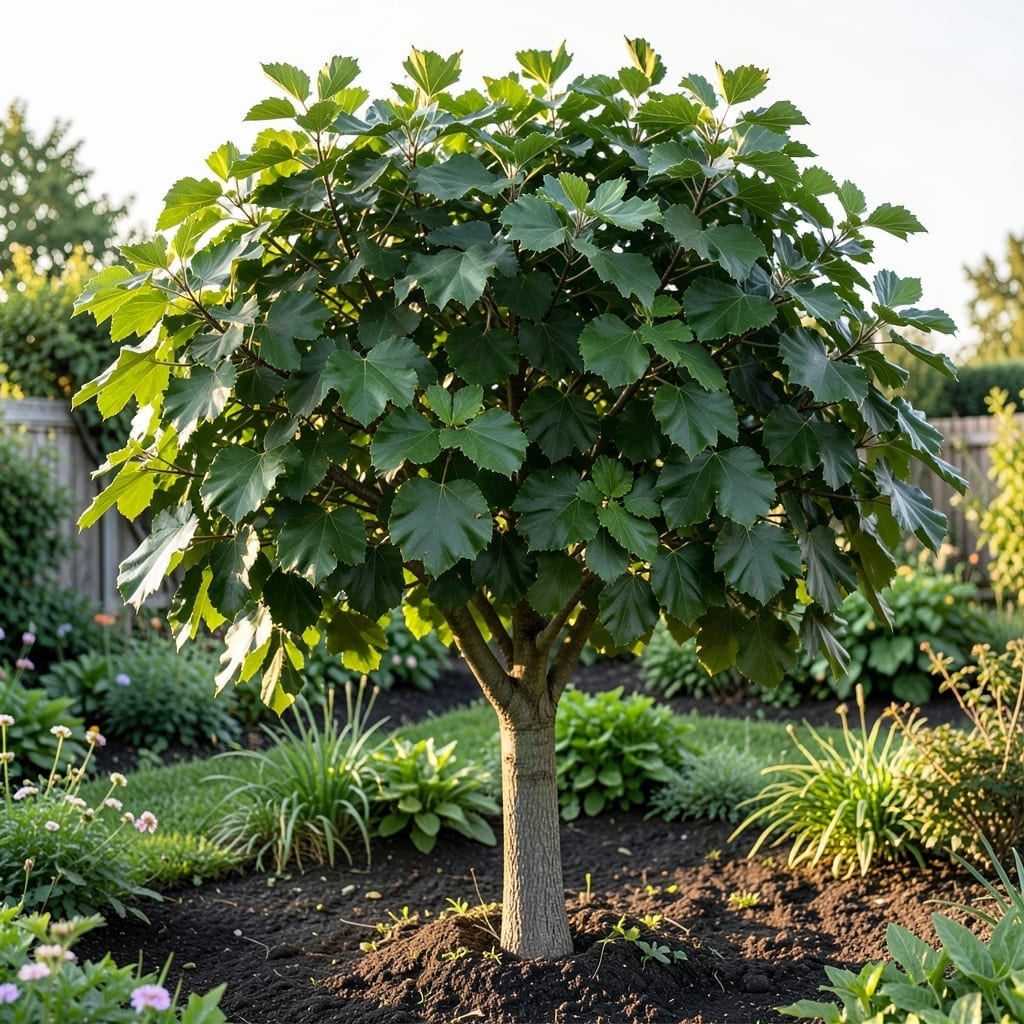
Mulberry tree leaves are not toxic to humans but contain mild hallucinogenic alkaloids. However, they can be poisonous to some animals, particularly horses and cattle, due to their high tannin content and potential cyanogenic glycosides.
While humans can safely consume them in moderation, the real concern is for livestock. 🔥 I’ve seen cases where horses eating large quantities developed digestive upset or neurological symptoms. The cyanogenic glycosides can release cyanide under certain conditions, which is why it’s critical to monitor animals around mulberry trees. Always remove fallen leaves from pastures to prevent accidental ingestion.
💡 In This Article
The toxicity stems from three key compounds found in varying concentrations. Tannins, present at 1-3% of dry weight, bind proteins in the digestive tract, reducing nutrient absorption in herbivores. This leads to weight loss and gastrointestinal distress in cattle that consume large quantities over time. 🔥
Cyanogenic glycosides like prunasin can release hydrogen cyanide when plant cells are damaged. Under stress conditions (drought, wilting), these compounds may reach 200-500 ppm. Horses are particularly susceptible, with 0.1-0.2% body weight consumption potentially causing cyanide poisoning.
Mild hallucinogenic alkaloids, including DMT and 5-MeO-DMT, exist in trace amounts (0.01-0.1%). While harmless to humans in small doses, these can affect livestock nervous systems. The alkaloids interfere with neurotransmitter function, potentially causing tremors or disorientation in sensitive animals. ✨
The leaves’ toxicity varies by species and maturity. Young shoots contain higher glycoside concentrations than mature leaves. White mulberry (Morus alba) typically has lower toxicity than black mulberry (Morus nigra), which contains up to 50% more problematic compounds.
Environmental factors amplify risks. Frozen or wilted leaves release more cyanide as cell walls break down. In one documented case, 12 horses showed poisoning symptoms after grazing on frost-damaged mulberry foliage. This demonstrates how seasonal changes can dramatically increase danger levels. 🌟
Metabolic differences explain species vulnerability. Ruminants like cattle lack efficient cyanide detoxification pathways present in humans. Their stomach pH also enhances glycoside breakdown, accelerating cyanide release. This biological difference makes the same plant relatively safe for people but potentially deadly for livestock.
Yes, in moderation they’re safe for people. The leaves contain mild alkaloids but no toxic levels for humans. Some cultures even use them for tea or cooking. Just avoid large quantities.
Horses and cattle face the highest risk due to cyanogenic glycosides. Even 0.1-0.2% of their body weight in leaves can cause poisoning. Ruminants process these compounds differently than humans.
Watch for excessive salivation, tremors, or labored breathing. Symptoms typically appear within 2-4 hours. Remove animals from the area immediately and call a vet.
No, toxicity varies by species. Black mulberry contains up to 50% more problematic compounds than white mulberry. Young shoots are more toxic than mature leaves.