
Beautiful Plants For Your Interior
Beautiful Plants For Your Interior
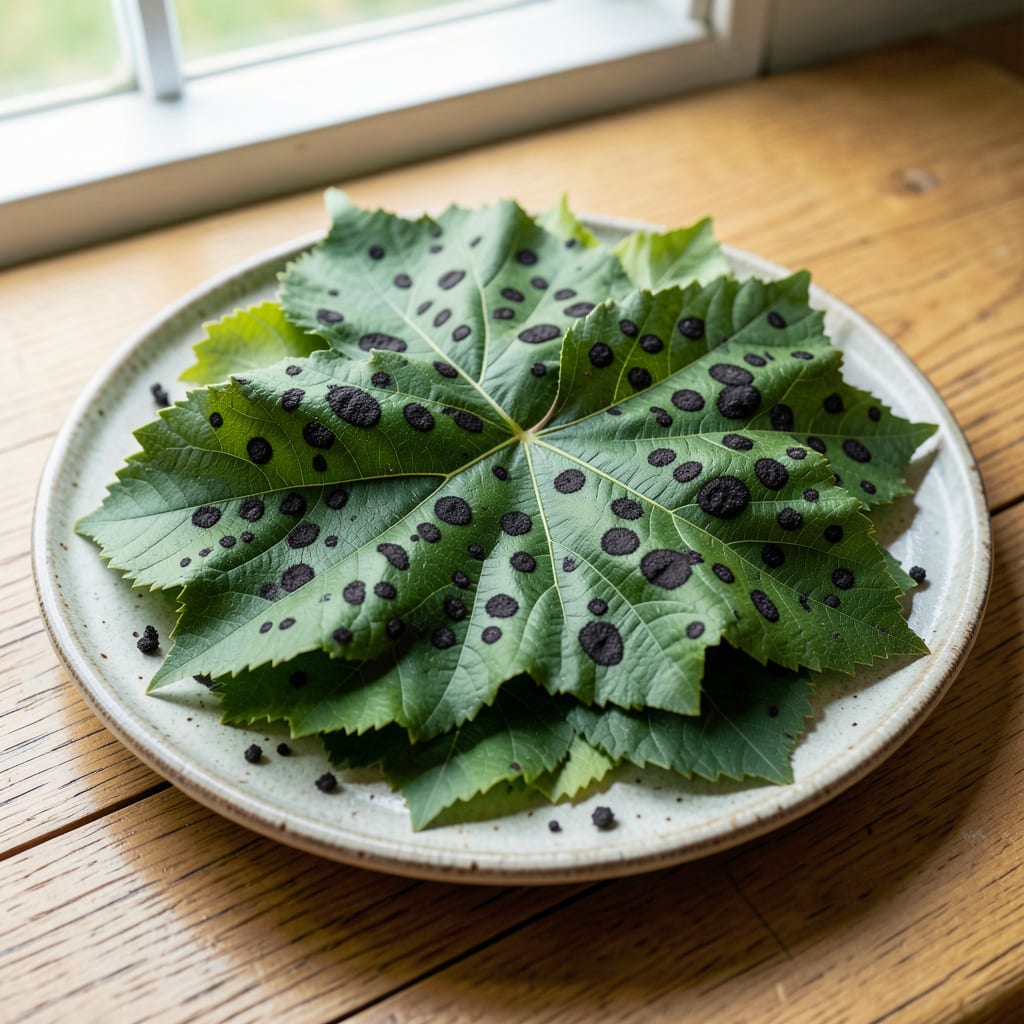
Those black spots on your mulberry leaves aren’t just ugly—they’re a warning sign. I first noticed them on my tree last summer, and ignoring them nearly cost me the whole harvest.
The usual culprit is a fungal infection, often from too much moisture or poor air circulation. Pests and environmental stress can mimic the damage, but the treatment starts with proper diagnosis and quick action.
With the right approach, you can stop the spread and restore your tree’s health. I’ve tested several remedies, and the organic solutions work just as well as chemical ones.
No need to panic—most cases are manageable with simple, safe steps. Here’s how to tackle it head-on.
Black spots on mulberry leaves are often a sign of underlying issues, and identifying the cause is key to effective treatment. Below are the most common culprits:
Fungi like Cercospora or Alternaria thrive in wet, humid conditions, leading to dark, circular lesions on leaves. These pathogens spread via spores, which germinate when moisture lingers on foliage. Overhead watering or poor air circulation exacerbates the problem.
Sap-sucking pests such as aphids or scale insects can weaken leaves, making them susceptible to secondary infections. Their feeding creates entry points for fungi or bacteria, which then cause black spots. Check leaf undersides for sticky residue (honeydew) or tiny insects.
A lack of essential nutrients, particularly potassium or magnesium, can manifest as dark, necrotic spots. Soil testing helps confirm deficiencies. Amend the soil with balanced fertilizers or organic matter to restore health.
Extreme temperatures, drought, or waterlogged soil stress the plant, reducing its ability to fend off diseases. Mulberry trees in poorly drained areas or those exposed to sudden temperature swings are especially vulnerable.
Addressing black spots on mulberry leaves starts with identifying the cause. Here’s how to tackle the most common issues:
If the spots are caused by Cercospora or other fungi, remove and destroy infected leaves immediately to prevent spread. Apply a copper-based fungicide or neem oil spray every 7–10 days until the issue resolves. Prevention tip: 💡 Improve air circulation by pruning dense foliage and avoid overhead watering to keep leaves dry.
For spots caused by pests like aphids or spider mites, spray leaves with insecticidal soap or horticultural oil. Wipe down leaves with a damp cloth to remove pests manually. Prevention tip: ✨ Encourage beneficial insects (e.g., ladybugs) and inspect leaves regularly for early signs of infestation.
If spots stem from water stress or nutrient deficiencies, adjust your care routine. Ensure consistent watering (without waterlogging) and fertilize with a balanced, nitrogen-rich product. Prevention tip: 🌡️ Mulch around the base to retain moisture and protect roots from temperature swings.
Disinfect pruning tools with rubbing alcohol between cuts to avoid spreading pathogens. Remove fallen leaves and debris around the plant to eliminate breeding grounds for fungi and pests.
Most black spots won’t kill a mulberry tree, but they weaken it over time. Severe fungal infections can reduce fruit production and leave the tree vulnerable to other diseases. Act quickly to prevent them from spreading to healthy leaves.
Yes! A mix of 1 teaspoon baking soda and 1 quart water with a drop of dish soap works as a mild fungicide. Spray it on leaves weekly. For pests, a neem oil solution is effective and organic.
Improve air circulation by pruning crowded branches and water at the base, not the leaves. Remove fallen leaves and debris to eliminate hiding spots for fungi and pests. A layer of mulch helps too.
