
Beautiful Plants For Your Interior
Beautiful Plants For Your Interior
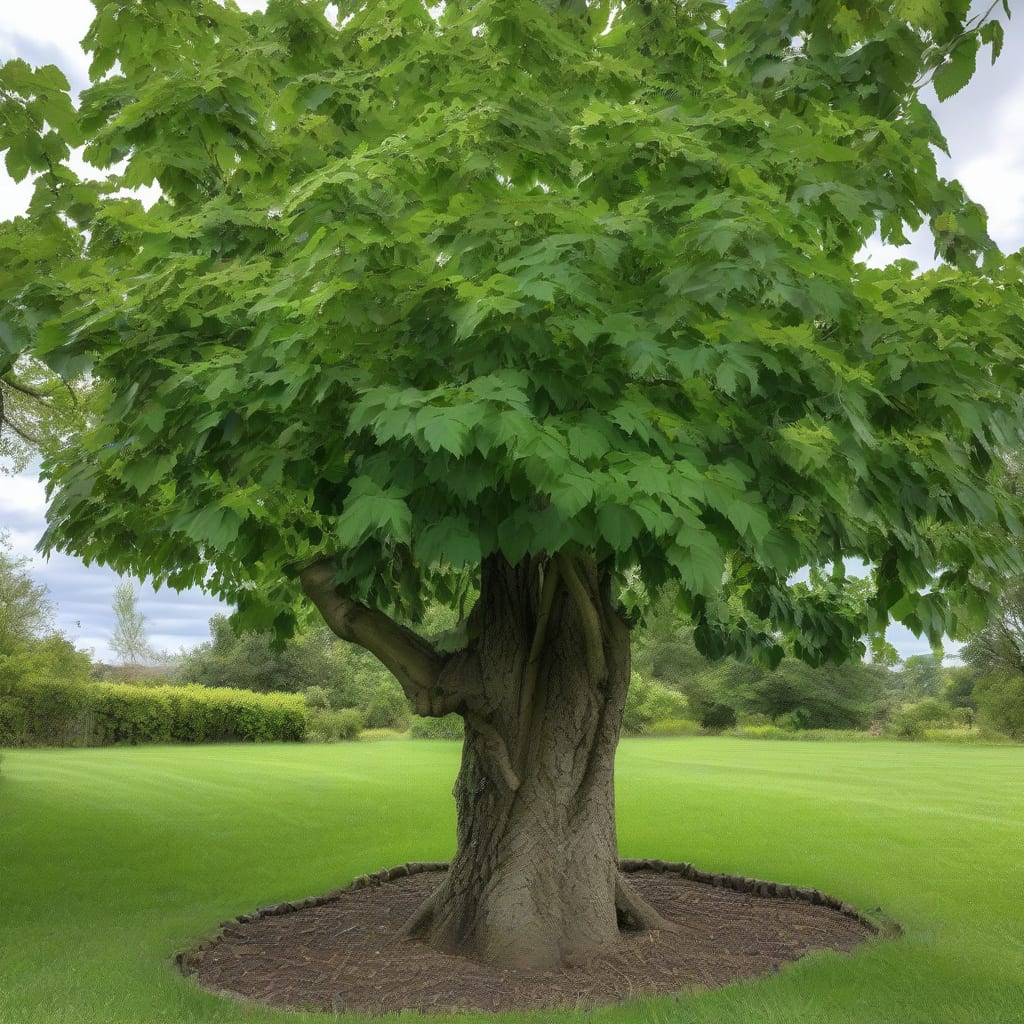
I’ve always been fascinated by the majestic 🌳 Mulberry Tree, known for its impressive size and abundant fruit production. Growing in USDA Zone 6, these trees can become a stunning centerpiece in any landscape.
Understanding how tall they can grow is crucial for garden planning – the right knowledge can help you cultivate a thriving tree that reaches its full potential. Let’s explore the factors that influence their height.


Mulberry trees are known for their impressive size and bountiful fruit production. The height of a mulberry tree can vary significantly based on several factors, including the species, environmental conditions, and the care it receives. Generally, mulberry trees can grow between 15 to 30 feet tall, with some varieties reaching even greater heights under optimal conditions 🌳.
Understanding the maximum height potential of mulberry trees is essential for garden planning and ensuring that the tree has enough space to grow. Proper care, including regular pruning and optimal growing conditions, can help a mulberry tree reach its full height potential.
The height of a mulberry tree is influenced by various factors, including the tree’s variety, soil quality, sunlight exposure, and watering conditions. For instance, a standard mulberry tree can grow up to 30 feet tall, while dwarf varieties typically reach heights of around 8 to 12 feet.
Environmental conditions, such as the amount of sunlight and the quality of the soil, also play a crucial role in determining the height of a mulberry tree. Trees grown in optimal conditions with full sun and well-drained soil tend to grow taller and healthier 🌱.
Regular pruning is another critical factor that affects the height of a mulberry tree. Pruning helps to control the tree’s size, tree size, and overall health, allowing it to grow stronger and more resilient.
By understanding these factors and providing the right care, you can help your mulberry tree reach its maximum height potential and enjoy its bountiful fruit production for years to come 🌳.
In summary, the height of a mulberry tree can vary based on several factors, including the tree’s variety, environmental conditions, and the care it receives. By providing optimal growing conditions and regular pruning, you can help your mulberry tree reach its full height potential.
For more information on growing mulberry trees and tips on how to care for them, continue reading the next section.
The height of a mulberry tree is influenced by several key factors that gardeners should consider when cultivating these magnificent trees. Understanding these elements can help you create optimal growing conditions for your mulberry tree 🌳.
Soil quality plays a crucial role in determining the height of a mulberry tree. Trees grown in well-drained soil with adequate nutrients tend to grow taller and healthier. The ideal soil pH for mulberry trees ranges between 6.0 and 6.5, which is slightly acidic to neutral 🌱.
Sunlight exposure is another critical factor that affects the height of a mulberry tree. Mulberry trees require full sun to grow tall and produce abundant fruit. Aim for at least 6 hours of direct sunlight per day for optimal growth 🌞.
Watering needs also impact the height of a mulberry tree. Consistent moisture, especially during the fruiting season, is essential for healthy growth. Water your mulberry tree deeply once or twice a week, depending on weather conditions 💧.
Pruning practices are vital for controlling the height of a mulberry tree. Regular pruning helps to maintain the tree’s size, promote healthy growth, and encourage fruit production. Prune your mulberry tree during the dormant season to minimize stress and promote vigorous growth 🌱.
By understanding and managing these factors, you can help your mulberry tree reach its full height potential and enjoy its bountiful fruit production for years to come 🌳.
In summary, the height of a mulberry tree is influenced by a combination of factors, including soil quality, sunlight exposure, watering needs, and pruning practices. By providing optimal growing conditions and regular care, you can help your mulberry tree grow tall and healthy.
Managing the height of a mulberry tree is crucial, especially when growing in smaller gardens or spaces where a large tree might not be suitable. By understanding how to control the height through proper techniques, you can enjoy the benefits of growing a mulberry tree even in limited space 🌳.
Regular pruning during the dormant season can help control the height of your mulberry tree while promoting healthy growth 🌱.
One effective method for managing mulberry tree height is through regular pruning. Pruning helps to control the tree’s size, promote healthy growth, and encourage fruit production. By pruning your mulberry tree annually, you can maintain a desired height and shape 🌳.
Another approach is to select dwarf or semi-dwarf varieties of mulberry trees, which are naturally smaller and more suitable for smaller gardens. These varieties typically require less pruning and maintenance, making them ideal for gardeners with limited space 🌻.
Training your mulberry tree is also a useful technique for managing its height. By training the tree to grow in a specific shape or direction, you can control its overall size and ensure it fits well within your garden space 🌳.
In summary, managing the height of a mulberry tree involves a combination of regular pruning, selecting the right variety, and training the tree to grow in a desired shape. By implementing these strategies, you can successfully grow a mulberry tree in your garden, regardless of its size.
For more detailed information on pruning and training mulberry trees, consider exploring additional resources to enhance your gardening knowledge 🌳.
