
Beautiful Plants For Your Interior
Beautiful Plants For Your Interior
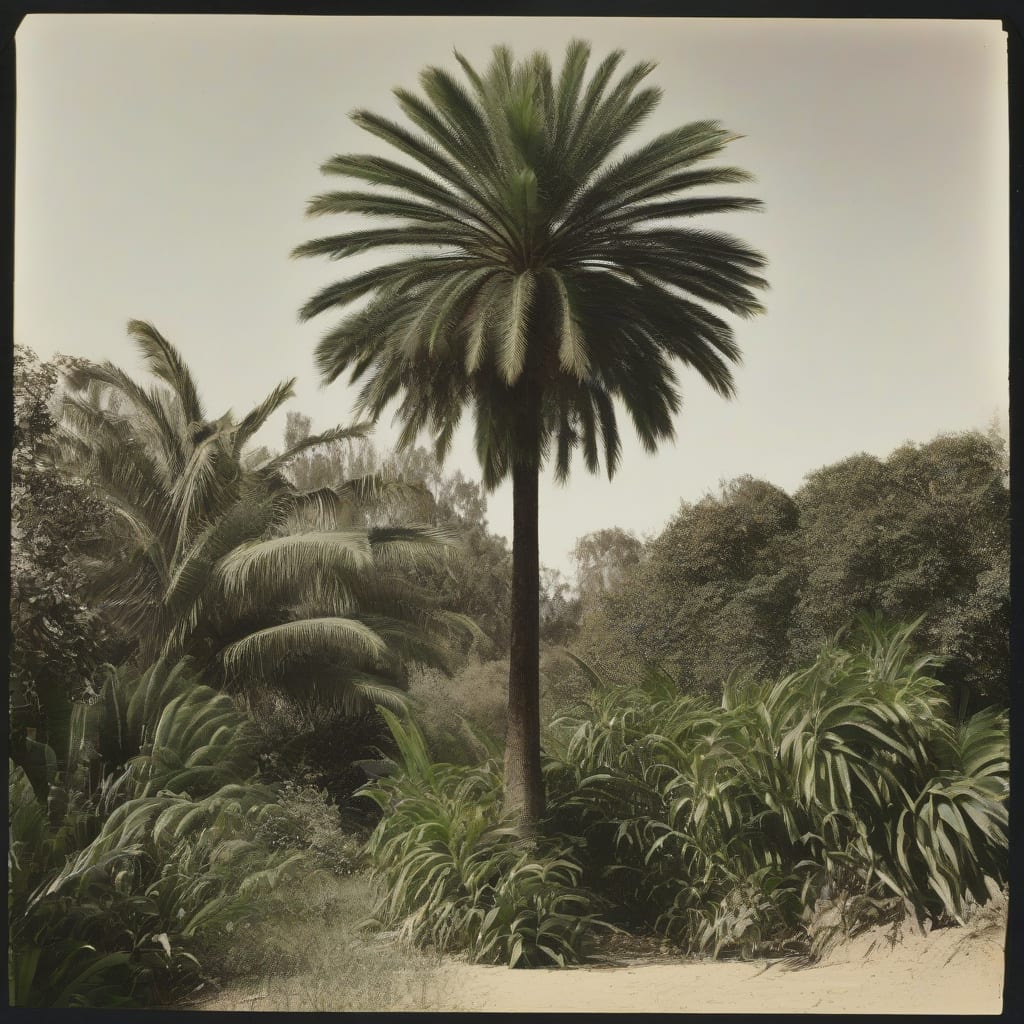
Palm trees 🌴 are iconic symbols of tropical landscapes, but their impressive height potential often raises questions among gardeners and landscapers. The height of these majestic trees can vary greatly depending on the species and growing conditions.
In USDA Zone 10, where palm trees thrive year-round, some species can reach remarkable heights. Let’s explore the factors that influence their growth and the maximum heights they can achieve.

3-5 ft

6-10 ft

10-15 ft

15-80 ft
Palm trees are known for their impressive height potential, with different species reaching varying maximum heights. The tallest palm species can grow up to 80 feet or more in ideal conditions.
The height of palm trees is influenced by factors such as species, climate, soil quality, and maintenance practices. Understanding these factors helps gardeners and landscapers choose the right palm species for their needs.
The Coconut Palm is one of the tallest palm species, with some trees reaching heights of over 100 feet in tropical regions. This makes them a striking feature in any landscape.
In contrast, the Sago Palm is much shorter, typically growing the only 10-15 feet tall. Despite their smaller stature, they remain popular for landscaping due to their unique appearance.
Other palm species, such as the Date Palm and Royal Palm, can reach heights of 60-80 feet, making them significant elements in any garden or landscape design.
Understanding the potential height of different palm species helps in planning and maintaining a balanced landscape. It’s essential to consider the mature height of palms when planting to ensure they have enough space to grow.
Factors such as soil quality, climate, and maintenance practices also play a crucial role in determining the maximum height a palm tree can achieve. Proper care can help palms reach their full height potential.
For gardeners and landscapers, selecting the right palm species based on desired height and growing conditions is key to creating a thriving and visually appealing landscape.
By choosing palm trees that are well-suited to the local climate and soil conditions, it’s possible to achieve the desired height and aesthetic appeal in any landscape design.
Palm trees continue to be a popular choice for landscaping due to their versatility and the range of heights they can achieve, from the short Sago Palm to the towering Coconut Palm.
The height of palm trees is influenced by various factors, including climate, soil quality, and maintenance practices. Understanding these factors helps gardeners and landscapers optimize palm tree growth and achieve the desired height 🌴.
Climate, soil quality, watering, and maintenance practices all play a crucial role in determining the maximum height a palm tree can achieve.
Climate is a significant factor, as palm trees thrive in warm, tropical, and subtropical regions. Temperature and humidity levels can affect growth rates and overall height.
Soil quality is another critical factor. Palm trees prefer well-draining soil with adequate nutrients. Poor soil conditions can limit root development and impact overall height.
Watering practices also influence palm tree height. Consistent moisture levels promote healthy growth, while drought conditions can stunt growth and reduce maximum height.
Maintenance practices, such as pruning and fertilization, play a role in managing palm tree height. Regular pruning can help control height and promote a balanced structure.
By understanding and managing these factors, gardeners and landscapers can optimize palm tree growth and achieve the desired height in their landscapes.
Different palm species have varying growth habits and respond differently to environmental conditions. Selecting the right species for specific growing conditions is crucial for achieving optimal height.
Proper care and maintenance practices can help palm trees reach their full height potential, making them a stunning feature in any landscape.
In conclusion, the height of palm trees is influenced by a combination of environmental and care-related factors. By understanding and managing these factors, it’s possible to optimize palm tree growth and achieve the desired height 🌴.
Managing palm tree height is crucial for maintaining a balanced and visually appealing landscape. Different palm species have varying growth habits, and understanding how to control their height can help gardeners and landscapers achieve their desired landscape design 🌴.
Regular pruning helps control palm tree height and promotes a balanced structure. Remove dead or damaged fronds to maintain the tree’s appearance and health.
Pruning is an effective method for controlling palm tree height. By removing dead or damaged fronds, gardeners can maintain the tree’s appearance and promote healthy growth. Pruning should be done carefully to avoid damaging the tree 🌿.
Selecting dwarf or semi-dwarf palm varieties is another strategy for managing height. These varieties naturally grow shorter than standard palm trees, making them ideal for smaller landscapes or areas where height needs to be controlled.
Growth management strategies also play a role in controlling palm tree height. This includes regular maintenance practices such as fertilization and watering, which can influence growth rates and overall height 📈.
By combining these strategies, gardeners and landscapers can effectively manage palm tree height and create a thriving, visually appealing landscape. Proper care and maintenance are key to achieving the desired height and aesthetic appeal 🌴.
