
Beautiful Plants For Your Interior
Beautiful Plants For Your Interior
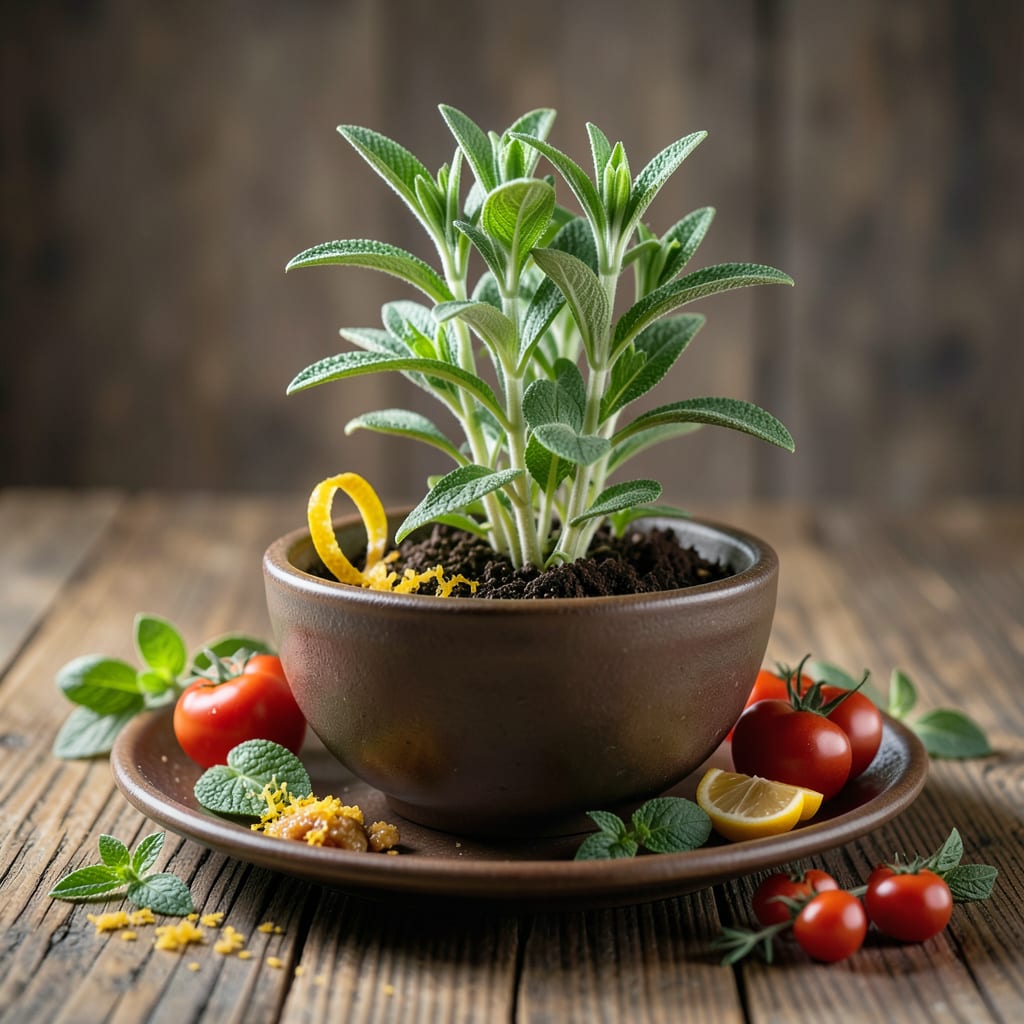
I’ve always been fascinated by how Sage 🌿 can grow to varying heights depending on the conditions. Understanding its growth habits is crucial for maximizing its height and getting the most out of this versatile herb.
Typically, Sage grows between 2-4 feet tall, but factors like soil quality, sunlight, and pruning techniques can significantly impact its vertical growth. Let’s dive into the details to help you cultivate a thriving Sage plant.


I’ve found that several key factors influence how tall Sage plants can grow. Understanding these elements is crucial for gardeners looking to maximize their Sage’s height and overall health 🌿.
Soil quality, sunlight exposure, watering practices, and pruning techniques all play significant roles in determining the height of Sage plants. Let’s explore these factors in more detail.
Soil quality is fundamental to Sage’s growth. The herb thrives in well-draining soil with a pH between 6.0 and 7.0. Poor soil conditions can significantly limit the plant’s height and overall health.
Sunlight exposure is another critical factor. Sage requires at least 6 hours of direct sunlight daily to grow robustly. Insufficient sunlight can lead to leggy growth and reduced height.
Watering practices also impact Sage’s height. The plant prefers regular watering with a slight drying out between sessions. Overwatering can be detrimental, leading to root rot and stunted growth.
Pruning techniques are essential for maintaining Sage’s shape and encouraging bushy growth. Regular pruning prevents the plant from flowering and directs its energy towards leaf production and vertical growth.
By optimizing these factors, gardeners can create an environment that supports the healthy growth of Sage plants, potentially reaching heights of 2-4 feet.
Each of these factors contributes to the overall height and health of Sage plants. By understanding and managing these elements, gardeners can cultivate thriving Sage plants that add both flavor and beauty to their gardens 🌼.
In my experience, maintaining a balance between these factors is key to achieving optimal Sage plant height. Regular monitoring and adjustments to soil quality, sunlight exposure, watering practices, and pruning techniques will help ensure your Sage plants reach their full potential.
For gardeners looking to maximize their Sage’s height, it’s essential to be mindful of these factors and make necessary adjustments throughout the growing season. With proper care and attention, Sage plants can become a robust and fragrant addition to any garden.
By following these guidelines and understanding the factors that affect Sage plant height, you can enjoy a bountiful harvest of this versatile herb for years to come 🌱.
I’ve found that maximizing Sage height requires a combination of optimal growing conditions and proper care techniques. By understanding these factors, gardeners can help their Sage plants reach their full potential 🌿.
Fertilization, spacing, and pest management are crucial elements in promoting healthy Sage growth. Let’s explore these factors in more detail.
Use a balanced fertilizer (10-10-10 NPK) every 4-6 weeks during the growing season to promote healthy growth.
Plant Sage at least 18-24 inches apart to allow for good air circulation and prevent overcrowding.
Regularly inspect your Sage plants for signs of pests like aphids or spider mites, and treat promptly if necessary.
By implementing these expert gardening tips, you can create an optimal environment for your Sage plants to thrive and reach their maximum height 🌼.
Regular fertilization provides essential nutrients for healthy growth, while proper spacing prevents overcrowding and reduces the risk of disease. Meanwhile, pest management helps protect your Sage plants from damage caused by insects and other pests.
In my experience, combining these techniques can significantly impact Sage plant height. By fertilizing regularly, ensuring proper spacing, and monitoring for pests, gardeners can promote healthy growth and maximize their Sage’s height.
For optimal results, be sure to fertilize during the growing season, typically in spring and summer, and maintain a consistent watering schedule to support healthy growth.
By following these guidelines and incorporating expert gardening tips into your Sage care routine, you can enjoy a bountiful harvest of this versatile herb for years to come 🌱.
I’ve seen many gardeners struggle with Sage growth due to common mistakes that can be easily avoided. Understanding these pitfalls is crucial for cultivating healthy Sage plants 🌿.
Overwatering, poor drainage, insufficient sunlight, and improper pruning are common errors that can significantly limit Sage’s height potential. Let’s explore these mistakes in more detail.
Common gardening errors like overwatering and poor drainage can lead to root rot, while insufficient sunlight causes leggy growth. Regular monitoring can help prevent these issues.
Overwatering is a common mistake that can lead to root rot and stunted growth. Sage prefers well-draining soil and can be susceptible to root rot if the soil is too moist.
Poor drainage can also negatively impact Sage growth. Ensuring good drainage is essential to prevent waterlogged soil conditions that can harm the plant.
Insufficient sunlight is another critical error. Sage requires at least 6 hours of direct sunlight daily to grow robustly. Without enough sunlight, the plant may become leggy and weak.
Improper pruning techniques can also limit Sage’s height. Regular pruning is necessary to encourage bushy growth and prevent the plant from flowering, which can divert energy from leaf production.
By being aware of these common mistakes, gardeners can take steps to avoid them and create an optimal environment for their Sage plants to thrive 🌼.
In my experience, avoiding these mistakes can significantly impact Sage plant health and height. By being mindful of watering practices, ensuring good drainage, providing sufficient sunlight, and pruning correctly, gardeners can promote healthy growth and maximize their Sage’s height.
For optimal results, regular monitoring and adjustments to care practices are essential. By following these guidelines, you can enjoy a bountiful harvest of this versatile herb for years to come 🌱.
