
Beautiful Plants For Your Interior
Beautiful Plants For Your Interior
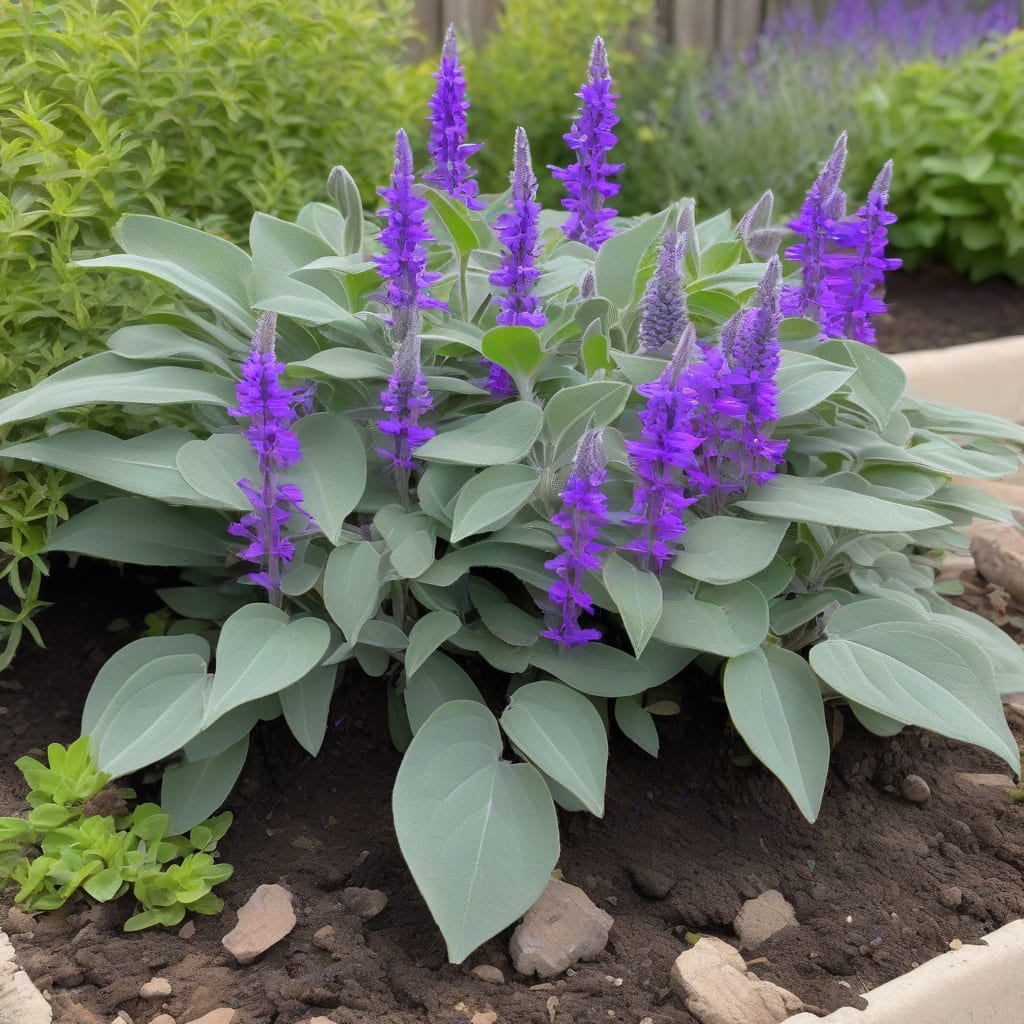
As I tend to my herb garden, I’m often asked about the growth habits of Sage 🌿 plants. Understanding how tall they can grow is crucial for optimal placement and care. In USDA Zone 6, Sage plants typically reach 2-3 feet in height.
Factors like sunlight, soil quality, and pruning practices can influence their growth. By knowing what to expect, you can better plan your garden and keep your Sage plants healthy and thriving. Let’s explore the details of Sage plant growth.


Sage plants are a popular choice for herb gardens due to their culinary and medicinal properties. When it comes to their height, Sage plants typically grow between 2-3 feet tall, making them a great addition to gardens where space is available 🌿.
The height of Sage plants can be influenced by several factors, including soil quality, sunlight exposure, and pruning practices. Understanding these factors is crucial for managing the growth of your Sage plants effectively.
In ideal conditions, with full sun and well-draining soil, Sage plants can reach their maximum height potential. I have found that regular watering and fertilization every 4-6 weeks during the growing season can support healthy growth.
It’s worth noting that younger Sage plants (first year) typically grow 1-2 feet tall, while mature plants can reach the full 2-3 feet height. Proper care and maintenance are key to achieving optimal growth.
Pruning is an essential practice for managing Sage plant height. By pinching off flower buds and trimming back leggy stems, you can encourage bushy growth and prevent the plant from becoming too leggy.
Sage plants are generally considered small to medium-sized herbs, making them suitable for a variety of garden layouts. Their height can be compared to being knee-high to waist-high, which is ideal for easy harvesting and maintenance.
When planting Sage, it’s essential to consider the USDA zone you’re in. For example, in USDA Zone 6, Sage plants thrive and can reach their expected height range with proper care.
Soil temperature is another critical factor; waiting until the soil reaches 60°F before planting can ensure better growth.
To maximize the height and health of your Sage plants, ensure they receive adequate sunlight and maintain consistent watering practices. This will help in achieving the desired height and promoting overall plant health 🌟.
By understanding the factors that influence Sage plant height and following the right care practices, you can enjoy a bountiful harvest of this versatile herb.
To maximize the growth of your Sage plants, it’s essential to understand the key factors that influence their development. Proper care and maintenance are crucial for healthy Sage plants 🌿.
One of the most critical factors is sunlight exposure. Sage plants require full sun to thrive, which means they need at least 6 hours of direct sunlight per day. Ensuring your Sage plants receive adequate sunlight will promote healthy growth and prevent legginess.
For optimal growth, ensure your Sage plants receive regular watering and fertilization every 4-6 weeks during the growing season. This will help promote healthy development and maximize their height potential.
Soil quality is another vital factor in Sage plant growth. They prefer well-draining soil to prevent root rot and ensure healthy root development. I recommend using a mix specifically designed for herbs to provide the right balance of nutrients.
Pruning practices also play a significant role in maximizing Sage plant growth. Regular pruning encourages bushy growth and prevents the plant from becoming too leggy. By pinching off flower buds and trimming back leggy stems, you can promote a fuller, healthier plant.
In addition to these factors, watering practices are crucial. Sage plants prefer consistent moisture but can be susceptible to root rot if the soil is too wet. I recommend watering your Sage plants weekly, adjusting based on weather conditions.
By following these tips and providing your Sage plants with the right conditions, you can enjoy a bountiful harvest of this versatile herb. Remember, proper care and maintenance are key to maximizing Sage plant growth 🌟.
With the right care, your Sage plants will thrive and become a valuable addition to your herb garden. By understanding and implementing these strategies, you’ll be on your way to growing healthy, robust Sage plants.
Managing the size of your Sage plants is crucial for maintaining their health and promoting bushy growth. Regular pruning is essential to prevent legginess and encourage a fuller plant 🌿.
One effective way to manage Sage plant size is through pruning techniques. By trimming back leggy stems and pinching off flower buds, you can promote bushy growth and maintain a desired height.
Prune your Sage plants in early spring to remove any dead or damaged branches and promote new growth.
Pinch off flower buds to encourage leaf growth and prevent the plant from flowering.
Trim back leggy stems to maintain a bushy shape and promote healthy growth.
In addition to pruning, regular maintenance is necessary to keep your Sage plants healthy. This includes watering them regularly, fertilizing every 4-6 weeks during the growing season, and ensuring they receive adequate sunlight.
By following these pruning and maintenance strategies, you can effectively manage the size of your Sage plants and enjoy a bountiful harvest of this versatile herb 🌟.
Proper care and maintenance will help your Sage plants thrive and become a valuable addition to your herb garden. By understanding and implementing these strategies, you’ll be on your way to growing healthy, robust Sage plants.
