
Beautiful Plants For Your Interior
Beautiful Plants For Your Interior
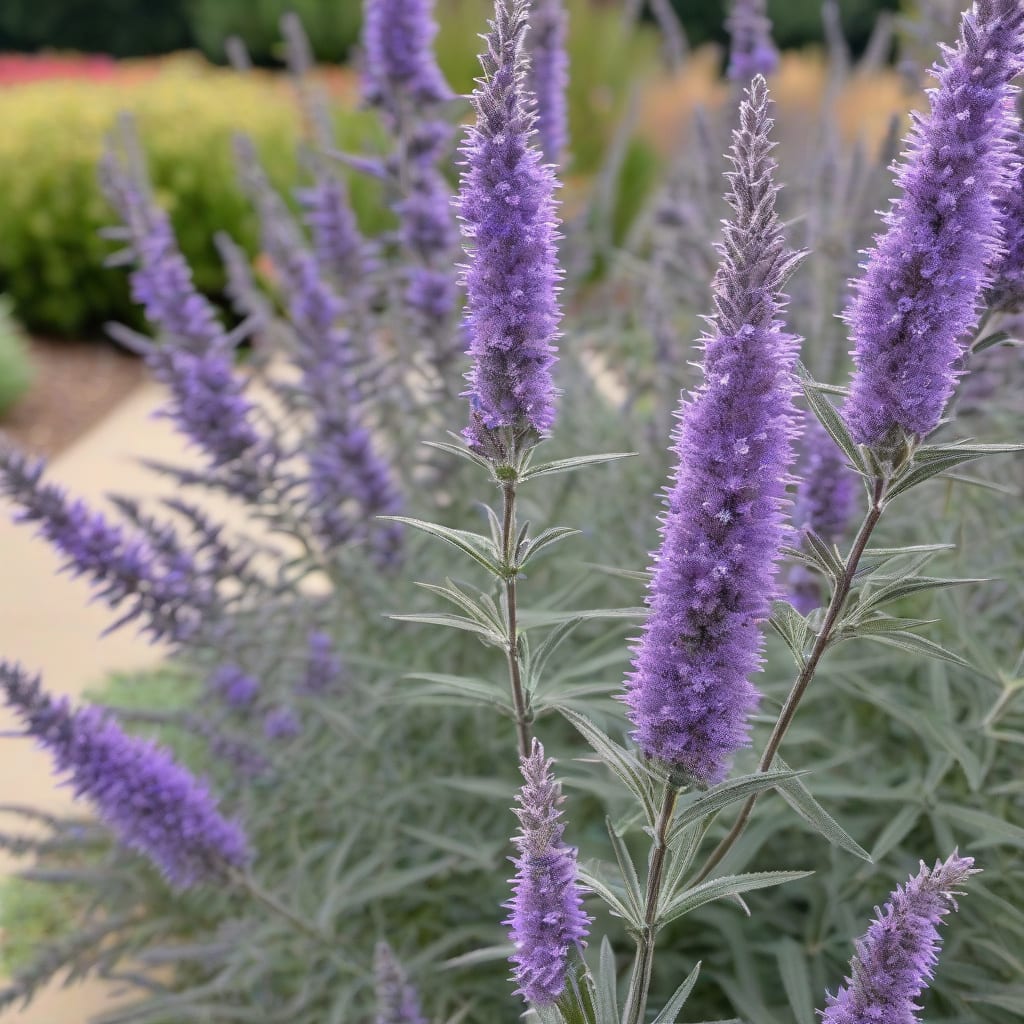
I’ve always been fascinated by Russian Sage 🌿 – its silvery foliage and delicate lavender-blue flowers make it a beautiful addition to any garden. But one question I get asked frequently is about its growth habits, particularly how tall it can grow.
Understanding Russian Sage’s height is crucial for proper placement in your garden, and I’m here to share the details. Typically, Russian Sage grows between 2-4 feet tall, making it a great choice for borders or background planting in USDA Zone 6.


I’ve found that understanding Russian Sage’s growth habits is crucial for gardeners who want to make the most of this beautiful, drought-tolerant shrub 🌿. Russian Sage typically grows between 2-4 feet tall, but several factors can influence its ultimate height.
The plant’s height can vary based on growing conditions, pruning practices, and even the specific cultivar you’re growing. In ideal conditions, with full sun and well-draining soil, Russian Sage can reach its maximum height potential 🔥.
Russian Sage’s height is influenced by several key factors, including sunlight exposure, soil quality, and pruning practices. Understanding these factors is essential for achieving the desired height and maintaining the plant’s overall health.
Sunlight plays a critical role in determining Russian Sage’s height. The plant thrives in full sun, requiring at least 6 hours of direct sunlight per day. In shadier conditions, it may become leggy and fail to reach its full height potential 🌱.
Soil conditions are another important factor. Russian Sage prefers well-draining soil and can struggle in heavy clay or consistently moist environments. Proper soil preparation can help the plant establish a strong root system, supporting healthy growth and maximum height.
Pruning practices also significantly impact Russian Sage’s height. Regular pruning helps maintain a desired height, promotes bushy growth, and prevents the plant from becoming too leggy. Pruning in early spring is particularly effective for shaping the plant and encouraging new growth.
By understanding these factors and adjusting your care practices accordingly, you can help your Russian Sage reach its full height potential and maintain a healthy, attractive shape.
Russian Sage’s growth pattern is characterized by its moderate growth rate, typically adding 1-2 feet of growth per year. This means that with proper care, the plant can quickly establish itself in the garden and reach its mature size within a few years.
The plant’s silvery foliage and delicate lavender-blue flowers make it a popular choice for gardeners looking to add texture and color to their landscapes. By understanding how tall Russian Sage can grow and how to manage its height, you can make informed decisions about its placement in your garden.
Overall, Russian Sage is a versatile and attractive shrub that can add beauty and interest to a variety of garden settings. Its drought tolerance and low maintenance requirements make it an excellent choice for gardeners looking for a hardy, easy-to-care-for plant 🌿.
I’ve found that several factors can significantly impact how tall Russian Sage will grow in your garden 🌿. Understanding these factors is crucial for achieving the desired height and maintaining the plant’s overall health.
Sunlight requirements play a critical role in determining Russian Sage’s height. The plant thrives in full sun, requiring at least 6 hours of direct sunlight per day. In shadier conditions, it may become leggy and fail to reach its full height potential.
Russian Sage’s height can be influenced by soil conditions and pruning practices. Well-draining soil and regular pruning can help the plant reach its maximum height potential.
Soil conditions are another important factor. Russian Sage prefers well-draining soil and can struggle in heavy clay or consistently moist environments. Proper soil preparation can help the plant establish a strong root system, supporting healthy growth and maximum height.
Watering needs also impact Russian Sage’s height. While the plant is drought-tolerant, it still requires regular watering, especially during its first year of growth. Overwatering can lead to root rot and other problems, so it’s essential to strike the right balance.
Pruning techniques are vital for maintaining Russian Sage’s height and promoting healthy growth. Regular pruning helps prevent the plant from becoming too leggy and encourages bushy growth. Pruning in early spring is particularly effective for shaping the plant and encouraging new growth.
By understanding these factors and adjusting your care practices accordingly, you can help your Russian Sage reach its full height potential and maintain a healthy, attractive shape 🌟.
Russian Sage’s growth habits make it an excellent choice for gardeners looking for a low-maintenance, drought-tolerant shrub. With proper care and attention, the plant can thrive in a variety of garden settings, adding beauty and interest to your landscape.
In summary, Russian Sage’s height is influenced by a combination of factors, including sunlight, soil, watering, and pruning practices. By understanding and managing these factors, you can help your Russian Sage reach its full potential and enjoy its beautiful silvery foliage and delicate lavender-blue flowers for years to come.
I recommend regular pruning to maintain your Russian Sage’s desired height and promote healthy growth 🌿. Pruning helps prevent the plant from becoming leggy and encourages a bushy, compact shape.
Prune your Russian Sage in early spring, just as new growth begins. This helps shape the plant and encourages new growth.
Remove any dead or damaged branches to maintain the plant’s health and appearance.
Cut back any leggy growth to encourage bushy, compact growth and maintain the desired height.
By following these pruning techniques, you can help maintain your Russian Sage’s desired height and promote healthy, vigorous growth 🌟. Regular pruning also encourages more abundant flowering and helps maintain the plant’s natural shape.
Pruning is an essential part of Russian Sage care, and with a little practice, you’ll be able to keep your plant looking its best. By pruning regularly, you can enjoy a beautiful, compact shrub that adds silvery foliage and delicate lavender-blue flowers to your garden for years to come.
Overall, managing Russian Sage height through pruning is a simple and effective way to keep your plant healthy and thriving. With these techniques, you’ll be able to maintain a beautiful, compact shape and enjoy the many benefits of this lovely shrub 🌿.
