
Beautiful Plants For Your Interior
Beautiful Plants For Your Interior
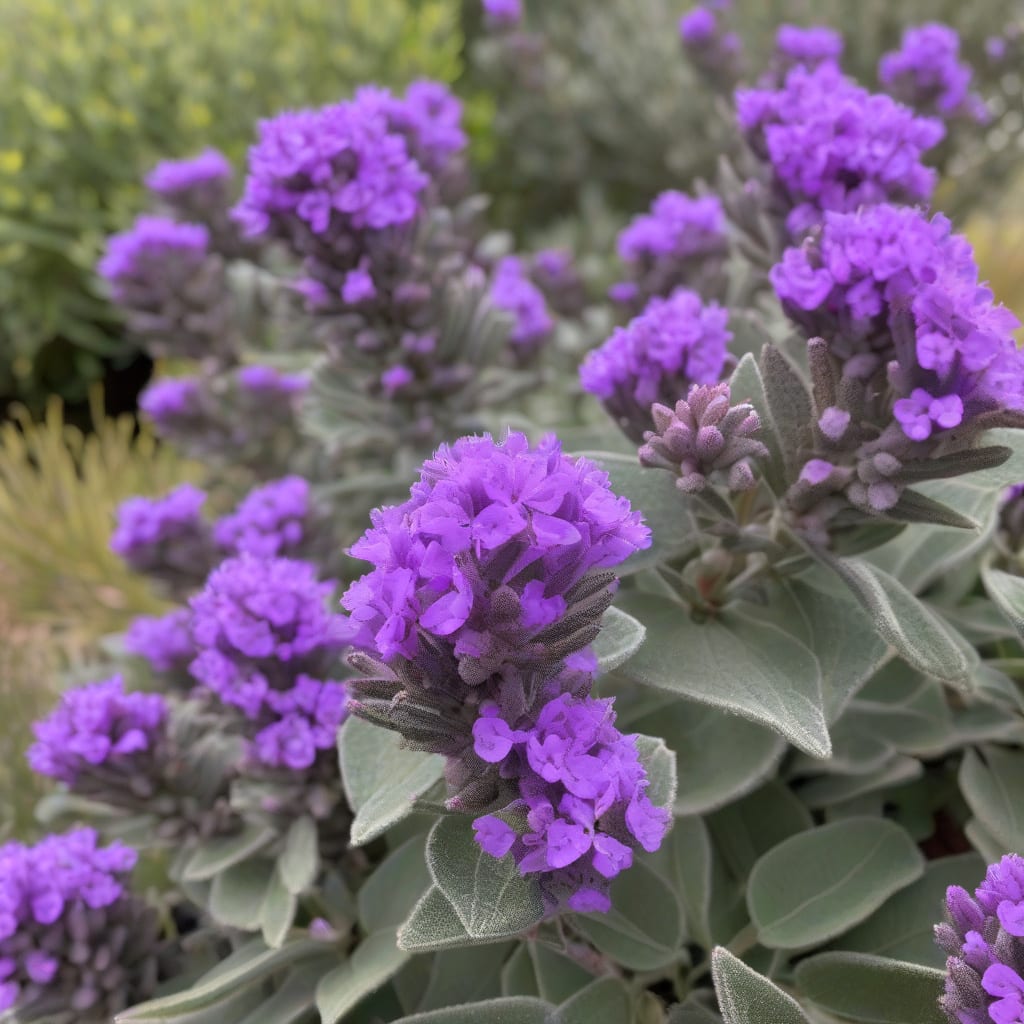
When planning your Texas garden, understanding the mature size of your plants is crucial. Texas Sage 🌿 is a popular choice for dry climates, but how tall can it really grow? Let’s explore its growth habits and what you can expect.
Texas Sage typically grows between 3 to 6 feet tall, making it perfect for hedges or borders in USDA Zone 8b. Its height can vary based on factors like soil quality and maintenance. Proper care can help you maintain the desired height while enjoying its beautiful purple flowers.


Texas Sage is known for its moderate growth rate and ability to thrive in dry climates. Understanding its growth patterns is essential for effective garden planning.
The typical height of Texas Sage ranges from 3 to 6 feet, making it an excellent choice for hedges, borders, or standalone ornamental plants in USDA Zone 8b. Its mature height can be influenced by various factors including soil quality, climate conditions, and maintenance practices 🌿.
The growth rate of Texas Sage is considered moderate, with the plant typically growing 1 to 2 feet per year under optimal conditions. Factors such as soil quality, watering, and pruning practices can significantly impact its growth rate and ultimate height.
In ideal conditions, Texas Sage can reach its maximum height within 3 to 5 years. Proper care, including regular watering during the establishment phase and occasional pruning, can help maintain a desired height while promoting healthy growth 🌱.
It’s worth noting that Texas Sage is a drought-tolerant plant, which means it can survive with minimal watering once established. However, consistent moisture during its early growth stages can help it reach its full height potential more quickly 🌟.
Pruning is another critical factor in managing the height of Texas Sage. Regular pruning not only helps control the plant’s size but also encourages denser growth and more abundant flowering. Pruning should be done in late winter or early spring to prepare the plant for the growing season.
By understanding these growth patterns and factors that influence the height of Texas Sage, gardeners can make informed decisions about planting and maintenance. Whether you’re looking to create a formal hedge or an informal border, Texas Sage offers versatility and beauty with its lush foliage and vibrant purple flowers 🌼.
For those considering Texas Sage for their landscaping needs, it’s essential to evaluate the specific growing conditions of your site. Factors such as soil drainage, sunlight exposure, and local climate variations can all impact the plant’s growth and ultimate size.
Overall, Texas Sage is a resilient and attractive addition to any drought-tolerant garden. Its ability to thrive in challenging conditions, combined with its relatively compact size, makes it an ideal choice for a variety of landscaping applications.
By providing the right conditions and care, you can enjoy the beauty and benefits of Texas Sage in your garden for years to come. Its low maintenance requirements and stunning floral display make it a favorite among gardeners in dry climates.
The height of Texas Sage can be influenced by several factors, including soil quality, climate conditions, and maintenance practices. Understanding these factors is crucial for gardeners who want to optimize the growth and health of their Texas Sage plants 🌿.
Soil quality plays a significant role in determining the height of Texas Sage. The plant thrives in well-draining soil with a slightly acidic to neutral pH. Poor soil conditions, such as heavy clay or sandy soil, can affect the plant’s growth rate and ultimate height.
To maximize Texas Sage height, ensure proper soil drainage and maintain optimal watering practices. Regular pruning also helps control height while promoting healthy growth.
Climate conditions are another critical factor affecting Texas Sage height. The plant is native to Texas and thrives in USDA Zone 8b. It prefers full sun and can tolerate high temperatures, but extreme weather conditions can impact its growth.
Maintenance practices, such as pruning and watering, also influence the height of Texas Sage. Regular pruning helps maintain a desired height, while consistent moisture during the establishment phase can promote healthy growth.
By understanding these factors and providing optimal care, gardeners can enjoy the beauty and benefits of Texas Sage in their garden. The plant’s drought tolerance and low maintenance requirements make it an ideal choice for dry climates 🌟.
In addition to proper care, gardeners should also be aware of potential challenges that can affect Texas Sage height. For example, poor soil drainage can lead to root rot, while extreme temperatures can cause stress to the plant.
Overall, Texas Sage is a resilient and attractive addition to any drought-tolerant garden. By providing the right conditions and care, gardeners can enjoy the plant’s beautiful purple flowers and lush foliage for years to come 🌼.
With proper planning and maintenance, Texas Sage can be a stunning addition to any garden. Its versatility and beauty make it a popular choice among gardeners in dry climates.
Maintaining the desired height of Texas Sage requires regular pruning and proper care. Pruning not only helps control the plant’s size but also promotes healthier growth and more abundant flowering. Understanding the best pruning techniques and timing is essential for gardeners who want to keep their Texas Sage plants looking their best 🌿.
Prune Texas Sage in late winter or early spring to maintain shape and promote healthy growth. Remove dead or damaged branches to prevent disease and encourage new growth 🌱.
The best time to prune Texas Sage is in late winter or early spring, before new growth begins. This timing helps the plant direct its energy towards producing new, healthy growth. Pruning during this period also allows gardeners to shape the plant and maintain its desired height 🌸.
When pruning Texas Sage, it’s essential to use the right techniques to avoid damaging the plant. Start by removing any dead or damaged branches, as these can be entry points for disease and pests. Next, selectively prune branches to maintain the desired shape and size of the plant 🌻.
Regular pruning also encourages Texas Sage to produce more abundant and vibrant flowers. By removing spent blooms and shaping the plant, gardeners can promote a fuller, more attractive display of flowers throughout the growing season 💐.
In addition to pruning, other maintenance practices can help maintain the desired height of Texas Sage. Proper watering and fertilization can promote healthy growth, while mulching around the base can help retain moisture and suppress weeds 🌼.
By combining regular pruning with proper care, gardeners can enjoy a thriving Texas Sage plant that remains at the desired height. With its beautiful flowers and low maintenance requirements, Texas Sage is an excellent choice for gardeners in dry climates 🌟.
