
Beautiful Plants For Your Interior
Beautiful Plants For Your Interior
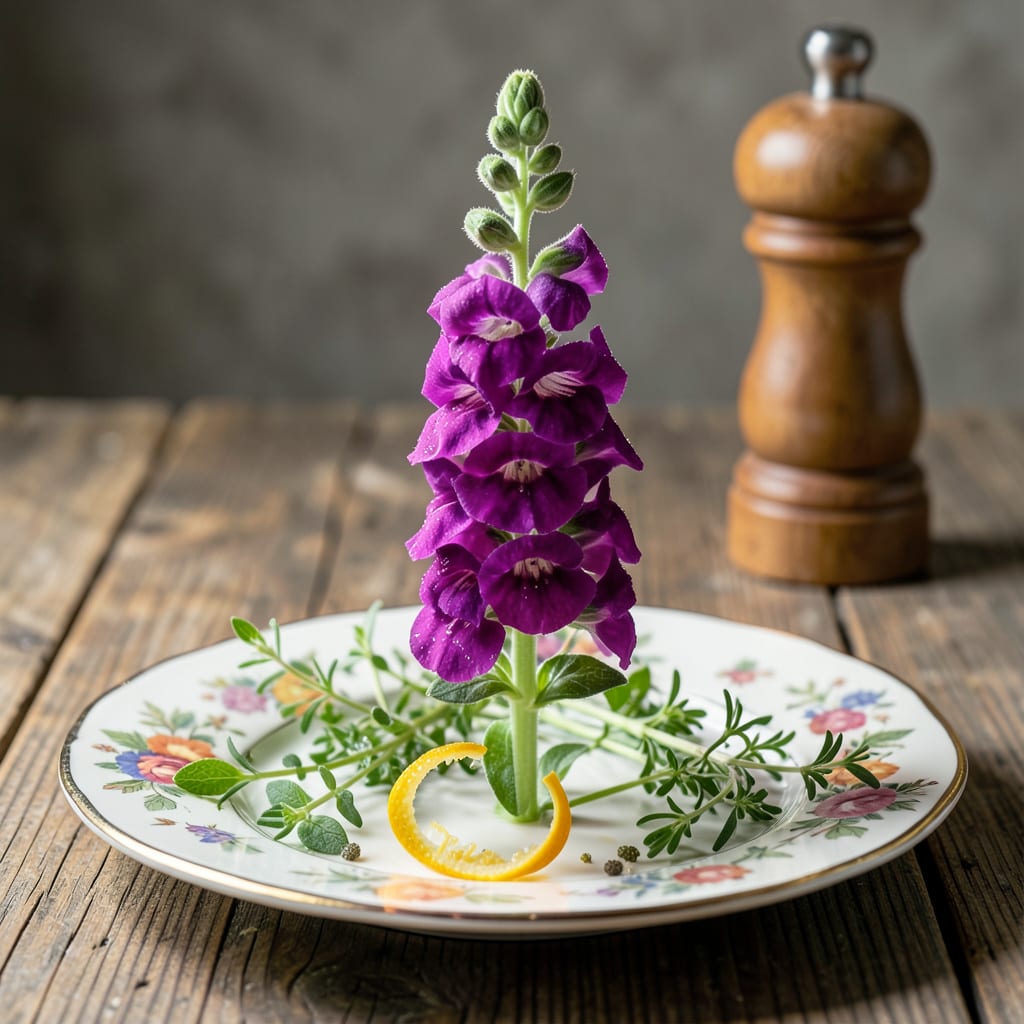
Snapdragons 💐 are a gardener’s delight, adding vibrant colors and height to any garden bed. But just how tall can these stunning flowers grow? In USDA Zone 6, they’re known to reach impressive heights.
Understanding their growth potential is key to planning your garden. Let’s explore what factors influence their height and how to maximize their growth for a breathtaking display.

2 ft

3 ft

4 ft

3-4 ft
Snapdragons are known for their impressive height, making them a standout in any garden. The height of snapdragons can vary significantly based on several factors, including the specific variety, growing conditions, and care practices. Generally, snapdragons can grow anywhere from 2 to 4 feet tall, with some varieties reaching even greater heights under optimal conditions 🌼.
The growth pattern of snapdragons is influenced by factors such as soil quality, sunlight exposure, and proper spacing. Understanding these factors is crucial for gardeners looking to maximize the height and overall health of their snapdragons. Let’s dive deeper into the specifics of what affects snapdragon growth and how to optimize these conditions.
The height of snapdragons is not just a matter of variety; it’s also significantly influenced by the growing conditions. Soil preparation plays a crucial role, as snapdragons thrive in soil that is rich in organic matter and has good drainage. Ensuring the soil is well-prepared before planting can make a significant difference in the height and overall health of the plants.
Sunlight exposure is another critical factor. Snapdragons need full sun to partial shade to grow tall and strong. In areas with less sunlight, snapdragons may become leggy as they stretch towards the light source. Therefore, choosing a location that receives ample sunlight is essential for maximizing height 🌞.
Proper spacing between snapdragon plants is also vital. Overcrowding can lead to competition for resources such as light, water, and nutrients, which can stunt growth and reduce height. By giving snapdragons enough space to grow, gardeners can help ensure they reach their full height potential.
In addition to these factors, watering practices and fertilization can also impact the height of snapdragons. Consistent moisture and appropriate fertilization can support healthy growth and encourage snapdragons to reach their maximum height.
Understanding the growth patterns and heights of snapdragons is the first step in cultivating these beautiful flowers. By considering factors such as variety selection, soil quality, sunlight exposure, and proper spacing, gardeners can create an optimal environment for their snapdragons to thrive and reach impressive heights 🌼.
For gardeners looking to maximize the height of their snapdragons, it’s essential to start with quality seeds or seedlings of a variety known for its height. Preparing the soil properly and ensuring adequate sunlight and spacing are also crucial steps in the process.
By following these guidelines and providing the right care, gardeners can enjoy snapdragons that not only reach their full height potential but also produce vibrant, colorful blooms that add beauty and interest to the garden 🌺.
Snapdragons are a versatile flower that can be used in various garden designs, from cut flower gardens to mixed borders. Their height and colorful blooms make them an excellent choice for adding vertical interest and beauty to any garden setting.
In conclusion, the height of snapdragons is influenced by a combination of factors, including variety, growing conditions, and care practices. By understanding and optimizing these factors, gardeners can grow snapdragons that are not only tall and healthy but also produce stunning blooms 🌸.
To achieve maximum height with snapdragons, gardeners need to focus on several key factors. First, fertilization plays a crucial role in promoting healthy growth. Using a balanced fertilizer (10-10-10 NPK) every 4-6 weeks can provide the necessary nutrients for optimal development 🌼.
Staking is another important technique for maximizing snapdragon height. As the plants grow taller, they may need support to prevent them from toppling over in the wind. Using stakes or trellises can help keep the plants upright and encourage them to grow even taller 🌻.
Water snapdragons weekly, providing about 1 cup (250ml) of water per plant. Adjust based on weather conditions to maintain consistent moisture 💧.
Remove spent flowers regularly to encourage the plant to focus energy on growing taller rather than seed production ✂️.
Ensure the soil is well-draining and fertile, with a pH between 6.0 and 7.0. Add organic matter to improve soil quality 🌿.
In addition to these techniques, maintaining proper spacing between snapdragon plants is vital. Overcrowding can lead to competition for resources, which can negatively impact height. By giving snapdragons enough space, gardeners can help ensure they reach their full potential 🌸.
Monitoring for pests and diseases is also crucial. Regularly inspect your plants for signs of trouble and take action promptly to prevent any issues from affecting their growth 📝.
By implementing these expert gardening tips, gardeners can maximize the height of their snapdragons and enjoy a stunning display of colorful blooms 🌺.
Maximizing snapdragon height requires attention to detail and a commitment to providing optimal growing conditions. With the right care and techniques, gardeners can achieve impressive results 🌼.
In summary, by focusing on fertilization, staking, proper watering, and pruning, gardeners can help their snapdragons reach their maximum height potential and add beauty to their garden 🌸.
Growing snapdragons to their full height potential can be challenging due to several common mistakes gardeners make. One of the most significant errors is overcrowding, which leads to competition for resources like light, water, and nutrients. This can result in stunted growth and reduced height 🌼.
Common pitfalls include overcrowding, poor soil preparation, and inadequate support. These can significantly limit snapdragon height and overall health.
Inadequate support is another critical mistake. Snapdragons can grow quite tall and may need staking to prevent them from toppling over in the wind. Without proper support, these plants can become damaged, affecting their ability to grow tall and strong 💪.
Poor soil preparation is also a common issue. Snapdragons thrive in well-draining, fertile soil with a pH between 6.0 and 7.0. Failing to prepare the soil properly before planting can hinder growth and reduce the plant’s height potential 🌱.
Pests and diseases can also significantly impact snapdragon height. Regular monitoring and prompt action are necessary to prevent issues like aphids, spider mites, and fungal infections from affecting plant growth 📝.
By avoiding these common mistakes, gardeners can create an optimal environment for their snapdragons to thrive. Proper spacing, support, soil preparation, and pest management are crucial for maximizing height 🌺.
In summary, being aware of and avoiding common pitfalls can help gardeners grow snapdragons that reach their full height potential and produce stunning blooms 🌸.
