
Beautiful Plants For Your Interior
Beautiful Plants For Your Interior
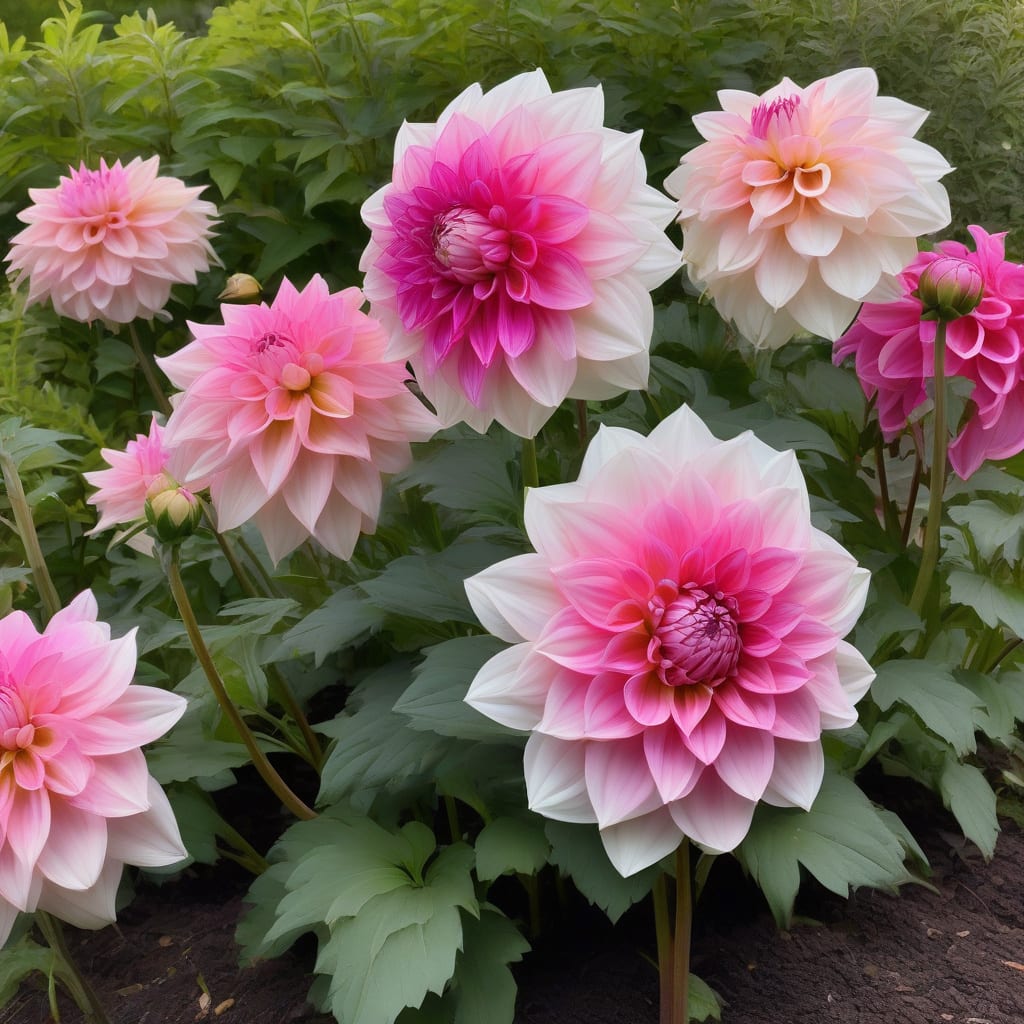
As a gardener, I’ve always been fascinated by dahlias 💐 – their vibrant blooms and impressive height make them a standout in any garden. But have you ever wondered just how tall these beautiful flowers can grow?
Dahlias can reach heights of 2-6 feet, depending on the variety and growing conditions in your USDA Zone 6 garden. Let’s explore the factors that influence their growth and how to encourage these stunning plants to reach their full potential.

Dahlias are known for their impressive height, but understanding the factors that influence their growth is crucial for maximizing their potential. The height of dahlias can vary significantly based on several key factors.
The variety of dahlia is one of the primary factors affecting its height. Different varieties have been bred for specific characteristics, including height. Some dahlias are naturally more compact, while others can grow quite tall.
Understanding these factors is essential for gardeners looking to maximize their dahlia’s height. By selecting the right variety and providing optimal growing conditions, gardeners can encourage their dahlias to reach their full height potential 🌼.
The variety of dahlia plays a significant role in determining its height. Some dahlias are naturally more compact, growing to heights of 2-3 feet, while others can reach 6 feet or more. Choosing a variety known for its height can be the first step in achieving taller plants.
Soil quality is another critical factor. Dahlias thrive in well-draining, nutrient-rich soil. Amending the soil with compost or well-rotted manure can significantly impact the plant’s ability to grow tall and strong.
Sunlight is essential for dahlias to reach their full height potential. These plants require full sun, meaning at least 6 hours of direct sunlight per day. Inadequate sunlight can result in weaker, shorter plants.
Watering practices also play a crucial role. Dahlias need consistent moisture, especially when they’re producing buds and flowers. However, overwatering can be detrimental, leading to root rot and stunted growth.
Fertilization is another factor that can influence dahlia height. Using a balanced fertilizer during the growing season can promote healthy growth and maximize height. It’s essential to follow the manufacturer’s instructions to avoid overfertilizing.
By considering these factors and providing optimal care, gardeners can encourage their dahlias to grow tall and healthy, maximizing their potential height and enjoying a spectacular display of blooms 🌺.
To summarize, the height of dahlias is influenced by a combination of factors including variety, soil quality, sunlight, watering, and fertilization. By understanding and addressing these factors, gardeners can create the ideal conditions for their dahlias to thrive and reach their maximum height potential 🌱.
To encourage dahlias to reach their full height potential, gardeners can employ several expert techniques. First, it’s essential to understand that dahlias are heavy feeders and require proper nutrition to grow tall and strong.
One effective method is to use staking to provide support for the plants as they grow. This helps prevent damage from wind and rain, allowing the dahlias to focus their energy on growing taller.
Choose firm, plump tubers with visible eyes for the best chance of growing tall, healthy plants 🌼.
Use a balanced fertilizer during the growing season to promote healthy growth and maximize height 🌿.
Dahlias need consistent moisture, especially when producing buds and flowers 💧.
In addition to these techniques, gardeners should also be mindful of the overall growing conditions for their dahlias. This includes providing full sun and maintaining well-draining soil to support healthy growth.
By following these expert tips and providing optimal care, gardeners can encourage their dahlias to grow tall and healthy, maximizing their potential height and enjoying a spectacular display of blooms 🌺.
To further support dahlia growth, consider adding a layer of compost around the base of the plants. This will help retain moisture and provide additional nutrients.
Regular monitoring of the plants is also crucial. Keep an eye out for signs of pests or diseases, and take action promptly if you notice any issues.
By combining these strategies, gardeners can create an ideal environment for their dahlias to thrive and reach their maximum height potential 🌱.
Growing dahlias to their full height potential requires careful attention to their needs. However, many gardeners unintentionally make mistakes that can limit their dahlia’s growth. Understanding these common pitfalls is crucial for achieving optimal height.
Many gardeners make simple mistakes that can significantly impact dahlia height. By being aware of these common errors, you can take steps to prevent them and encourage healthy growth 🌿.
One of the most common mistakes is planting tubers too deeply. Dahlias should be planted with the eye (the small bud from which the stem emerges) about 2-4 inches below the soil surface. Planting too deeply can delay emergence and reduce overall height.
Inadequate support is another critical error. Dahlias can grow quite tall and may require staking to prevent them from toppling over in the wind. Without proper support, the plants can become damaged, stunting their growth.
Poor soil preparation can also limit dahlia height. Failing to amend the soil with organic matter like compost can result in nutrient deficiencies that hinder growth. Ensuring the soil is well-draining and rich in nutrients is essential for optimal height.
To avoid these mistakes, gardeners should focus on providing optimal growing conditions. This includes proper planting depth, adequate support, and good soil preparation. By doing so, they can encourage their dahlias to grow tall and healthy, maximizing their potential height and enjoying a spectacular display of blooms 🌺.
Regular monitoring of the plants is also crucial. Keep an eye out for signs of pests or diseases, and take action promptly if you notice any issues. By being proactive, gardeners can prevent problems that might otherwise stunt their dahlia’s growth 🌱.
