
Beautiful Plants For Your Interior
Beautiful Plants For Your Interior
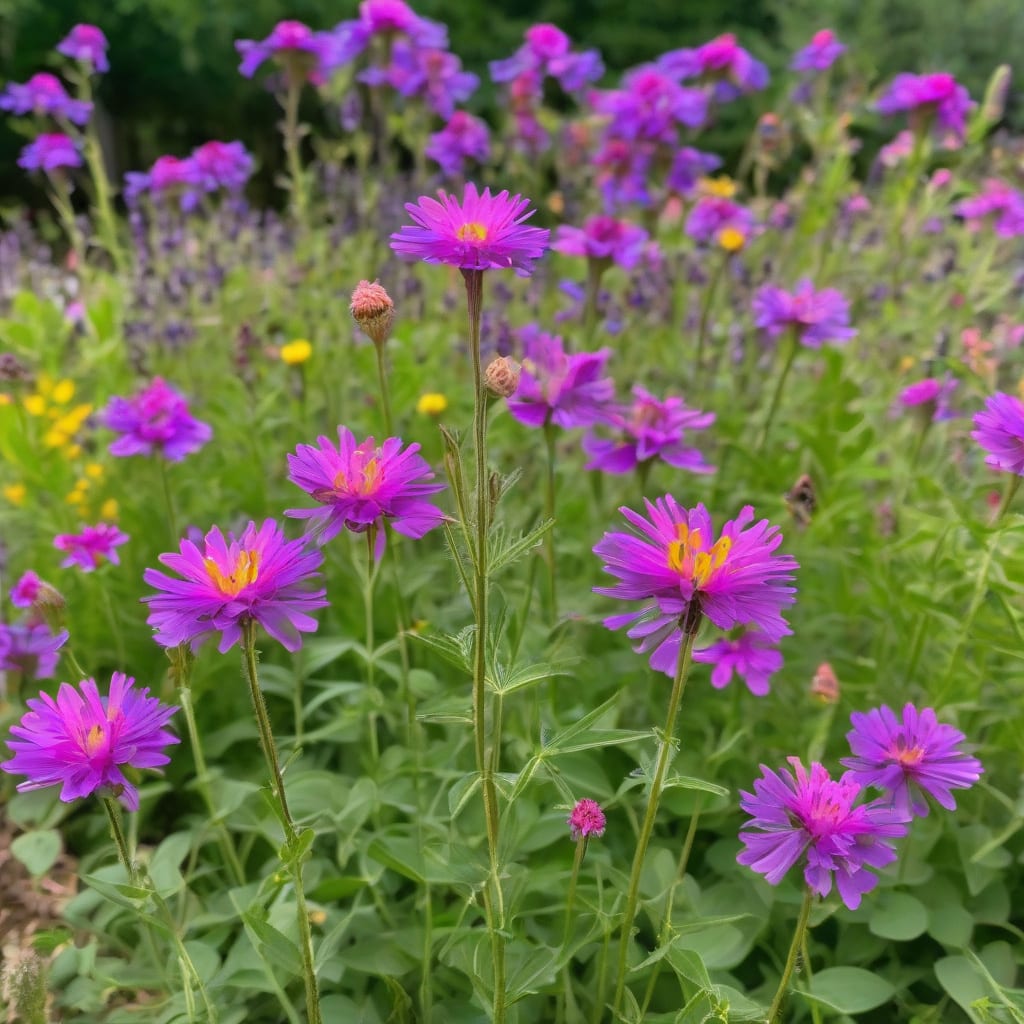
When planting 💐 Wildflowers in USDA Zone 6, understanding their growth patterns is key to creating stunning displays. The height of these beautiful flowers can vary greatly depending on the species and growing conditions.
Factors such as soil quality, sunlight, and watering conditions all play a role in determining how tall your Wildflowers will grow, typically ranging from 1 to 6 feet tall.


Wildflowers come in a variety of species, each with its own characteristic growth height. Understanding these height ranges is essential for creating a balanced and visually appealing garden display. The height of wildflowers can vary significantly, from dwarf varieties that grow only a few inches tall to tall native species that can reach several feet in height.
The average height range for most wildflowers typically falls between 1 to 6 feet, with some species growing taller or shorter depending on the specific type and growing conditions. Factors such as soil quality, sunlight exposure, and watering conditions all play a role in determining the final height of wildflowers.
Some popular types of wildflowers and their typical height ranges include California’s poppy, black-eyed Susans, and cosmos. California’s poppy typically grows to be around 1-3 feet tall, while black-eyed Susans usually reach heights of 2-3 feet. Cosmos, on the other hand, can grow quite tall, often reaching heights of 3-6 feet or more.
The height of wildflowers can also be influenced by the specific growing conditions in your garden. Factors such as soil fertility, moisture levels, and temperature can all impact the final height of your wildflowers. By understanding these factors and choosing the right species for your garden, you can create a beautiful and thriving wildflower display 🌼.
When selecting wildflowers for your garden, it’s essential to consider the mature height of the plants to ensure they have enough space to grow and flourish. This will help prevent overcrowding and promote healthy growth.
In addition to their height, wildflowers also vary in terms of their bloom times and color profiles. By choosing a mix of species with different bloom times, you can create a dynamic and constantly changing display of color in your garden throughout the growing season.
Overall, understanding the typical height ranges for different wildflower species is crucial for creating a beautiful and thriving garden display. By selecting the right species for your garden and providing optimal growing conditions, you can enjoy a stunning display of wildflowers that will attract pollinators and add natural beauty to your landscape 🌻.
To achieve the best results, it’s also important to consider companion planting strategies that can help support the growth and health of your wildflowers. This includes choosing plants that complement the height and growth habits of your wildflowers.
By combining this knowledge with proper garden maintenance techniques, such as regular watering and fertilization, you can create a vibrant and sustainable wildflower garden that will thrive for years to come.
For more specific guidance on growing wildflowers in your area, be sure to consult with local gardening experts or check the specific growing requirements for your USDA zone.
Understanding the factors that influence wildflower growth height is crucial for creating a beautiful and thriving garden display. The height of wildflowers can be affected by several key factors, including soil quality, sunlight exposure, and watering conditions.
Soil quality plays a significant role in determining the height of wildflowers. Well-draining soil with a mix of nutrients and organic matter can support healthy growth and promote taller stems. On the other hand, poor soil quality can limit growth and result in shorter plants 🌿.
Soil quality, sunlight, watering, and climate all impact wildflower growth height. Understanding these factors helps you create optimal growing conditions.
Sunlight exposure is another critical factor that affects wildflower height. Most wildflowers require full sun to partial shade to grow and bloom properly. Inadequate sunlight can result in leggy growth or reduced flowering 🌻.
Watering conditions also play a significant role in determining wildflower height. Adequate moisture is essential for healthy growth, but overwatering can be detrimental. Wildflowers generally prefer well-drained soil and can be susceptible to root rot if the soil is too wet 💧.
Climate is another important factor that can impact wildflower height. Extreme temperatures, drought, or excessive rainfall can all affect growth and development. Understanding your local climate and choosing wildflower species that are adapted to your region can help ensure optimal growth 🌟.
By understanding these factors and providing optimal growing conditions, you can promote healthy growth and encourage your wildflowers to reach their full potential height. This includes selecting the right species for your garden and providing the necessary care and maintenance 🌱.
Regular monitoring of your wildflowers’ growth and adjusting your care strategies as needed can also help you achieve the best results. This may involve adjusting your watering schedule, providing support for tall stems, or implementing pest management strategies to protect your plants 🐜.
By combining this knowledge with proper garden maintenance techniques, you can create a vibrant and sustainable wildflower garden that will thrive for years to come 🌼.
When growing wildflowers in garden settings, managing their height is crucial for creating a visually appealing display. The height of wildflowers can vary significantly depending on the species and growing conditions 🌼.
To control the height of wildflowers, you can use several strategies, including pruning, soil management, and companion planting. Pruning involves cutting back the stems of wildflowers to encourage bushy growth and prevent them from becoming too leggy ✂️.
Prune wildflowers regularly to encourage bushy growth and prevent leggy stems. This will help create a more compact and visually appealing display 🌿.
Soil management is another critical factor in controlling wildflower height. Well-draining soil with a mix of nutrients and organic matter can support healthy growth and promote optimal height 🌿.
Companion planting involves pairing wildflowers with other plants that complement their growth habits and height. This can help create a more balanced and visually appealing garden display 🌻.
By combining these strategies, you can create a beautiful and thriving wildflower garden that showcases their natural beauty and attracts pollinators 🌼.
Regular monitoring of your wildflowers’ growth and adjusting your care strategies as needed can also help you achieve the best results. This may involve adjusting your watering schedule or providing support for tall stems 🌟.
