
Beautiful Plants For Your Interior
Beautiful Plants For Your Interior
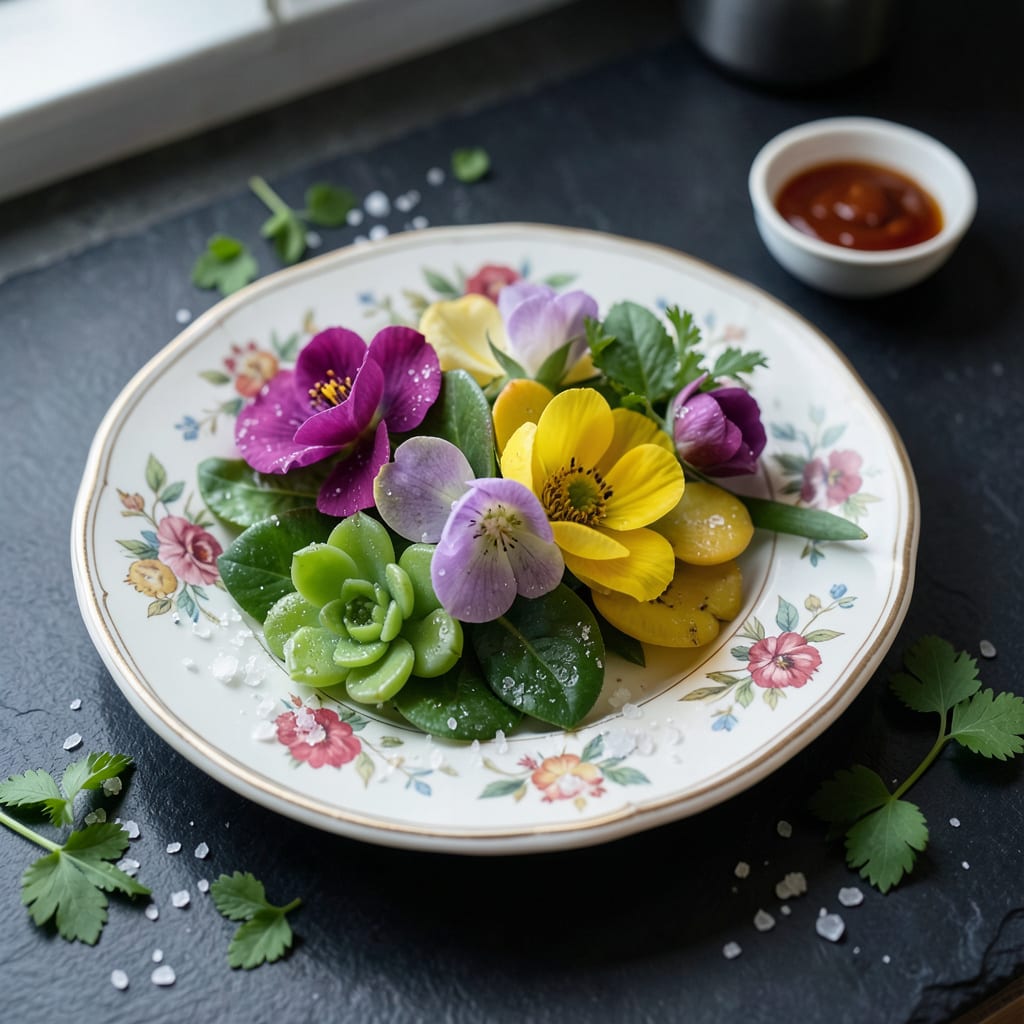
Fertilizing your 💐 flowers at the right time can make all the difference between lackluster blooms and a vibrant garden display. In spring, your flowers need a boost to get started.
I recommend fertilizing your 💐 Flower in General areas, USDA Zone 6, during the growing season. The key is to provide nutrients when they’re needed most – let’s explore the best times to fertilize for maximum blooming success.

Understanding when to fertilize your flowers can be crucial for their growth and blooming success. The key is to provide nutrients during their active growing periods. For most flowers, the growing season typically starts in spring and continues through summer.
I recommend fertilizing your flowers based on their specific growth stages and types. Different flowers have different needs, and understanding these needs is essential for optimal fertilization. Let’s explore the best times to fertilize various types of flowers 🌼.
The fertilization schedule should be adjusted according to the specific needs of your flowers. For instance, annual flowers may require more frequent fertilization compared to perennials. It’s also important to consider the soil type and its nutrient content 🌱.
Spring-blooming flowers typically benefit from fertilization in late winter to early spring. This helps them produce robust growth and abundant blooms. Examples include tulips and daffodils. On the other hand, summer-blooming flowers like roses and daylilies benefit from fertilization in late spring to early summer 🌻.
For container-grown flowers, more frequent fertilization may be necessary due to the limited soil volume. A water-soluble fertilizer can be particularly effective for these plants, as it can be applied directly to the soil or foliage 🌱.
Climate and weather conditions also play a significant role in determining the best fertilization times. In regions with mild winters, some flowers may continue to grow throughout the year, requiring adjusted fertilization schedules. Conversely, in areas with harsh winters, fertilization should be avoided during the dormant season to prevent unnecessary stress on the plants ❄️.
Understanding the specific needs of your flowers and the local growing conditions is key to developing an effective fertilization strategy. By fertilizing at the right times and using the appropriate types of fertilizers, you can promote healthy growth and maximize blooming success 🌟.
I always recommend keeping a fertilization log to track when and how you fertilize your flowers. This helps in fine-tuning your fertilization schedule based on observed results and adjustments for future seasons 📝.
By following these guidelines and tailoring your fertilization practices to the specific needs of your flowers, you can enjoy a vibrant and thriving garden throughout the growing season 🌼.
For more detailed information on fertilizing specific types of flowers, consider consulting gardening experts or referring to reputable gardening resources. They can provide additional insights and tips tailored to your local climate and soil conditions 📚.
Fertilizing flowers is an art that requires understanding the right techniques and timing. To achieve maximum blooming success, it’s essential to choose the right fertilizer and apply it correctly 🌼.
I recommend starting with a soil test to determine your garden’s nutrient needs. This helps you select the most appropriate fertilizer for your flowers. Most flowers benefit from a balanced fertilizer with an NPK ratio of 10-10-10.
For maximum blooming success, fertilize your flowers during their active growing periods. Use a high-phosphorus fertilizer during the pre-bloom stage to encourage blooming.
When applying fertilizer, it’s crucial to follow the manufacturer’s instructions to avoid over-fertilization. Too much fertilizer can damage your plants and the environment. I always recommend starting with a diluted solution and adjusting as needed based on plant response 🌱.
The timing of fertilization is also critical. For most flowers, fertilizing in the early morning or late afternoon is best. This allows the plants to absorb the nutrients throughout the day or night without the stress of midday heat ☀️.
Watering after fertilization is essential to help the nutrients reach the roots. Ensure the soil is moist but not waterlogged, as this can lead to root rot and other issues 💧.
For container-grown flowers, more frequent fertilization may be necessary due to the limited soil volume. A water-soluble fertilizer can be particularly effective for these plants, as it can be applied directly to the soil or foliage 📦.
Understanding the specific needs of your flowers and adjusting your fertilization practices accordingly is key to achieving maximum blooming success. By following these guidelines and being mindful of your plants’ needs, you can enjoy a vibrant and thriving garden 🌻.
I always recommend keeping a fertilization log to track when and how you fertilize your flowers. This helps in fine-tuning your fertilization schedule based on observed results and adjustments for future seasons 📝.
For more detailed information on fertilizing specific types of flowers, consider consulting gardening experts or referring to reputable gardening resources. They can provide additional insights and tips tailored to your local climate and soil conditions 📚.
Understanding the specific fertilization needs of flowers at different growth stages is crucial for maximizing their blooming potential. Whether you’re nurturing young seedlings or established plants, tailored fertilization can make a significant difference 🌼.
I recommend adjusting your fertilization strategy based on the growth stage of your flowers. Different stages require different nutrient balances to support healthy development and abundant blooming. Let’s explore the key fertilization strategies for various growth stages 🌱.
At planting time, use a starter fertilizer with a higher phosphorus content to promote root development and establishment.
During the active growth phase, switch to a balanced fertilizer (10-10-10 NPK) to support overall plant health and development.
As flowers prepare to bloom, use a high-phosphorus fertilizer (15-30-15 NPK) to encourage blooming and flower production.
After blooming, resume using a balanced fertilizer to support overall plant health and prepare for the next growing season.
By tailoring your fertilization practices to the specific growth stages of your flowers, you can promote healthy growth, maximize blooming success, and enjoy a vibrant garden display 🌻.
For more detailed information on fertilizing specific types of flowers, consider consulting gardening experts or referring to reputable gardening resources. They can provide additional insights and tips tailored to your local climate and soil conditions 📚.
Fertilize your flowers every 4-6 weeks during the growing season. The frequency may vary depending on the type of flowers and the fertilizer used. For container-grown flowers, more frequent fertilization may be necessary. Always follow the manufacturer’s instructions for the best results .
A balanced fertilizer with an NPK ratio of 10-10-10 is generally recommended for most flowers. However, during the pre-bloom stage, a high-phosphorus fertilizer (15-30-15 NPK) can encourage blooming. Consider getting a soil test to determine your garden’s specific nutrient needs .
It’s best to fertilize flowers during mild weather. Avoid fertilizing during extreme heat or when plants are under stress. Early morning or late afternoon are ideal times for fertilization, allowing plants to absorb nutrients without the stress of midday heat .
Signs of over-fertilization include burned leaves, weak growth, and reduced blooming. If you notice these symptoms, stop fertilizing and flush the soil with water to remove excess nutrients. Always follow the recommended application rates to avoid over-fertilization .
