
Beautiful Plants For Your Interior
Beautiful Plants For Your Interior
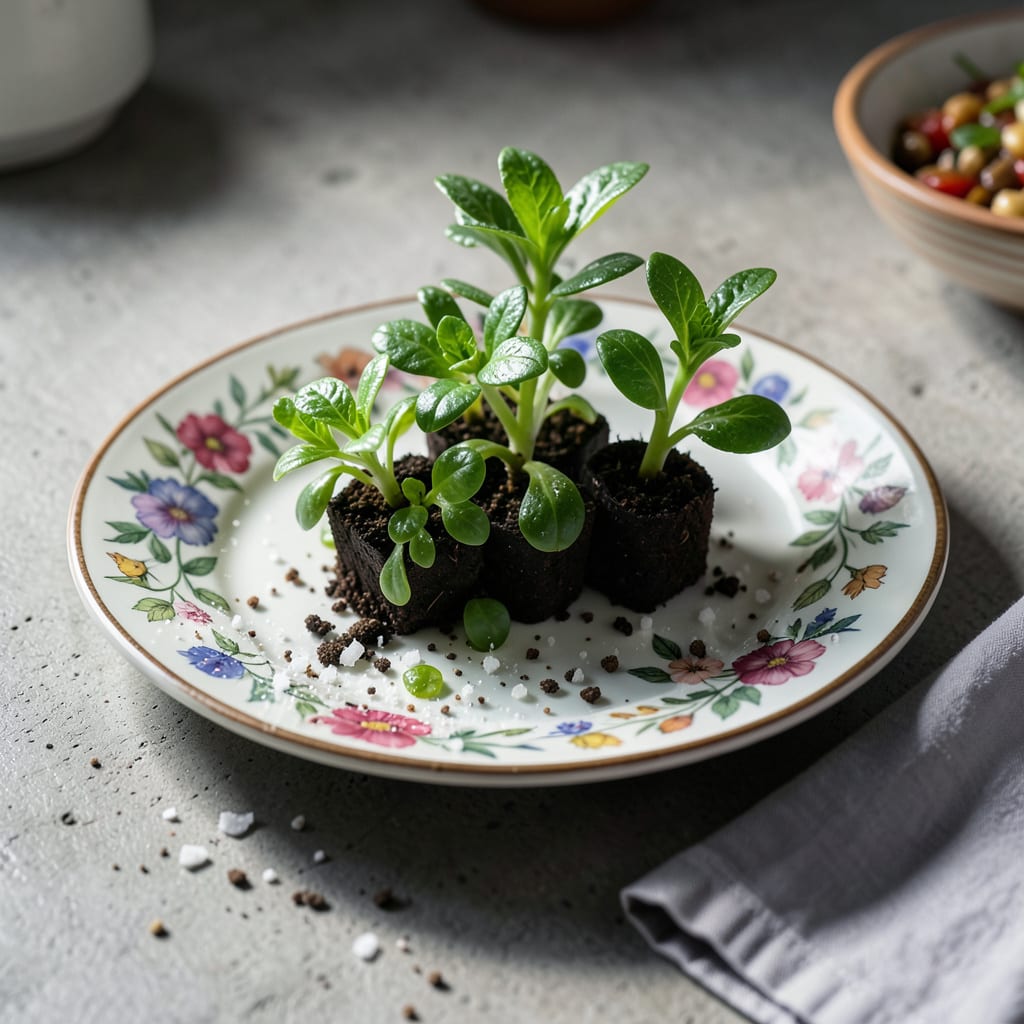
Fertilizing your Tomato 🍅 plants at the right time is crucial for a bountiful harvest. In USDA Zone 6, understanding when to provide essential nutrients can make all the difference in your gardening success.
I’ll guide you through the best times to fertilize, helping you give your plants the boost they need to thrive during the spring growing season.

Understanding when to fertilize plants is crucial for their growth and health. Fertilization timing can significantly impact plant development, yield, and overall garden success. I’ll explain the importance of timing in plant fertilization, including growth cycles and seasonal considerations 🌟.
Fertilizing at the right time ensures that plants receive essential nutrients when they need them most. For Tomato plants 🍅, this means providing nutrients during critical growth stages. Proper timing helps maximize growth potential and fruit production.
The fertilization schedule for Tomato plants varies by season. In spring, when plants are actively growing, they require more frequent fertilization. During summer, continue to feed plants regularly to support fruit production. In fall and winter, reduce or stop fertilizing as plant growth slows down 🌱.
Soil type and condition also play a significant role in determining fertilization timing. For example, sandy soils may require more frequent fertilization due to nutrient leaching, while clay soils may need less frequent applications. Understanding your soil’s characteristics helps tailor your fertilization strategy effectively 🌿.
Climate and weather conditions can also impact fertilization timing. In areas with heavy rainfall, nutrients may leach from the soil more, requiring more frequent applications. Conversely, during drought conditions, plants may require less frequent fertilization as their growth slows ⚖️.
To optimize fertilization timing, consider the following key factors:
1. Plant growth stage
2. Seasonal growth patterns
3. Soil characteristics
4. Climate and weather conditions
By understanding these elements, you can develop a fertilization schedule that meets your Tomato plants’ needs and promotes healthy, productive growth 🌟.
Fertilizing at the correct time is not just about providing nutrients; it’s about creating an environment that supports overall plant health and maximizes yield potential. By paying attention to these factors, you can ensure your Tomato plants receive the right nutrients at the right time, leading to a successful harvest 🍅.
For more specific guidance on fertilizing Tomato plants, including detailed schedules and product recommendations, continue reading the next sections. Understanding the nuances of fertilization timing will help you become a more effective gardener and enjoy a bountiful harvest 🌼.
Effective fertilization is a critical component of successful gardening. By mastering the art of fertilization timing, you can significantly improve your Tomato plants’ health and productivity. This knowledge, combined with other good gardening practices, will help you achieve your gardening goals 🏆.
Fertilizing plants at the right growth stage is crucial for their development and productivity. I’ll share practical tips for fertilizing Tomato plants during various growth stages, from seedling to maturity 🍅.
During the seedling stage, Tomato plants require gentle care. Start with a balanced fertilizer (10-10-10 NPK) at half strength to promote healthy growth 🌱.
Begin with a balanced fertilizer at half strength to prevent burning young roots.
Apply a starter fertilizer high in phosphorus to promote root development and establishment.
Switch to a high potassium fertilizer to support fruit development and overall plant health.
As Tomato plants grow, their fertilizer needs change. During the fruiting stage, they require more potassium to support fruit development. Adjust your fertilization strategy accordingly to ensure optimal growth and fruit production 🌼.
Soil type and condition also impact fertilization needs. For example, sandy soils may require more frequent fertilization, while clay soils may need less frequent applications. Understanding your soil’s characteristics helps tailor your fertilization strategy effectively 🌿.
Climate and weather conditions also play a role in fertilization. In areas with heavy rainfall, nutrients may leach from the soil, requiring more frequent applications. During drought conditions, plants may require less frequent fertilization as their growth slows ⚖️.
To optimize fertilization, consider the following key factors:
1. Plant growth stage
2. Soil characteristics
3. Climate and weather conditions
By understanding these elements, you can develop a fertilization schedule that meets your Tomato plants’ needs and promotes healthy growth 🌟.
Effective fertilization is critical for successful gardening. By mastering the art of fertilization timing and adjusting for different growth stages, you can significantly improve your Tomato plants’ health and productivity. This knowledge, combined with other good gardening practices, will help you achieve your gardening goals 🏆.
Fertilizing plants can be a delicate process, and making mistakes can have negative consequences on their growth and health. I’ll discuss common errors to avoid when fertilizing Tomato plants 🍅.
One of the most common mistakes is over-fertilizing. This can cause nutrient burn, damaging the roots and leaves of the plant. To avoid this, always follow the recommended fertilizer application rates and take into account the plant’s growth stage 🌟.
Over-fertilizing can cause irreversible damage to your Tomato plants. Always follow recommended application rates.
Another mistake is fertilizing at the wrong time. Fertilizing during extreme weather conditions, such as intense heat or drought, can stress the plants further. Instead, fertilize during mild weather when plants are actively growing 🌿.
Inadequate soil preparation is also a common error. Failing to test the soil pH and nutrient levels can lead to imbalanced fertilization. Always test your soil before fertilizing to determine its nutrient needs 🔍.
To avoid these mistakes, consider the following best practices:
1. Follow recommended fertilizer application rates
2. Fertilize during mild weather
3. Test your soil before fertilizing
By following these guidelines, you can ensure your Tomato plants receive the right nutrients at the right time, promoting healthy growth and maximizing yield potential 🌼.
By being aware of these common mistakes and taking steps to avoid them, you can significantly improve your Tomato plants’ health and productivity. This knowledge, combined with other good gardening practices, will help you achieve your gardening goals 🏆.
Fertilize your Tomato plants every 4-6 weeks during the growing season. Start with a balanced fertilizer (10-10-10 NPK) at half strength. Adjust based on plant growth and soil conditions.
The best time to fertilize is in the early morning when plants are most receptive. Avoid fertilizing during the hottest part of the day to prevent burning the roots.
No, it’s best to avoid fertilizing during extreme weather conditions like intense heat or drought. Fertilize during mild weather when plants are actively growing to ensure optimal absorption.
Watch for signs of nutrient burn, such as yellowing or browning leaves. If you notice these symptoms, stop fertilizing and flush the soil with water to remove excess nutrients.
