
Beautiful Plants For Your Interior
Beautiful Plants For Your Interior
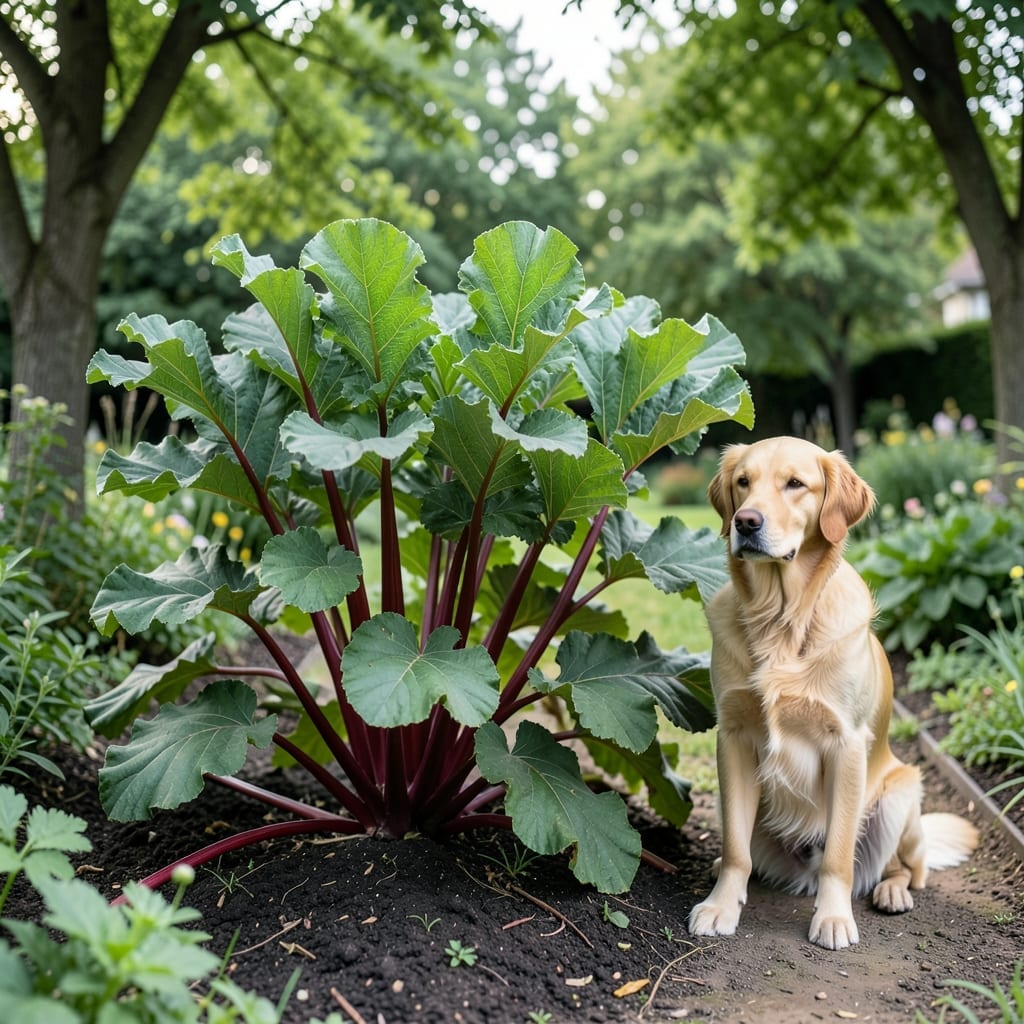
Rhubarb leaves contain oxalic acid and anthraquinone glycosides, which are highly toxic to dogs. Ingestion can cause severe poisoning, including vomiting, diarrhea, tremors, and kidney failure. Immediate veterinary care is critical.
The toxicity stems from compounds that disrupt calcium metabolism and damage kidney function in canines. Even small amounts can trigger severe symptoms within hours, so pet owners must act fast. I always recommend keeping rhubarb plants out of reach and educating family members about this hidden danger. 🔥
💡 In This Article
The toxicity comes from two primary compounds: oxalic acid and anthraquinone glycosides. Oxalic acid binds with calcium in a dog’s body, forming insoluble calcium oxalate crystals that damage the kidneys. These crystals can accumulate in the urinary tract, leading to painful blockages and renal failure.
Anthraquinone glycosides, meanwhile, act as powerful laxatives, causing severe gastrointestinal irritation and dehydration.
Oxalic acid concentration in rhubarb leaves is exceptionally high—approximately 0.5-1.5% by weight. To put this in perspective, a medium-sized dog weighing 30 lbs could experience toxic effects from consuming as little as 1-2 leaves. The anthraquinones amplify the danger by increasing gut motility, which accelerates the absorption of oxalates into the bloodstream.
This dual mechanism makes rhubarb leaves far more hazardous than the stalks, which contain only trace amounts of these compounds. 🔥
Symptoms typically appear within 1-2 hours of ingestion. Early signs include drooling, loss of appetite, and vomiting. As the toxins spread, dogs may develop tremors, weakness, and bloody diarrhea. In severe cases, the kidneys begin to fail, leading to increased thirst, decreased urination, and potentially fatal electrolyte imbalances.
The progression can be rapid, with critical symptoms developing within 6-12 hours without intervention.
What makes this particularly insidious is that dogs are often attracted to the leaves due to their slightly bitter, earthy scent. Unlike humans, canines don’t instinctively avoid plants that are harmful to them. Even compost containing rhubarb leaves can be dangerous, as the toxins remain potent even after the plant material begins to decompose.
This is why immediate removal of any rhubarb plant material from your dog’s environment is essential. ⚡
The physiological impact varies by size and health. Smaller breeds and dogs with pre-existing kidney conditions are at higher risk. For example, a 10 lb Chihuahua could suffer severe poisoning from just half a leaf, while a 70 lb Labrador might show milder symptoms from the same amount.
However, all cases require urgent veterinary attention, as the damage can become irreversible without prompt treatment. 💫
They contain oxalic acid and anthraquinones, which form harmful crystals in a dog’s kidneys. Even small amounts can cause severe damage within 1-2 hours.
A 30 lb dog may be poisoned by just 1-2 leaves. Smaller breeds are at higher risk, with as little as half a leaf causing serious symptoms.
Early symptoms include drooling, vomiting, and loss of appetite. These can progress to tremors and bloody diarrhea within 6-12 hours without treatment.
No, never attempt home treatment. Call your vet or the ASPCA Poison Control Center at 888-426-4435 immediately for professional guidance.
While stalks contain far less toxin, they still have trace amounts. It’s best to avoid giving any part of rhubarb to dogs to eliminate risk entirely.