
Beautiful Plants For Your Interior
Beautiful Plants For Your Interior
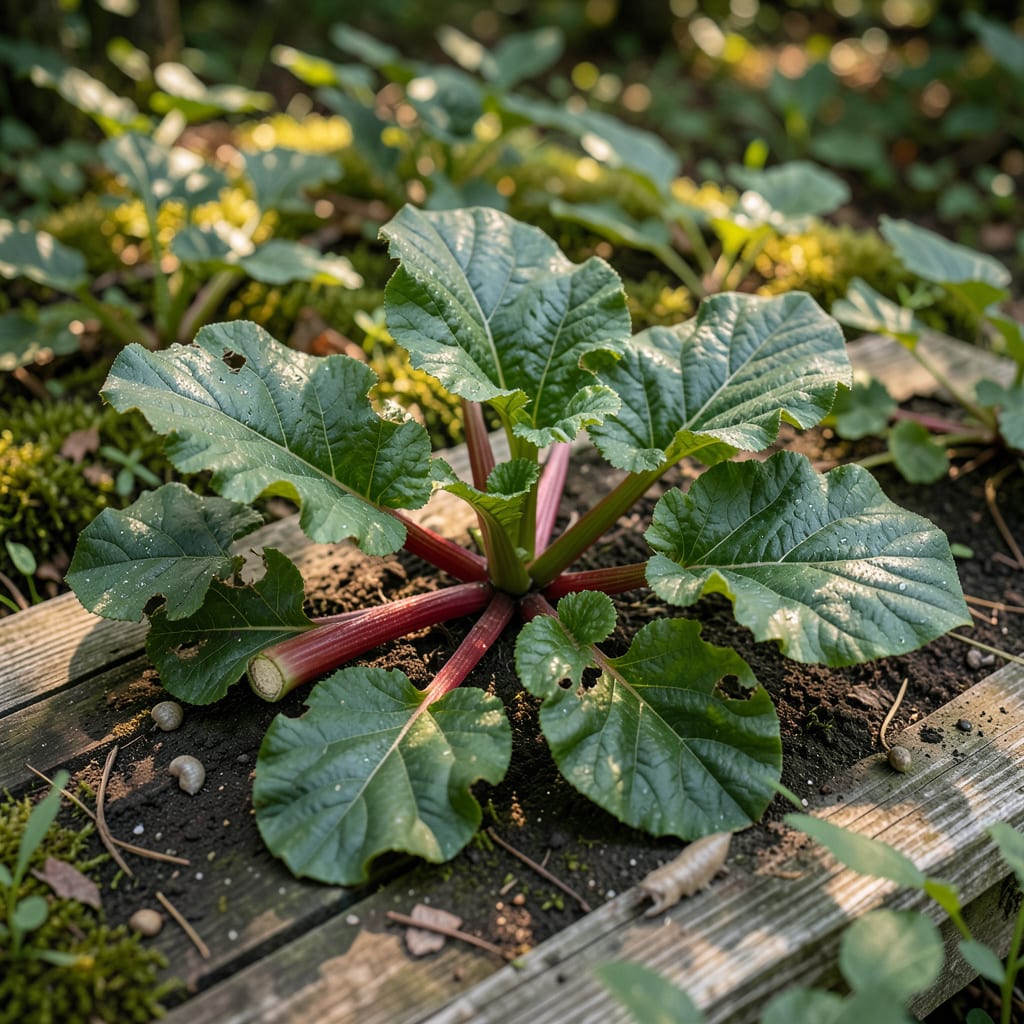
I’ve lost my share of rhubarb plants to mysterious leaf-munchers overnight. The usual suspects are deer, rabbits, and slugs—each leaving distinct damage patterns in their wake.
Rhubarb leaves contain oxalic acid, which deters many animals, but these pests still brave the risk. You’ll spot jagged edges from deer, clean cuts from rabbits, or slimy trails from slugs. Fencing and organic repellents can save your crop.
📚 In This Guide
Here’s the method I use to spot and manage the animals that target rhubarb foliage in my garden.
The most common animals that eat rhubarb leaves are deer, rabbits, and slugs. Deer tend to consume large portions of the plant overnight, leaving jagged edges on remaining foliage. Rabbits often nibble the leaves down to the ground, creating a clean, straight cut.
Slugs, on the other hand, leave irregular holes and a distinctive slime trail on the leaves. I’ve found that checking the garden early in the morning or after rain reveals their activity most clearly. These pests are drawn to the tender, nutrient-rich leaves of rhubarb, especially in early spring.
Examine the leaves for bite marks, tears, or missing sections. Deer damage is usually high up on the plant, while rabbits leave low, clean cuts. Slug damage appears as irregular holes and often includes visible silver trails on the foliage.
I also look for other signs, like droppings near the base of the plant. Deer droppings are small, pellet-like clusters, whereas rabbit droppings are round and slightly larger. Slugs don’t leave droppings but their slime is unmistakable once you know what to look for.
To deter deer, I install 8-foot tall fencing around the garden or use motion-activated sprinklers. Rabbits can be kept out with chicken wire fencing buried at least 6 inches deep to prevent digging. For slugs, I create barriers using copper tape around the garden beds.
Another effective method is applying organic slug repellents like diatomaceous earth or beer traps. I’ve found that combining these methods significantly reduces the likelihood of damage. Regular monitoring, especially after rain, helps catch slug activity early.
Check the rhubarb plants daily for new signs of damage. If the current deterrents aren’t working, I adjust my approach. For example, if deer are still getting through, I add a second layer of fencing or switch to a different repellent.
For rabbits, reinforcing the fence or adding a top layer to prevent them from jumping over can help. With slugs, I refresh barriers after heavy rain, as water can wash away repellents. Consistency is key—pests adapt quickly, so rotating methods keeps them guessing.
Here’s what I’ve learned through trial and error about protecting rhubarb from garden invaders.
Early Detection: Check your rhubarb plants first thing in the morning or right after rain. This is when you’ll spot fresh damage most clearly, especially the slime trails that slugs leave behind. Trust me, catching these pests early saves a lot of trouble later.
Fencing Fundamentals: For deer, that 8-foot tall fencing mentioned in Step 3 is non-negotiable—they can jump surprisingly high. With rabbits, burying chicken wire 6 inches deep prevents them from digging underneath. I learned this the hard way after losing several plants to burrowing bunnies.
Barrier Maintenance: Copper tape and other slug barriers need refreshing after heavy rain, as mentioned in Step 4. Water washes away repellents and can break the copper’s effectiveness. I refresh mine every few days during wet weather.
Multi-Layered Defense: Combining methods always works better than relying on just one. Motion-activated sprinklers for deer, buried fencing for rabbits, and copper tape for slugs create a comprehensive protection system that’s hard for pests to bypass.
Yes, rhubarb leaves contain oxalic acid, which is toxic to many animals, including humans, dogs, and cats. Avoid feeding them to pets or livestock.
Very few! Some insects like aphids and slugs may nibble on them, but most animals avoid them due to toxicity. Deer and rabbits typically steer clear.
Use natural deterrents like neem oil or fencing. Remove damaged leaves promptly to discourage pests. Companion planting with strong-smelling herbs can also help.
No, rhubarb leaves are toxic to goats and sheep, too. Even small amounts can cause poisoning, so keep them away from these plants.
Contact your vet immediately. Symptoms like drooling, vomiting, or weakness need urgent care. Early intervention can prevent serious harm.
