
Beautiful Plants For Your Interior
Beautiful Plants For Your Interior
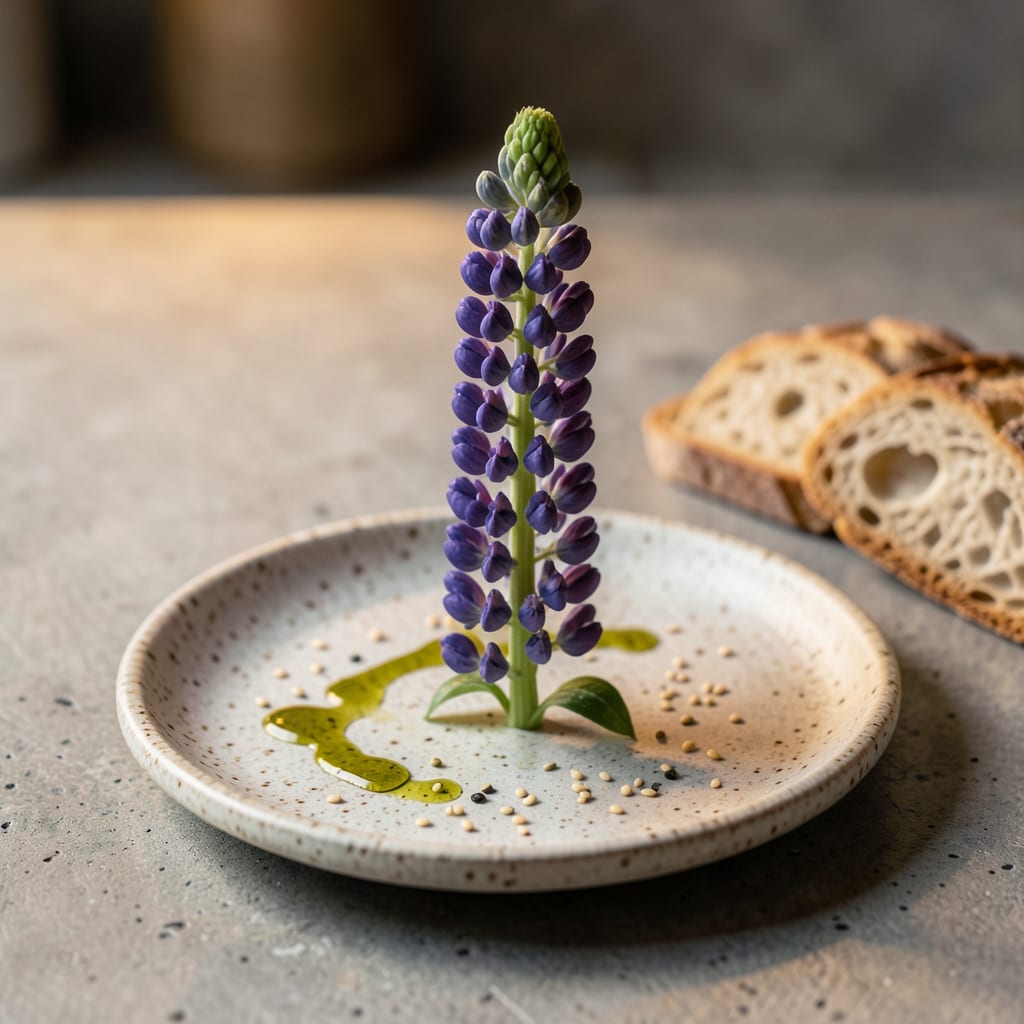
I’ve always been fascinated by lupines 🌼 and their impressive height. Growing these beautiful flowers requires understanding their growth patterns to plan your garden effectively.
In USDA Zone 6, lupine height can vary significantly based on the specific variety and growing conditions. Let’s explore what you can expect and how to support these stunning plants.
Lupine plants are known for their impressive height, which can vary significantly based on the specific variety and growing conditions. Understanding the typical height range is crucial for effective garden planning and ensuring proper support for these beautiful flowers 🌼.
The height of lupine plants can range from 2 to 4 feet on average, with some varieties growing even taller under optimal conditions. Factors such as soil quality, sunlight exposure, and climate conditions play a significant role in determining the final height of lupine plants.
When planning your garden, it’s essential to consider the mature height of lupine plants to ensure they have enough space to grow without overshadowing other plants. Proper spacing and support can significantly impact the overall health and appearance of your lupines.
Soil quality is a critical factor in determining lupine height. Well-draining, slightly acidic soil with a pH between 6.0 and 7.0 can promote healthy growth and maximize height potential.
Sunlight exposure also plays a crucial role in lupine growth. These plants generally require full sun to partial shade, with at least 6 hours of direct sunlight per day to reach their full height potential.
In addition to soil and sunlight, climate conditions can significantly impact lupine height. Cooler temperatures and adequate moisture during the growing season can support taller growth, while extreme heat or drought may stunt the plants.
To maximize the height of your lupines, ensure they are planted in a location that receives adequate sunlight and has well-draining soil. Regular watering and balanced fertilization can also support healthy growth and tall spikes.
It’s worth noting that some lupine varieties are naturally more compact and may not grow as tall as others. Understanding the specific needs and characteristics of your lupine variety can help you provide the best growing conditions.
By considering these factors and providing optimal growing conditions, you can enjoy the full beauty of your lupine plants, whether they reach 2 feet or 4 feet in height.
Proper garden planning and care can make a significant difference in the height and overall health of your lupines, ensuring they thrive in your garden 🌼.
Lupine height can be influenced by several key factors that gardeners should consider when planning their garden. Understanding these elements can help maximize plant growth and overall health 🌼.
The soil type plays a crucial role in determining lupine height. Well-draining, slightly acidic soil with a pH between 6.0 and 7.0 promotes healthy root development and supports taller growth.
Watering practices significantly impact lupine height. Consistent moisture, especially during the growing season, supports healthy development. However, overwatering can lead to root rot and negatively affect plant height.
Fertilization is another important factor. Balanced fertilization provides necessary nutrients for optimal growth. Avoid high-nit nitrogen fertilizers, as they can promote weak growth.
Staking is essential for tall lupine varieties to prevent lodging. Using stakes or trellises can help maintain plant uprightness and showcase their beautiful flower spikes.
By understanding and managing these factors, gardeners can create optimal growing conditions for their lupines, supporting healthy height variations and overall plant vigor 🌿.
Regular monitoring of soil conditions, watering needs, and nutrient levels can help gardeners make informed decisions about their lupine care, ultimately leading to more successful and vibrant plants.
It’s worth noting that different lupine varieties may respond differently to these factors. Understanding the specific needs of your lupine variety can help you tailor your care practices for optimal results.
By combining proper care techniques with optimal growing conditions, gardeners can enjoy the full beauty and height potential of their lupine plants, creating a stunning display in their garden 🌼.
Managing tall lupine plants requires careful planning and support to maintain their height and overall health 🌼.
Tall lupine varieties need staking or support to prevent lodging, especially in windy or rainy conditions. Using bamboo stakes or trellises can help keep plants upright and showcase their beautiful flower spikes.
Install stakes early in the growing season to avoid damaging roots later. Use soft ties to gently secure stems to supports.
When planting tall lupines, consider their mature height and leave enough space between plants to allow for good air circulation and prevent overcrowding.
Regular maintenance is crucial for tall lupine plants. Remove spent flower spikes to encourage additional blooming and maintain plant appearance.
By providing proper support and care, you can enjoy the full beauty of your tall lupine plants and create a stunning display in your garden 🌼.
Tall lupines can add a dramatic vertical element to garden designs, creating a striking visual impact when planted in groups or used as a backdrop for shorter plants.
With proper management, tall lupine plants can thrive and become a highlight of your garden, providing vibrant color and texture throughout the growing season.
