
Beautiful Plants For Your Interior
Beautiful Plants For Your Interior
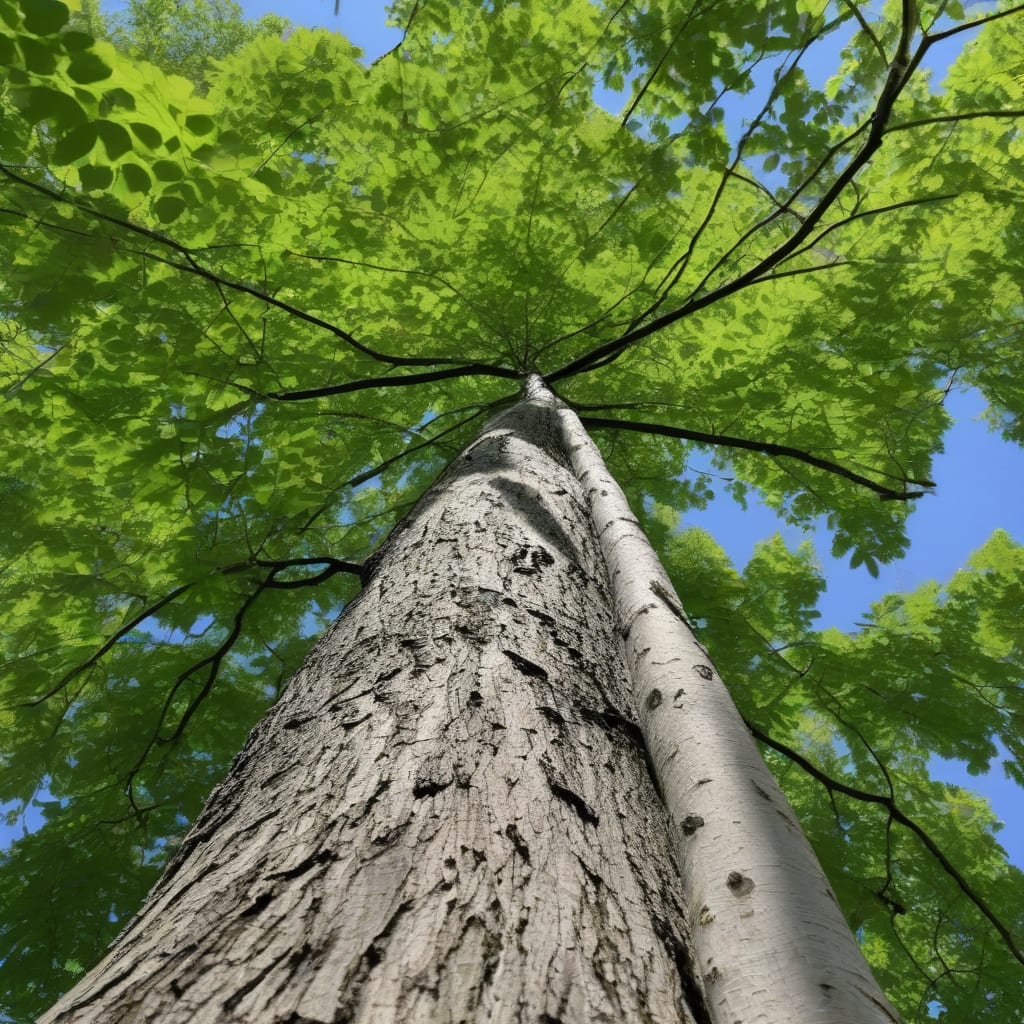
I’ve always been fascinated by the majestic 🌳 Locust Tree, known for its stunning beauty and impressive growth. Understanding how tall these trees can grow is crucial for proper landscaping and garden planning, especially in USDA Zone 6 where they thrive.
The height of Locust Trees can vary significantly based on factors like soil quality and climate conditions. Let’s explore the growth habits of these magnificent trees and discover their maximum height potential to help you make informed decisions for your garden or landscape.


I’ve found that Locust Tree height is influenced by multiple factors, including soil quality, climate conditions, and species variations. Understanding these factors is crucial for gardeners and landscapers to make informed decisions.
The soil quality plays a significant role in determining the height of Locust Trees. Trees growing in well-draining, fertile soil tend to grow taller than those in poor soil conditions. 🌳
Climate conditions also significantly impact Locust Tree height. Trees growing in temperate climates with adequate moisture tend to grow taller than those in harsh or dry conditions.
The specific species of Locust Tree is another critical factor, as different species have varying maximum height potentials. For example, the Black Locust can grow up to 80 feet tall, while the Honey Locust typically reaches heights of 40-60 feet.
Understanding these factors can help gardeners and landscapers make informed decisions when planting Locust Trees. By selecting the right species for their climate and soil conditions, they can optimize the tree’s growth potential and achieve the desired height for their landscape. 🌱
Additionally, factors such as sunlight exposure, water availability, and pruning practices can also influence the height of Locust Trees. Proper care and maintenance can help ensure that these trees reach their full height potential.
By considering these factors and providing optimal growing conditions, gardeners can enjoy the beauty and benefits of mature Locust Trees for years to come. The maximum height potential of these trees makes them a valuable addition to any landscape.
Overall, Locust Trees are known for their impressive growth and ability to thrive in a variety of conditions. With proper care and attention, they can become a stunning feature in any garden or landscape.
In conclusion, the height of Locust Trees is influenced by a combination of environmental and genetic factors. By understanding and managing these factors, gardeners and landscapers can optimize the growth and height of these magnificent trees.
I’ve discovered that different species of Locust Trees have varying maximum height potentials, making it essential to understand these differences for effective landscaping. The height of these trees can significantly impact the overall aesthetic and structure of a garden or landscape.
Let’s examine some common species of Locust Trees and their typical height ranges to better understand their growth habits. 🌳
The Black Locust is known for its impressive height, reaching up to 80 feet tall, making it one of the tallest Locust Tree species. This species is often used in landscaping for its striking appearance and ability to provide shade.
In contrast, the Honey Locust typically grows to be 40-60 feet tall, with a more moderate growth rate compared to the Black Locust. This species is also popular in landscaping due to its unique foliage and adaptability to different soil conditions.
Understanding the maximum height potential of different Locust Tree species is crucial for gardeners and landscapers to make informed decisions when selecting trees for their landscape. By choosing the right species, they can achieve the desired height and aesthetic for their garden or landscape. 🌟
Additionally, factors such as soil quality, climate conditions, and pruning practices can also impact the height of Locust Trees. Proper care and maintenance can help ensure that these trees reach their full height potential.
By considering these factors and providing optimal growing conditions, gardeners can enjoy the beauty and benefits of mature Locust Trees for years to come. The maximum height potential of these trees makes them a valuable addition to any landscape.
Managing the growth and size of Locust Trees requires careful consideration of several factors, including pruning techniques, soil management, and regular maintenance. By implementing these strategies, gardeners can influence the height and overall health of their Locust Trees 🌳.
Prune your Locust Tree during its dormant season to control its height and promote healthy growth. Remove any dead or damaged branches to maintain the tree’s overall health.
Pruning is a crucial aspect of managing Locust Tree growth. Regular pruning helps control the tree’s height, promotes a strong structure, and removes any dead or diseased branches. It’s essential to prune during the tree’s dormant season to minimize stress and prevent disease 🔧.
Soil management is another critical factor in managing Locust Tree size. Ensuring the soil is well-draining and fertile can promote healthy growth. Gardeners can achieve this by adding organic matter like compost or manure to improve soil quality 🌿.
By combining these strategies, gardeners can effectively manage the growth and size of their Locust Trees. Regular maintenance, including monitoring for pests and diseases, is also vital to ensure the tree remains healthy and thrives.
With proper care and attention, Locust Trees can become a stunning feature in any garden or landscape. Their impressive growth and beauty make them a valuable addition to any outdoor space 🌟.
