
Beautiful Plants For Your Interior
Beautiful Plants For Your Interior
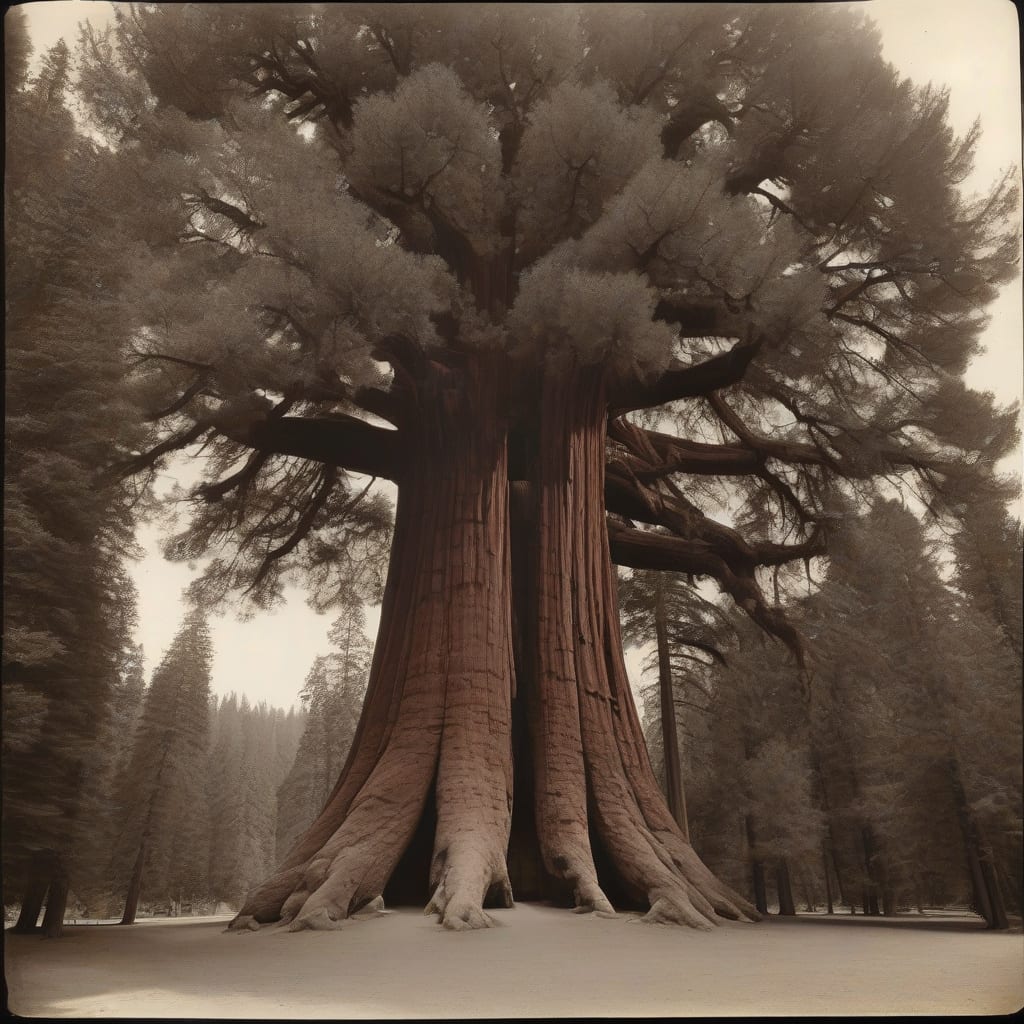
I’ve always been fascinated by the towering presence of trees 🌳 in our landscapes. Some species can reach astonishing heights, challenging our understanding of what’s possible in the plant kingdom.
Let’s explore the factors that influence how tall trees can grow and what determines their maximum height.


I’ve always been fascinated by the towering presence of trees in our landscapes. The height to which trees can grow is influenced by a combination of biological and environmental factors. Understanding these factors is crucial for appreciating the remarkable diversity in tree sizes 🌳.
The maximum height a tree can achieve is determined by its species, genetic makeup, and various environmental conditions. Let’s explore these factors in more detail to understand how they impact tree growth.
The genetic makeup of a tree plays a significant role in determining its potential height. Some species are naturally predisposed to grow taller due to their evolutionary adaptations. For instance, coast redwoods are known for their extraordinary response to their environment, allowing them to reach exceptional heights 🌲.
Environmental conditions also significantly impact tree height. Climate factors such as temperature, rainfall, and sunlight exposure can either promote or limit growth. Trees growing in optimal conditions with ample resources tend to achieve greater heights compared to those in more challenging environments.
Soil quality is another crucial factor. Trees require nutrient-rich soil with good drainage to support healthy growth. Poor soil conditions can stunt a tree’s growth, preventing it from reaching its full height potential.
Water availability is essential for tree growth. While adequate water is necessary, excessive moisture can be harmful. Trees have adapted to various water conditions, with some species thriving in wet environments and others in drier climates.
Understanding these factors helps us appreciate the incredible diversity in tree sizes and the conditions that allow them to thrive. By recognizing the importance of species, climate, soil, and water, we can better manage and conserve our tree populations 🌳.
Trees continue to fascinate us with their ability to grow to remarkable heights. By studying the factors that influence their growth, we gain insights into the natural world and our role in preserving it.
The study of tree heights not only satisfies our curiosity but also informs conservation efforts and forestry practices. As we continue to learn more about these natural giants, we develop a deeper appreciation for their role in our ecosystems.
Overall, the height to which trees can grow is a complex trait influenced by multiple factors. By understanding these factors, we can better appreciate the remarkable diversity of tree species and their adaptations to different environments.
Trees have always fascinated me with their ability to reach incredible heights. Some species stand out for their exceptional growth, pushing the boundaries of what’s thought possible 🌳.
The tallest trees in the world are truly natural wonders. Let’s explore some remarkable examples of record-breaking tree heights and what makes them so extraordinary.
A coast redwood standing at 380.1 feet tall, located in Redwood National Park, California. This tree is a remarkable example of nature’s ability to achieve extraordinary heights 🌲.
Another coast redwood that stands at 379.3 feet tall, also found in Redwood National Park. These trees demonstrate the incredible heights that can be achieved by certain species 🌳.
Trees like the mountain ash in Australia, reaching heights of over 320 feet, showcase the diversity of tall tree species across different regions 🌲.
These record-breaking trees inspire awe and highlight the importance of preserving our natural heritage. By studying these exceptional trees, we gain a deeper appreciation for the factors that contribute to their remarkable heights.
The discovery of such tall trees often involves careful measurement and verification. Techniques such as laser rangefinding and clinometer measurements are used to determine the heights of these natural giants accurately.
Understanding the characteristics of these tallest trees can provide insights into forest ecosystems and the conditions that support such extraordinary growth. This knowledge is invaluable for conservation efforts and forestry management.
As we continue to explore and document the world’s tallest trees, we uncover more about the natural world and our place within it. These trees stand as testaments to the incredible diversity and resilience of nature 🌳.
By appreciating and protecting these record-breaking trees, we ensure that future generations can continue to marvel at their grandeur and learn from their remarkable stories.
I’ve found that measuring tree height can be both fascinating and complex. While it might seem straightforward, accurately determining the height of tall trees requires careful consideration of various factors 🌳.
There are several methods used to measure tree height, each with its own advantages and limitations. Let’s explore some of the most common techniques and the challenges they present.
Accurate tree height measurement is crucial for forestry management, conservation efforts, and understanding tree growth patterns.
One common method is using a clinometer, which measures the angle between the observer’s line of sight to the top of the tree and the ground. By combining this angle with the distance from the observer to the tree, the height can be calculated using trigonometry 🔍.
Another technique involves laser rangefinders, which can directly measure the distance to the top of the tree. These devices are highly accurate and have become increasingly popular for tree height measurements due to their precision and ease of use 📏.
Despite these advanced tools, challenges remain. Dense foliage can obscure the view of the tree’s top, making it difficult to obtain accurate measurements. Additionally, uneven terrain can complicate the measurement process, requiring adjustments to ensure accuracy 🌲.
Understanding these challenges is essential for selecting the most appropriate measurement technique. By combining the right tools with a thorough understanding of the challenges involved, we can achieve more accurate tree height measurements 🌳.
Accurate tree height measurements contribute significantly to our understanding of tree growth and forest ecosystems. They inform forestry practices, conservation efforts, and research into the factors that influence tree height 📚.
