
Beautiful Plants For Your Interior
Beautiful Plants For Your Interior
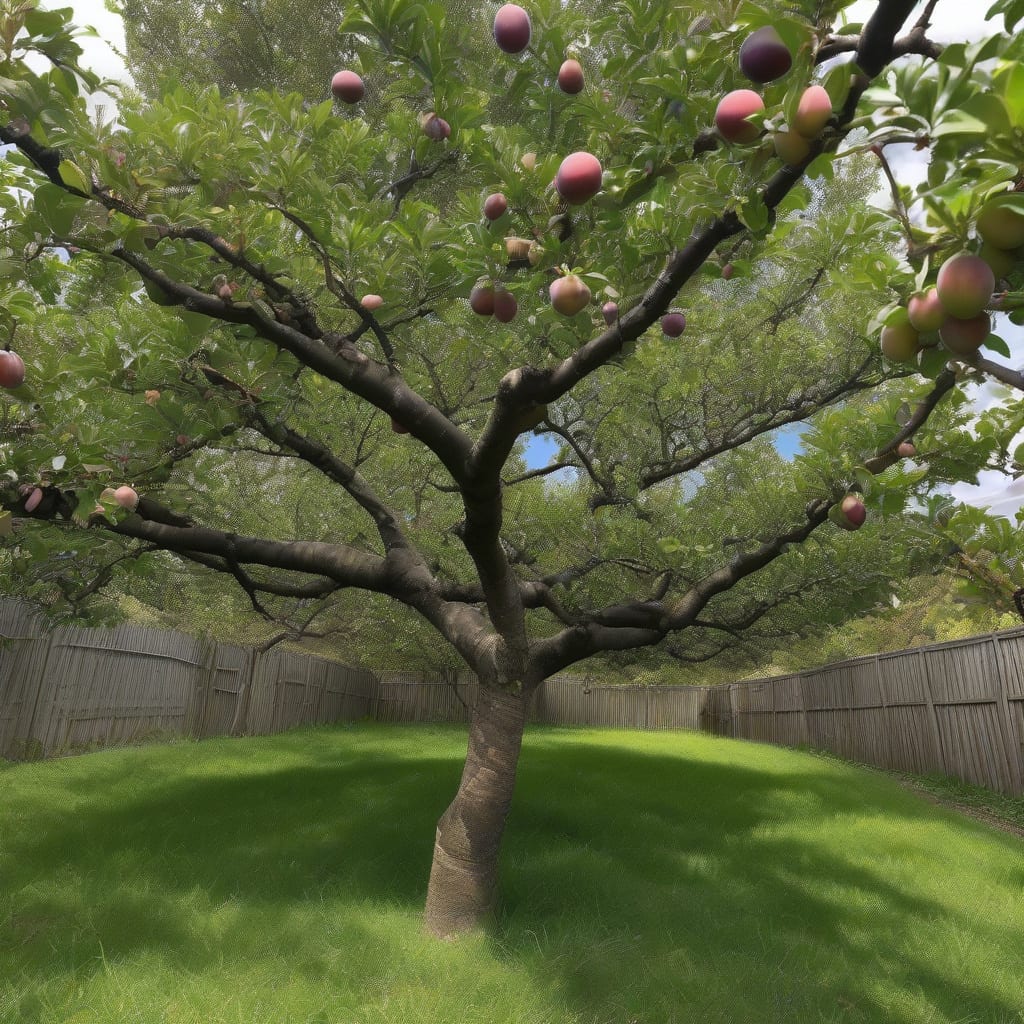
When planting a 🍑 Plum Tree, one of the first questions is: how tall will it grow? Understanding the mature height is crucial for proper spacing and maintenance. The height can vary based on factors like variety and growing conditions.
Generally, a Plum Tree can grow between 15-25 feet tall, with dwarf varieties reaching 8-12 feet. Knowing these dimensions helps in planning your garden layout effectively.
When considering how tall a plum tree will grow, several factors come into play. The variety of the plum tree is a significant determinant, as different types have distinct growth patterns. For instance, dwarf varieties are bred to be more compact, while standard varieties can grow much taller.
The rootstock of the plum tree also plays a crucial role in its overall height. Rootstocks can influence not only the tree’s size but also its resistance to diseases and its adaptability to different soil types. Understanding these elements helps in selecting the right tree for your specific needs.
Growing conditions, including soil quality, sunlight exposure, and watering practices, also significantly impact the height of a plum tree. Optimal conditions can lead to healthier trees that reach their full growth potential.
Soil quality is particularly important as it affects nutrient availability and drainage. Plum trees prefer well-drained soil rich in organic matter. Proper sunlight exposure is also crucial, with most plum trees requiring full sun to thrive.
Watering practices should be consistent but not excessive. Overwatering can lead to root rot, while underwatering can stress the tree. Finding the right balance is key to supporting healthy growth.
Pruning is another factor that can influence the height of a plum tree. Regular pruning not only helps maintain a desired height but also promotes better fruit production and overall tree health.
Pruning should be done carefully and at the right time of year. For plum trees, late winter or early spring is typically the best time to prune, as it allows for the removal of dead or diseased branches before new growth begins.
By understanding these factors and how they interplay, you can better manage the growth of your plum tree and ensure it remains healthy and productive. 🌳
Different plum tree varieties have unique characteristics that affect their mature height. Some are naturally more compact, making them ideal for smaller gardens.
When selecting a plum tree, it’s essential to consider not just the variety but also the rootstock and the growing conditions it will be subjected to. This holistic approach helps in achieving the desired tree size and health.
Regular maintenance, including pruning and monitoring for pests and diseases, is vital. This proactive approach can prevent issues that might otherwise stunt the tree’s growth or reduce its fruit production.
In conclusion, the height of a plum tree is influenced by a combination of its variety, rootstock, and the conditions in which it grows. By carefully selecting the right tree and providing appropriate care, you can enjoy a healthy and productive plum tree that fits well within your garden’s landscape.
When it comes to managing the size of your plum tree, pruning is a crucial technique. Proper pruning not only helps in controlling the tree’s height but also promotes better fruit production and overall tree health. The key is to prune carefully and at the right time of year 🌳.
For plum trees, late winter or early spring is typically the best time to prune. This timing allows for the removal of dead or diseased branches before new growth begins. Pruning during this period also helps in shaping the tree and maintaining its desired height.
Start by removing any branches that are dead, diseased, or damaged. This helps prevent the spread of disease and encourages healthy growth.
Thin out the center of the tree to allow more sunlight to penetrate. This improves air circulation and helps in fruit ripening.
Shape the tree by cutting back branches that are growing too tall or out of place. This helps maintain the desired height and shape.
Regular pruning is essential for maintaining the health and productivity of your plum tree. By following these steps, you can ensure your tree remains healthy and continues to produce delicious fruit.
It’s also important to use the right tools when pruning. Sharp, clean pruning shears or loppers make clean cuts that heal quickly, reducing the risk of disease.
Pruning is not just about cutting branches; it’s about maintaining the overall health and structure of the tree. With regular and proper pruning, you can enjoy a well-managed plum tree that fits perfectly in your garden.
By understanding and implementing these pruning techniques, you can effectively manage the size of your plum tree and enjoy its benefits for years to come.
When selecting a plum tree for your garden, understanding the different varieties and their growth patterns is essential. The main types are dwarf, semi-dwarf, and standard, each with unique characteristics that affect their mature height and space requirements.
Dwarf plum trees are bred to be more compact, typically growing between 8-12 feet tall. They are ideal for smaller gardens or for those who want to maintain a manageable tree size. Semi-dwarf varieties grow slightly taller, reaching heights of 12-18 feet, offering a balance between size and fruit production.
Standard plum trees are the tallest, growing up to 20-25 feet. They require more space and are better suited for larger gardens where their full growth potential can be realized.
Choosing the right variety depends on your available space and maintenance preferences. Dwarf and semi-dwarf trees are easier to manage and harvest, while standard trees can provide a more traditional orchard experience.
Understanding these differences helps in planning your garden layout effectively and ensuring that your plum tree thrives in its environment 🌳.

