
Beautiful Plants For Your Interior
Beautiful Plants For Your Interior
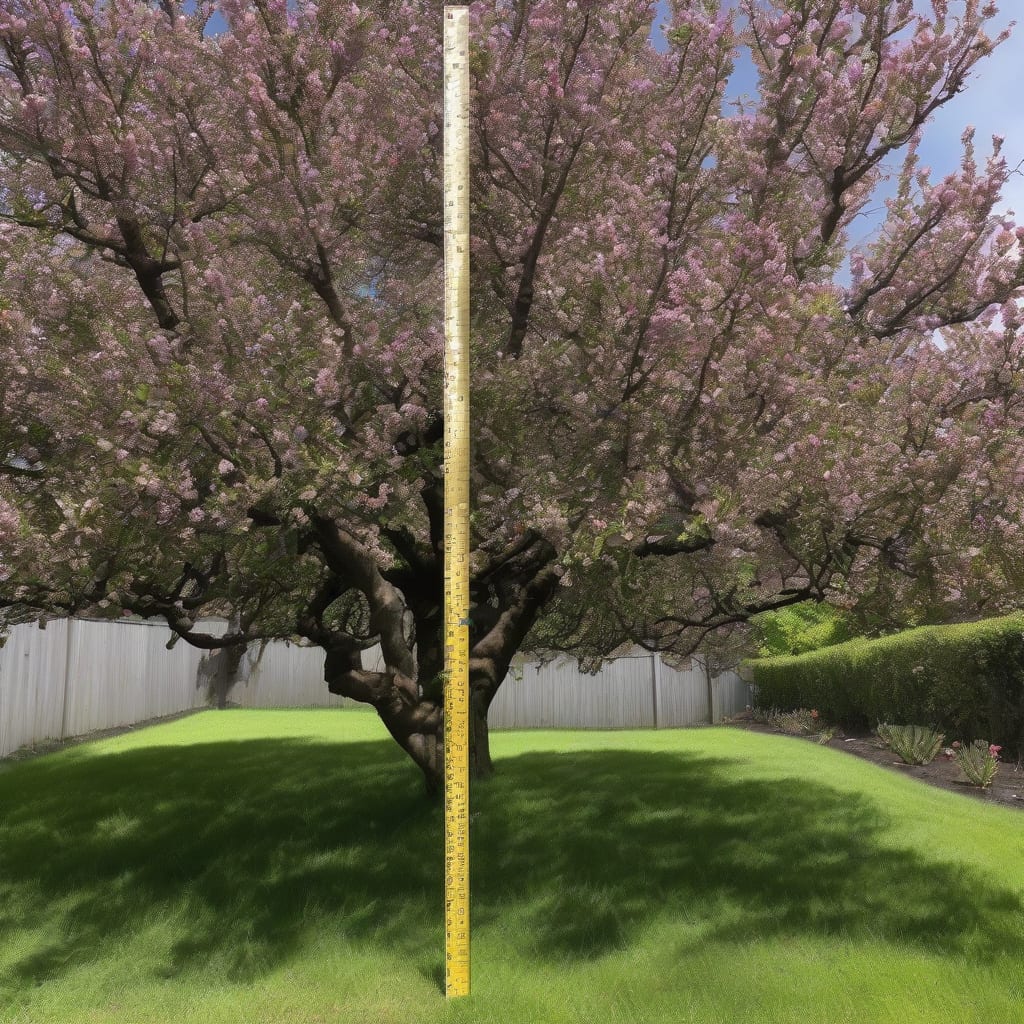
When planting a Plum Tree 🌳, understanding its growth potential is crucial for optimal garden planning. The height of a Plum Tree can vary significantly based on factors like rootstock and growing conditions.
In USDA Zone 6, you can expect different growth patterns depending on the tree variety. Let’s explore what influences their height and how to manage it effectively.

Understanding the factors that influence plum tree height is crucial for garden planning. The height of a plum tree can vary significantly based on several key factors 🌳.
The primary factors affecting plum tree height include rootstock, cultivar, soil quality, and climate conditions. Each of these elements plays a significant role in determining the ultimate height of the tree.
The rootstock is particularly important as it can significantly influence the tree size and vigor. For example, dwarf rootstocks will result in smaller trees, while standard rootstocks allow for larger growth.
Cultivar selection also plays a crucial role. Different plum tree varieties have inherent growth patterns that can affect their mature height. Some cultivars are naturally more compact, while others can grow quite tall.
Soil quality impacts tree health and growth rate. Plum trees prefer well-draining soil with adequate nutrient content. Poor soil conditions can limit tree growth and overall health.
Climate conditions such as temperature, sunlight, and weather patterns also affect plum tree growth. Optimal growing conditions allow trees to reach their full height potential, while adverse conditions can stunt growth.
Understanding these factors helps gardeners make informed decisions about planting and caring for their plum trees. Proper planning ensures that the tree has enough space to grow and thrive.
By considering these growth factors, gardeners can better manage their plum trees and achieve the desired height and shape. Regular maintenance and appropriate care are essential for optimal tree development 🌳.
Proper care includes regular pruning and fertilization to maintain tree health and promote balanced growth. Monitoring for pests and diseases is also crucial for maintaining a healthy plum tree.
Gardeners should also be aware of the specific needs of their plum tree variety. Some trees may require more frequent watering or protection from extreme weather conditions.
By combining knowledge of these factors with proper care techniques, gardeners can successfully grow plum trees that are both productive and visually appealing.
When considering how tall a plum tree will grow, it’s essential to understand the different varieties and their growth characteristics. Plum trees come in various sizes, ranging from dwarf to standard varieties 🌳.
The height of a plum tree is largely determined by its rootstock and cultivar. Dwarf varieties typically grow to be around 8-12 feet tall, while semi-dwarf trees can reach heights of 12-18 feet. Standard plum trees, on the other hand, can grow much taller, often reaching heights of 20-25 feet or more.
Understanding these height expectations is crucial for garden planning. For example, dwarf varieties are ideal for smaller gardens or container growing, while standard trees require more space and are better suited for larger orchards or landscapes 🌳.
The growth rate of plum trees also varies by variety. Dwarf and semi-dwarf trees tend to have slower growth rates compared to standard trees. This means that while standard trees may reach their full height more quickly, they also require more maintenance to keep them at a manageable size.
When selecting a plum tree variety, it’s essential to consider both the mature height and the growth rate to ensure that the tree will fit well in your garden and meet your needs.
For instance, if you have limited space, a dwarf plum tree might be the best choice. These trees not only remain smaller but also tend to start producing fruit sooner than standard varieties.
On the other hand, if you have ample space and are looking for a tree that can provide shade in addition to fruit, a standard plum tree could be more suitable.
Regardless of the variety you choose, proper care, including regular pruning and adequate watering, will help ensure that your plum tree reaches its full potential height and remains healthy.
Proper pruning and training are essential for managing the height of your plum tree and maintaining its overall health 🌳.
Pruning helps control the tree’s size, promotes fruiting, and removes any dead or diseased branches. It’s crucial to prune your plum tree annually, typically during its dormant season, to minimize stress and prevent disease.
Start by removing any branches that are dead, diseased, or damaged to prevent the spread of disease and encourage healthy growth.
Thin out the center of the tree to allow more sunlight to penetrate and air to circulate, which helps reduce disease risk and promotes fruiting.
Shape the tree by cutting back branches that are growing too tall or out of place, maintaining an open center or vase shape to allow for good air circulation and sunlight penetration.
Training your plum tree involves guiding its growth to achieve a desired shape or size. This can be done by pruning and using techniques like espaliering or supporting branches to direct their growth.
By following these pruning and training techniques, you can effectively manage the height of your plum tree, ensuring it remains healthy and productive for years to come 🌳.
