
Beautiful Plants For Your Interior
Beautiful Plants For Your Interior
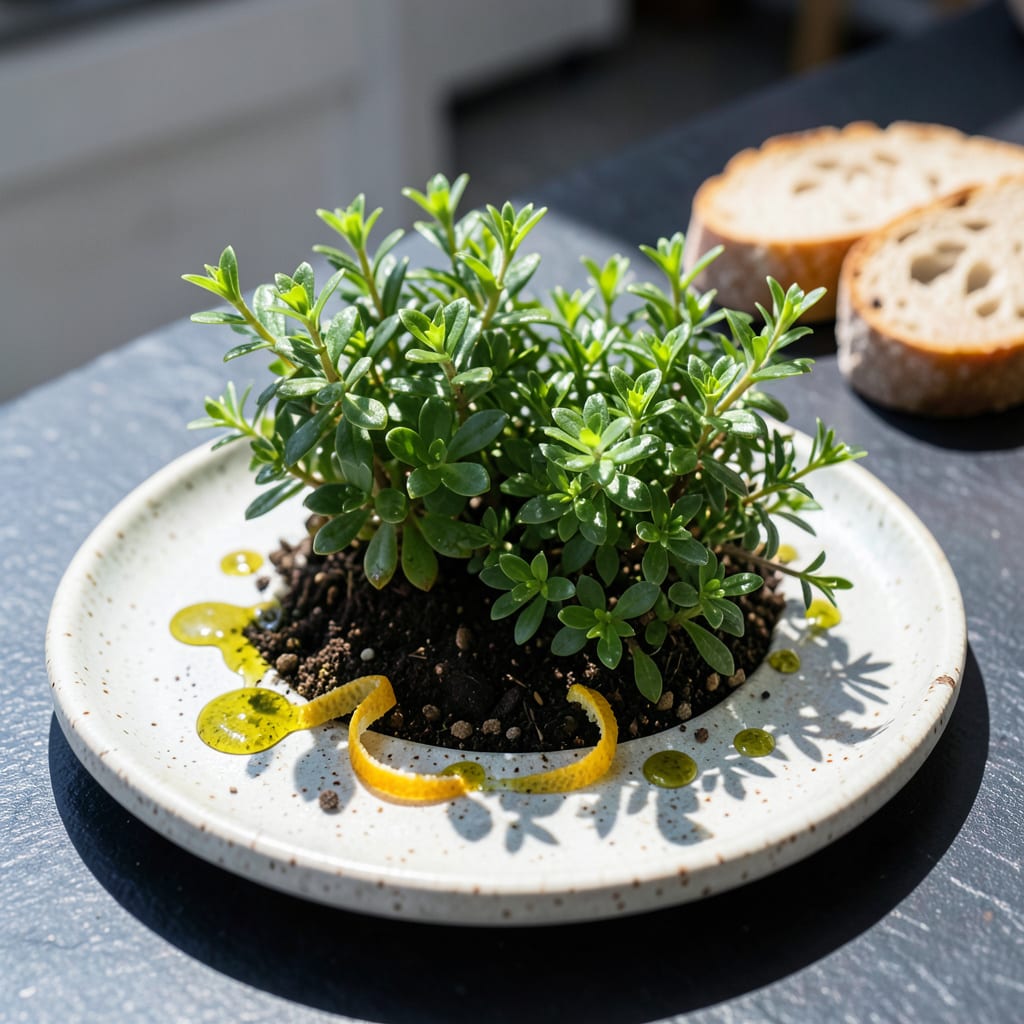
Fertilizing your Trees and Shrubs 🌳 at the right time can make a significant difference in their health and growth. In USDA Zone 6, timing is everything – fertilizing during the wrong season can be ineffective or even harmful.
Spring and fall are typically considered the best times to fertilize, as they promote healthy growth and prepare your plants for the changing seasons. Let’s explore the optimal fertilization schedule for your Trees and Shrubs.

Understanding when to fertilize your trees and shrubs is crucial for their health and growth. The timing of fertilization depends on various factors, including the type of plants, climate, and soil conditions 🌳.
Seasonal fertilization is key to providing your trees and shrubs with the necessary nutrients at the right time. Let’s explore the best times to fertilize throughout the year.
The key to successful fertilization is timing. Fertilizing at the right time ensures that your trees and shrubs receive the nutrients they need to thrive. In USDA Zone 6, the ideal months for fertilization are March, April, September, and October 🌟.
During the growing season, trees and shrubs require more nutrients to support their growth. A balanced fertilizer with an NPK ratio of 10-10-10 is generally recommended.
Soil conditions play a significant role in determining the best time to fertilize. Testing your soil can help you understand its nutrient content and pH level, allowing you to choose the right fertilizer 🌿.
Fertilizing young trees and shrubs is particularly important as they establish their root systems. A slow-release fertilizer can provide them with a steady supply of nutrients over time 🔍.
Mature trees also benefit from regular fertilization, especially if they’re showing signs of nutrient deficiency. However, the frequency and type of fertilizer may vary depending on the tree’s health and age 🌲.
It’s essential to avoid over-fertilizing, as this can cause more harm than good. Too much fertilizer can lead to excessive growth, making the plants more susceptible to disease and pests 🚨.
Climate considerations are also crucial when determining the best time to fertilize. In areas with extreme weather conditions, such as drought or heavy rainfall, fertilization timing may need to be adjusted ⛅️.
In conclusion, fertilizing your trees and shrubs at the right time is vital for their health and growth. By understanding the seasonal fertilization guide and considering factors like soil conditions and climate, you can provide your plants with the necessary nutrients to thrive 🌼.
For more specific guidance, consider consulting with a local gardening expert or conducting further research on the specific needs of your trees and shrubs 📚.
Understanding the factors that determine when to fertilize your trees and shrubs is crucial for their health and growth 🌱.
The timing of fertilization depends on various factors, including soil conditions, tree health, climate, and age. Let’s explore these factors in more detail.
The best time to fertilize trees and shrubs depends on their specific needs, soil conditions, and climate considerations.
Soil conditions play a significant role in determining the best time to fertilize. Testing your soil can help you understand its nutrient content and pH level, allowing you to choose the right fertilizer 🌿.
Tree health is another critical factor. If your trees are showing signs of nutrient deficiency, such as yellow leaves or slow growth, they may require fertilization 🌟.
Climate considerations are also essential. In areas with extreme weather conditions, such as drought or heavy rainfall, fertilization timing may need to be adjusted ⛅️.
The age of your trees and shrubs is also important. Young trees require more frequent fertilization as they establish their root systems, while mature trees may require less frequent fertilization 🌲.
In USDA Zone 6, the ideal months for fertilization are typically March, April, September, and October. However, this may vary depending on specific weather conditions and soil types 🌟.
By considering these factors and adjusting your fertilization schedule accordingly, you can provide your trees and shrubs with the necessary nutrients to thrive 🌼.
For more specific guidance, consider consulting with a local gardening expert or conducting further research on the specific needs of your trees and shrubs 📚.
Fertilizing trees and shrubs can be beneficial for their health and growth, but it’s essential to avoid common mistakes that can harm rather than help 🌳.
One of the most significant errors is over-fertilizing, which can cause excessive growth, making plants more susceptible to disease and pests 🚨.
Avoid fertilizing during the dormant season as it can cause unnecessary stress to the plants.
Another mistake is using the wrong type of fertilizer. A balanced fertilizer with an NPK ratio of 10-10-10 is generally recommended for most trees and shrubs 🌟.
Timing errors are also common. Fertilizing at the wrong time can be ineffective or even harmful. For example, fertilizing in winter can promote new growth that may not have time to harden off before frost ⛅️.
To avoid these mistakes, it’s crucial to understand the specific needs of your trees and shrubs. Consider factors like soil conditions, tree health, and climate when determining your fertilization schedule 📚.
By being aware of these common mistakes and taking steps to avoid them, you can ensure that your trees and shrubs receive the nutrients they need to thrive 🌼.
The best time to fertilize trees and shrubs is during their active growth periods, typically in early spring and fall. This allows them to absorb the necessary nutrients for healthy growth and development. Fertilizing at these times helps promote root development and prepares the plants for the next growing season.
Fertilization frequency depends on factors like soil quality, tree age, and climate. Generally, fertilizing once or twice a year is sufficient, with spring and fall being the optimal times. However, it’s essential to monitor your trees’ health and adjust the fertilization schedule accordingly. Regular soil testing can also help determine the right frequency.
While it’s possible to fertilize during summer, it’s generally recommended to avoid doing so unless absolutely necessary. Summer fertilization can promote excessive growth, making trees more susceptible to disease and pests. If you must fertilize in summer, use a slow-release fertilizer to minimize the risk of over-fertilization.
A balanced fertilizer with an NPK ratio of 10-10-10 is generally recommended for most trees and shrubs. However, the specific fertilizer needs may vary depending on soil conditions and tree species. It’s always a good idea to consult with a local gardening expert or conduct soil testing to determine the most suitable fertilizer for your trees and shrubs.
📖 See Also
When to Plant Cucumbers in PA: Expert Timing for Maximum Yield
Everything you need to know about When to Plant Cucumbers in PA: Expert Timing for Maximum Yield.
