
Beautiful Plants For Your Interior
Beautiful Plants For Your Interior
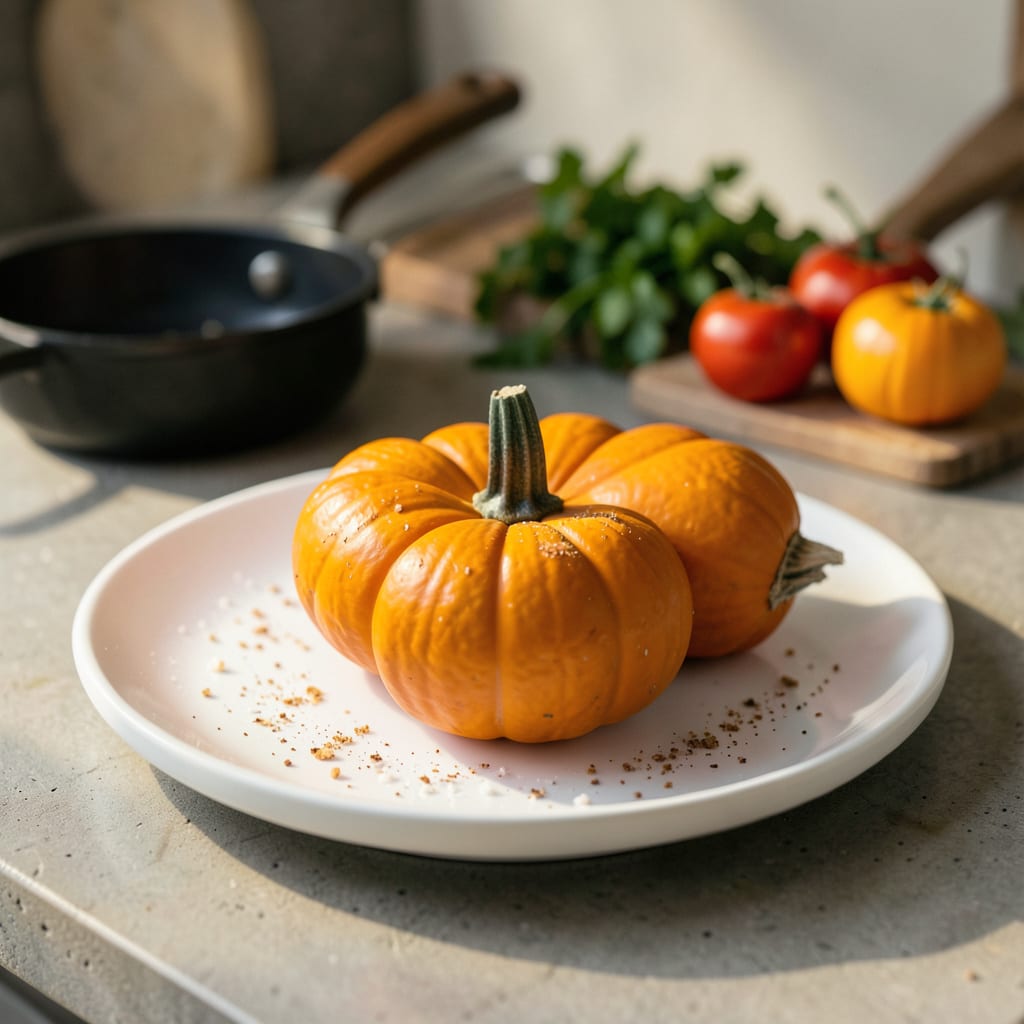
Growing 🎃 pumpkins in Virginia can be a rewarding experience if you time it just right. The key is understanding when to plant them to ensure a bountiful harvest in the fall.
In Virginia’s USDA Zone 7b, the ideal time to plant pumpkins is in late spring to early summer. I’ll guide you through the factors to consider and the optimal planting times to help you succeed.
In Virginia, the ideal time to plant pumpkins is in late spring to early summer, when the soil has warmed up and the risk of frost has passed. This typically falls between late May and early June. Understanding the specific climate and frost dates in your region is crucial for successful pumpkin cultivation 🎃.
The state’s USDA Zone 7b designation means that the last frost date is usually around April 15, and the first frost date is around October 15. This gives pumpkin plants a 180-day growing season. Pumpkins require 90 to 120 days to mature, so timing your planting correctly is essential.
When planning your pumpkin planting, consider the specific variety you’re growing, as different types have varying maturation periods. Check the seed package for specific days to maturity. Some varieties can mature in as little as 75 days, while others may take 120 days or more. This information will help you plan your planting schedule accordingly.
Virginia’s climate varies across different regions, with the mountainous areas typically experiencing cooler temperatures than the coastal plains. This regional variation can affect the optimal planting time. Gardeners in warmer regions like Tidewater may plant slightly earlier than those in cooler mountainous areas.
To ensure successful pumpkin cultivation, it’s also important to prepare your soil properly. Pumpkins thrive in well-draining, nutrient-rich soil with a pH between 6.0 and 6.8. Adding compost or well-rotted manure can improve soil quality and provide the necessary nutrients for healthy pumpkin growth 🌱.
Pumpkins are warm-season crops that require full sun to thrive. Choose a planting location that receives at least 6 hours of direct sunlight per day. The soil should be warm and moist but not waterlogged, as pumpkins are susceptible to rot in overly wet conditions.
In addition to the right timing and soil conditions, proper spacing is crucial for pumpkin plants. They need room to spread out, so plant seeds 1 inch deep and 4-6 feet apart in rows that are 8-10 feet apart. This spacing allows the vines to spread and ensures good air circulation, which can help prevent diseases 🌼.
For gardeners in Virginia, understanding the local climate and frost dates is key to successful pumpkin cultivation. By planting at the right time and providing the appropriate growing conditions, you can enjoy a bountiful harvest of delicious pumpkins in the fall 🎃.
Keep in mind that pumpkin plants are sensitive to frost, so it’s essential to wait until the danger of frost has passed before planting. If you’re unsure about the specific frost dates for your area, consult with local gardening experts or check with your county’s Cooperative Extension office for more detailed information.
By following these guidelines and paying attention to the specific needs of your pumpkin plants, you can enjoy a successful harvest. Happy gardening! 🌻
Before planting pumpkins in Virginia, it’s essential to prepare your soil and choose the right variety for your climate. Soil preparation is critical for healthy pumpkin growth, as these plants are heavy feeders and require nutrient-rich soil. I recommend testing your soil to determine its pH level and nutrient content.
To create an ideal growing environment, ensure your soil has a pH between 6.0 and 6.8. You can adjust the pH by adding lime to raise it or sulfur to lower it. Additionally, incorporate compost or well-rotted manure to improve soil fertility and drainage. Pumpkins thrive in well-draining soil, so if your soil is heavy clay, consider amending it with organic matter or creating raised beds 🌱.
Selecting the right pumpkin variety is also crucial for success in Virginia’s climate. Look for varieties that are disease-resistant and suitable for your region’s temperature and moisture patterns. Some popular pumpkin varieties for the Mid-Atlantic region include ‘Atlantic Giant’, ‘Big Max’, and ‘Connecticut Field’. Consider factors like days to maturity and growth habit when making your selection 🎃.
When it comes to seed quality, I recommend purchasing seeds from reputable suppliers. High-quality seeds will have better germination rates and be more likely to produce healthy, vigorous plants. If you’re starting seeds indoors,
Proper garden layout is another important consideration. Pumpkin vines require ample space to spread, so plan for at least 4-6 feet between plants and 8-10 feet between rows. Consider using a hill planting method, where you plant multiple seeds in a mound and then thin to the strongest seedlings. This approach can help improve drainage and warm the soil more quickly in the spring.
By following these pre-planting preparation steps, you’ll be well on your way to growing a successful pumpkin crop in Virginia.
With careful planning and preparation, you can enjoy a bountiful harvest of delicious pumpkins in the fall. Happy gardening! 🎃
After planting pumpkins in Virginia, proper care is essential for achieving a maximum yield. One of the most critical factors is maintaining consistent moisture levels. Pumpkin plants require regular watering, especially during dry spells, to keep the soil consistently moist but not waterlogged. I recommend watering deeply once or twice a week, depending on weather conditions 🌞.
Keep an eye out for common pumpkin pests like squash bugs and cucumber beetles. Use organic pest control methods whenever possible to protect your plants and the environment.
Pest management is another crucial aspect of post-planting care. Virginia gardeners should be on the lookout for pests such as squash bugs and cucumber beetles, which can cause significant damage to pumpkin plants. Regularly inspect your plants and use organic pest control methods whenever possible to minimize harm to beneficial insects 🐜.
Avoid common mistakes such as overwatering, which can lead to root rot and other fungal diseases. Ensure good air circulation around your plants by providing adequate spacing and removing any weeds or debris that could harbor diseases. By following these post-planting care tips, you can maximize your pumpkin yield and enjoy a successful harvest 🎃.
For gardeners in Virginia, understanding the local climate and frost dates is key to successful pumpkin cultivation. By planting at the right time and providing the appropriate growing conditions, you can enjoy a bountiful harvest of delicious pumpkins in the fall.
With careful planning and attention to detail, you can achieve a maximum yield and enjoy the fruits of your labor. Happy gardening! 🌼
The ideal time to plant pumpkins in Virginia is in late spring to early summer, typically between late May and early June, when the soil has warmed up and the risk of frost has passed. This allows the plants to mature before the first fall frost.
To prepare your soil for pumpkins, test its pH level and nutrient content. Pumpkins thrive in well-draining, nutrient-rich soil with a pH between 6.0 and 6.8. Add compost or well-rotted manure to improve soil fertility and drainage. If your soil is heavy clay, consider creating raised beds to enhance drainage.
Pumpkin plants require regular watering, especially during dry spells, to keep the soil consistently moist but not waterlogged. Water deeply once or twice a week, depending on weather conditions. Avoid overwatering, which can lead to root rot and other fungal diseases. Watering in the morning helps prevent moisture-related issues.
Common pumpkin pests in Virginia include squash bugs and cucumber beetles. Regularly inspect your plants and use organic pest control methods whenever possible to minimize harm to beneficial insects. Keeping your garden clean and removing weeds can also help reduce pest populations.
