
Beautiful Plants For Your Interior
Beautiful Plants For Your Interior
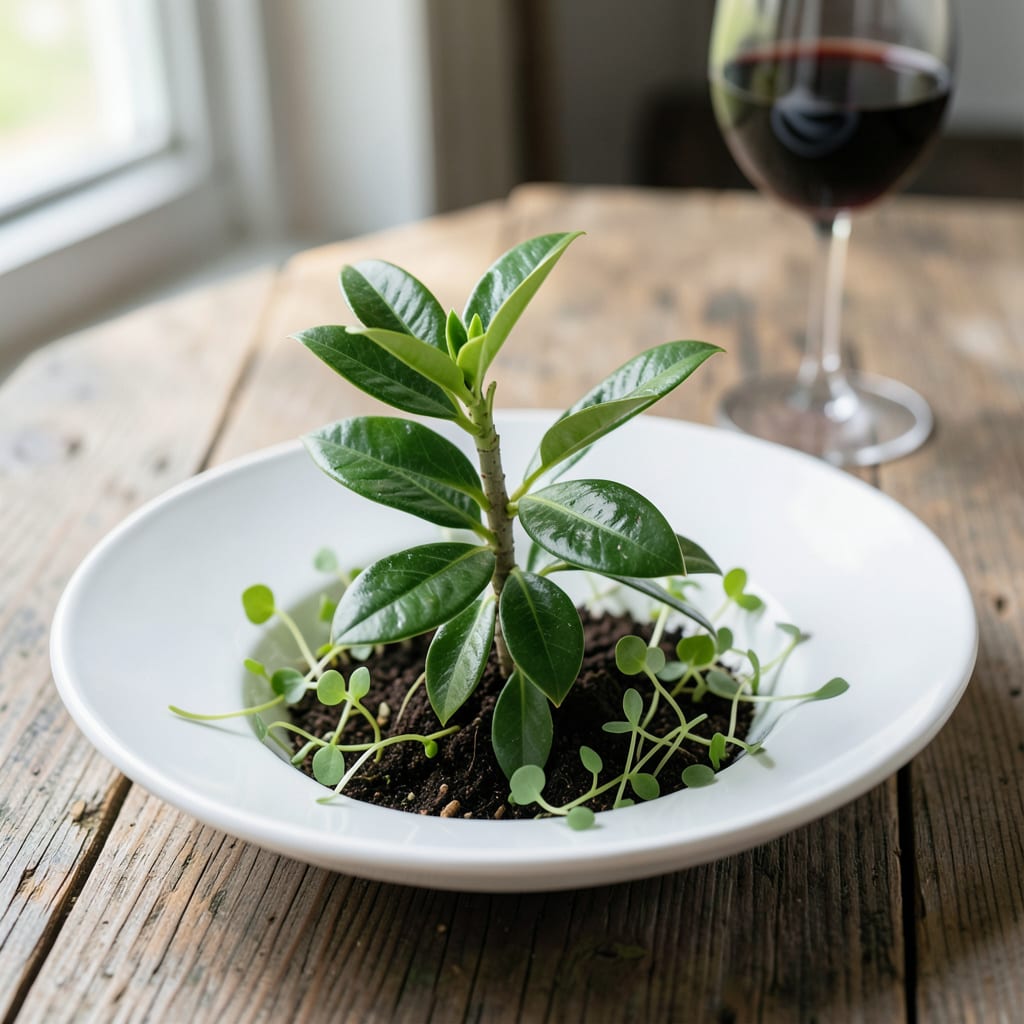
Fertilizing your Avocado Tree 🥑 at the right time is crucial for its growth and fruit production. In USDA Zone 9b, where these trees thrive, understanding the fertilization schedule can make all the difference.
I’ll guide you through the best times to fertilize, ensuring your tree receives the nutrients it needs for healthy development and a bountiful harvest.

Fertilizing avocado trees is a crucial step in their care, as it provides them with the necessary nutrients for healthy growth and fruit production. The timing of fertilization is key, as it can significantly impact the tree’s ability to absorb and utilize these nutrients.
In USDA Zone 9b, where avocado trees thrive, the fertilization schedule is closely tied to the tree’s growth cycle. Understanding when to fertilize can help ensure your tree receives the nutrients it needs during its most active growth periods 🌿.
The fertilization frequency for avocado trees is typically every 4-6 weeks during the growing season. A balanced fertilizer with an NPK ratio of 10-10-10 is recommended. The amount of fertilizer to apply depends on the tree’s size, with a general guideline of 1 cup per 10 square feet of canopy area.
It’s essential to avoid over-fertilizing, as this can cause more harm than good. Avocado trees are sensitive to excessive nitrogen, which can lead to nitrogen burn and other issues.
Soil conditions also play a critical role in determining the best fertilization strategy. Avocado trees prefer well-draining soil with a pH between 6 and 7. Soil testing can help identify nutrient deficiencies and guide fertilization decisions.
In addition to the regular fertilization schedule, micronutrients may be necessary to address specific deficiencies. Zinc, iron, and manganese are common micronutrients that may be required, depending on the tree’s needs.
Fertilizing avocado trees is not a one-size-fits-all approach. Factors such as tree age, soil type, and climate can influence the fertilization schedule and nutrient requirements.
For young trees, more frequent fertilization may be necessary to support their rapid growth. As trees mature, the fertilization frequency can be adjusted accordingly.
By following a well-planned fertilization schedule and taking into account the specific needs of your avocado tree, you can promote healthy growth and maximize fruit production 🌟.
Regular monitoring of the tree’s response to fertilization is crucial. Adjustments to the fertilization schedule may be necessary based on the tree’s performance and any changes in soil conditions.
Consulting with a local gardening expert or extension agent can provide valuable insights into the specific fertilization needs of your avocado tree in your area.
Fertilizing your avocado tree correctly is crucial for its healthy growth and fruit production. I recommend understanding the proper techniques to maximize your tree’s potential.
The right fertilization techniques can make all the difference in your avocado tree’s development. Let’s dive into the specifics of how to fertilize your tree effectively 🌿.
Select a balanced fertilizer with an NPK ratio of 10-10-10. This type of fertilizer provides equal amounts of nitrogen, phosphorus, and potassium, which are essential for healthy tree growth.
Apply the fertilizer evenly around the tree’s drip line, avoiding the trunk. The drip line is the area under the tree’s canopy where water drips from the leaves 🌟.
Water your tree thoroughly after fertilizing to help the nutrients reach the roots. This ensures your tree gets the most out of the fertilizer 💧.
By following these simple steps, you can ensure your avocado tree receives the nutrients it needs for optimal growth and fruit production.
Monitoring your tree’s response to fertilization is key. Adjust your fertilization schedule as needed based on the tree’s performance and any changes in soil conditions 🌱.
For additional guidance, consider consulting with a local gardening expert or extension agent. They can provide valuable insights into the specific fertilization needs of your avocado tree in your area 🌟.
Fertilizing your avocado tree is a straightforward process that can significantly impact its health and productivity. By choosing the right fertilizer and applying it correctly, you can enjoy a bountiful harvest for years to come 🌼.
Understanding nutrient deficiencies in avocado trees is crucial for maintaining their health and maximizing fruit production. I will guide you through identifying signs of nutrient deficiencies and adjusting your fertilization strategies accordingly.
Avocado trees require a balanced diet of nutrients to thrive. Deficiencies can manifest in various ways, affecting the tree’s overall health and productivity 🌿.
Common signs of nutrient deficiencies include yellowing leaves, stunted growth, and poor fruit production. Regular monitoring can help you catch these issues early.
Nutrient deficiencies can be identified through visual symptoms and soil testing. By understanding the specific needs of your avocado tree, you can adjust your fertilization schedule to address any deficiencies.
For instance, a nitrogen deficiency can cause yellowing leaves, while a potassium deficiency can lead to poor fruit production. Adjusting your fertilizer to address these deficiencies can help restore your tree’s health 🌟.
Regular soil testing is essential to determine the nutrient levels in your soil. This information can guide your fertilization decisions, ensuring your avocado tree receives the necessary nutrients.
By being proactive and adjusting your fertilization strategies based on your tree’s needs, you can promote healthy growth and maximize fruit production 🌱.
Fertilize your avocado tree every 4-6 weeks during the growing season, which typically runs from March to September. This frequency supports healthy growth and fruit production.
A balanced fertilizer with an NPK ratio of 10-10-10 is recommended for avocado trees. This type of fertilizer provides equal amounts of nitrogen, phosphorus, and potassium, essential for healthy tree growth.
No, it’s best to skip fertilizing during the winter months when the tree is dormant. Fertilizing during this time can cause new growth that may be damaged by frost.
Watch for signs of nutrient deficiencies such as yellowing leaves, stunted growth, or poor fruit production. Regular soil testing can also help identify nutrient deficiencies.
