
Beautiful Plants For Your Interior
Beautiful Plants For Your Interior
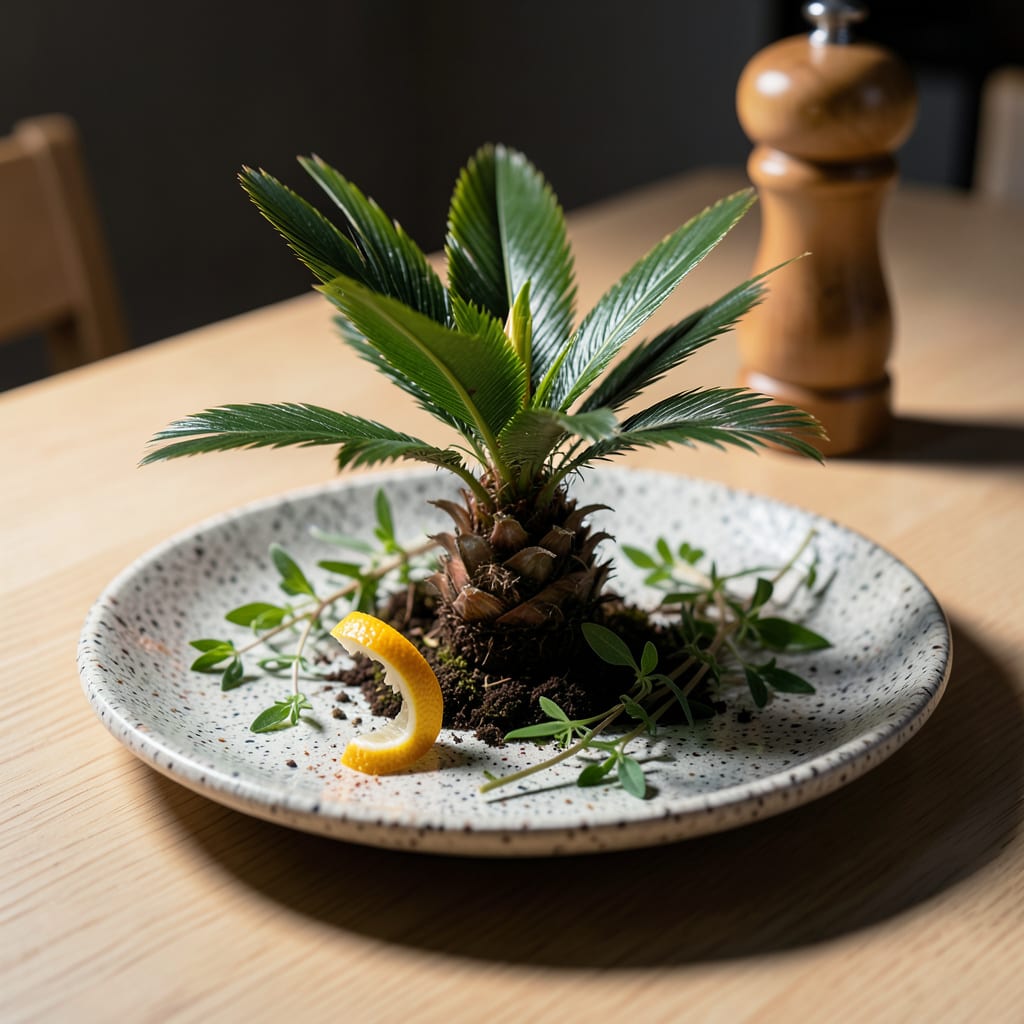
Fertilizing your Palm Tree 🌴 at the right time is crucial for its health and growth. In USDA Zone 9b, the growing season typically runs from March to September, making these months ideal for fertilization.
Understanding when and how to fertilize can make all the difference in keeping your palms thriving. I’ll guide you through the best times and methods to ensure your Palm Tree receives the nutrients it needs to flourish.

Fertilizing palm trees is a critical aspect of their care, and timing is everything. In general, palm trees benefit from fertilization during their active growing season, which typically occurs during the warmer months of the year 🌴.
For most palm species, the ideal time to fertilize is during the spring and summer when they’re actively producing new growth. This period of active growth usually starts in March and continues through September in USDA Zone 9b.
The frequency of fertilization depends on the type of fertilizer used. For slow-release fertilizers, feeding every 4-6 weeks during the growing season is typically sufficient. It’s essential to choose a balanced fertilizer with an NPK ratio suitable for palms, such as 10-10-10 or 8-8-8 🌱.
When applying fertilizer, it’s crucial to follow the manufacturer’s instructions regarding the amount to use. A general guideline is to use 1 cup of fertilizer per 10 square feet of palm canopy area. The best time to fertilize is in the early morning when the soil is moist but not waterlogged.
Different palm species may have varying fertilization needs. For example, royal palms and date palms are heavy feeders and may require more frequent fertilization, while sago palms are more sensitive to over-fertilization and should be fed more sparingly.
Soil conditions also play a significant role in determining the best fertilization schedule. Palms growing in poor soil may benefit from more frequent fertilization, while those in richer soil may require less. It’s also important to ensure the soil has good drainage to prevent fertilizer burn 🌿.
In addition to the regular fertilization schedule, palms may benefit from additional nutrients during times of stress, such as during extreme weather conditions or when showing signs of nutrient deficiency. A soil test can help determine if your palm trees require additional nutrients beyond the regular fertilization schedule 🔍.
For palms growing in containers, fertilization is equally important. Container-grown palms may require more frequent fertilization due to the limited soil volume. However, be cautious not to over-fertilize, as this can lead to nutrient imbalances and damage to the palm.
Monitoring your palm trees’ response to fertilization is key. Look for signs of healthy growth, such as new frond production and robust trunk development. If you notice any signs of nutrient deficiency, such as yellowing fronds or stunted growth, adjust your fertilization schedule accordingly.
Finally, it’s worth noting that fertilization is just one aspect of palm tree care. Ensuring your palms receive adequate water, light, and protection from pests and diseases is equally important for their overall health and vitality 🌴.
By following these guidelines and adjusting them based on your palm trees’ specific needs, you can help ensure they receive the nutrients they need to thrive throughout the year.
Fertilizing palm trees is a critical aspect of their care, and doing it properly can make all the difference in their health and growth. I recommend starting with a soil test to determine your palm’s specific nutrient needs 🔍.
Once you have your soil test results, you can choose a balanced fertilizer that meets your palm’s needs. Look for a fertilizer with an NPK ratio of 10-10-10 or 8-8-8, and consider a slow-release formula to provide nutrients to your palm over time 🌱.
Select a balanced, slow-release fertilizer with the right NPK ratio for your palm tree.
Follow the manufacturer’s instructions for application rates, and fertilize in the early morning when the soil is moist.
Keep an eye on your palm’s health and adjust your fertilization schedule as needed 🌿.
The frequency of fertilization depends on the type of fertilizer used and your palm’s specific needs. For slow-release fertilizers, feeding every 4-6 weeks during the growing season is typically sufficient.
It’s also important to consider your palm’s age and size when determining fertilization frequency. Younger palms may require more frequent fertilization, while mature palms may need less 💪.
In addition to fertilization, ensuring your palms receive adequate water, light, and protection from pests and diseases is crucial for their overall health and vitality 🌴.
By following these steps and adjusting them based on your palm trees’ specific needs, you can help ensure they receive the nutrients they need to thrive throughout the year 🌟.
Fertilizing palm trees can be a straightforward process if you know what to avoid. One of the most common mistakes is over-fertilizing, which can cause more harm than good ⚠️.
When fertilizing, it’s essential to follow the manufacturer’s instructions and avoid applying too much fertilizer at once. A balanced fertilizer with the right NPK ratio is crucial, and using a slow-release formula can help prevent over-fertilization 🌱.
Over-fertilizing can damage your palm trees. Always follow the recommended application rates and avoid fertilizing during the winter months when palms are dormant.
Another mistake to avoid is fertilizing at the wrong time. Palms typically require fertilization during their active growing season, which is usually during the spring and summer months. Fertilizing during the winter can be detrimental, as palms are dormant and don’t require as many nutrients ❄️.
Soil conditions also play a significant role in fertilization. Palms growing in poor soil may require more frequent fertilization, while those in richer soil may need less. Ensuring the soil has good drainage is also crucial to prevent fertilizer burn 🌿.
By avoiding these common mistakes and following proper fertilization guidelines, you can help keep your palm trees healthy and thriving. Regular monitoring of your palms’ response to fertilization is also key to making adjustments as needed 🔍.
With these tips in mind, you’ll be well on your way to becoming a palm fertilization expert and enjoying the many benefits of these beautiful plants 🌴.
For most palm trees, fertilizing every 4-6 weeks during the growing season (March to September) is recommended. Use a balanced, slow-release fertilizer to provide nutrients over time. This frequency helps maintain optimal nutrient levels without over-fertilizing.
A balanced fertilizer with an NPK ratio of 10-10-10 or 8-8-8 is ideal for palm trees. Look for a slow-release formula to provide nutrients gradually. This type of fertilizer promotes healthy growth and development.
No, it’s best to avoid fertilizing palm trees during the winter months when they’re dormant. Fertilizing during this time can cause unnecessary stress and potentially damage the tree. Wait until the growing season begins in March to resume fertilization.
Signs of over-fertilization include yellowing fronds, stunted growth, and leaf burn. If you notice these symptoms, stop fertilizing and consider a soil test to determine if your palm tree has nutrient imbalances. Adjust your fertilization schedule accordingly to prevent further damage.
