
Beautiful Plants For Your Interior
Beautiful Plants For Your Interior
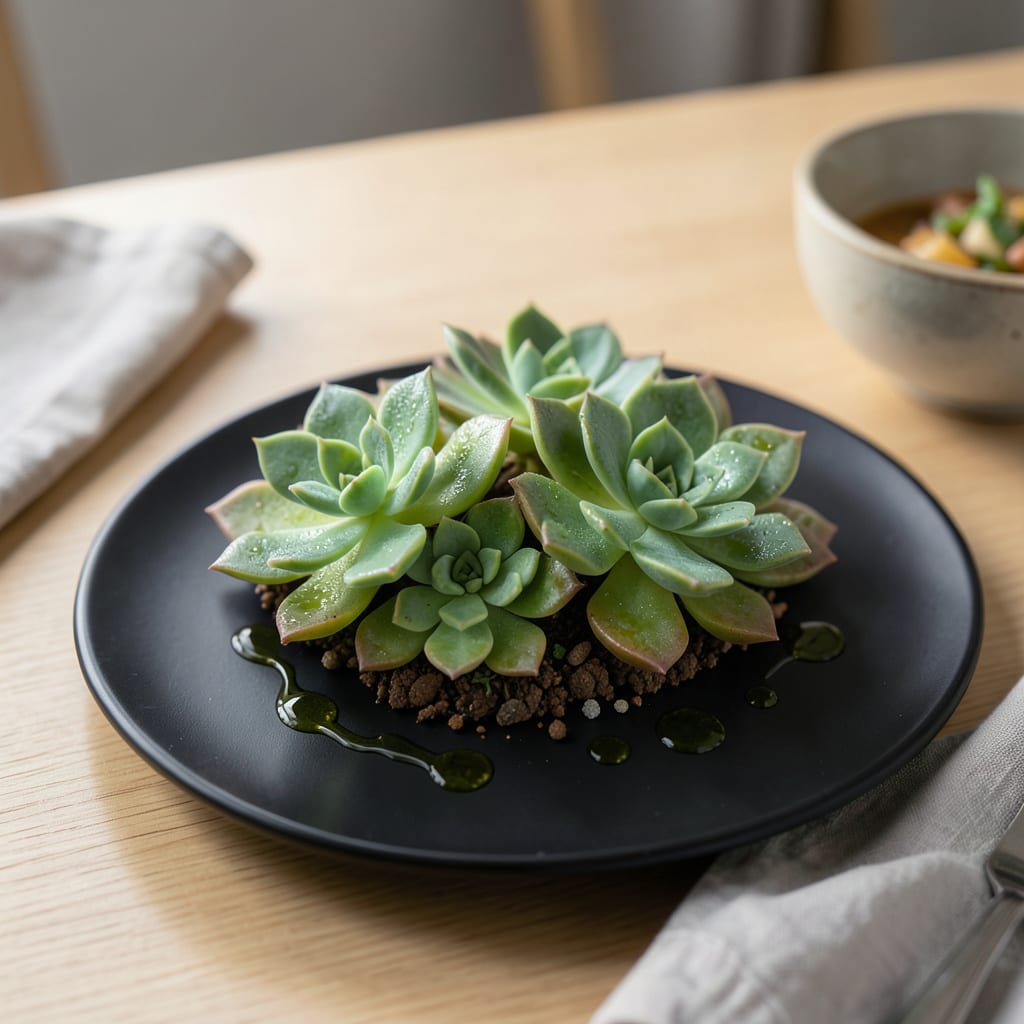
Fertilizing your Succulent 🌵 at the right time can make all the difference in its growth. I’ve learned that timing is everything when it comes to giving these plants the nutrients they need to thrive.
In USDA Zone 6, the growing season is key – typically during Spring when new growth begins. Let’s explore the best times and tips for fertilizing your Succulent 🌵 effectively.

Understanding when to fertilize your succulents can significantly impact their health and growth. In my experience, the key is to fertilize during the growing season, which typically occurs in spring and summer when succulents are actively producing new growth 🌵.
For most succulent enthusiasts, particularly those in USDA Zone 6, the ideal months for fertilization are April and May, with March and June being good additional months to consider. This timing aligns with the succulents’ natural growth cycle, ensuring they receive the necessary nutrients to thrive.
The growing season for succulents typically spans from spring through early fall, during which they require more frequent fertilization to support their active growth. It’s essential to use a balanced, low-nitrogen fertilizer (such as 2-10-10 or 5-10-10 NPK) at 1/4 to 1/2 strength of the recommended dose to avoid burning the roots 🌱.
Fertilizing during the growing season helps succulents develop stronger roots, healthier leaves, and more vibrant colors. By timing your fertilization correctly, you can ensure your succulents receive the nutrients they need to flourish without the risk of over-fertilization 🌵.
It’s also worth noting that succulents have different needs during their dormant period in winter. During this time, they require less water and no fertilization, as they are not actively growing. This period of rest is crucial for their overall health and prepares them for the next growing season 🌵.
By following these guidelines and understanding the specific needs of your succulents, you can create a fertilization schedule that promotes optimal growth and health. Remember, the key is to fertilize during the growing season and to use the right type and amount of fertilizer 🌱.
In conclusion, fertilizing your succulents at the right time is a simple yet effective way to ensure they remain healthy and thrive. By adhering to a schedule that aligns with their growing season and using the appropriate fertilization techniques, you can enjoy lush, vibrant succulents year-round 🌵.
For more detailed information on succulent care and fertilization, consider consulting resources from reputable gardening organizations or succulent-specific guides. These can provide additional insights into the best practices for your specific succulent varieties 🌱.
Fertilizing succulents during their growing season requires careful consideration of the type of fertilizer, application method, and frequency. I’ve found that using the right techniques can make a significant difference in their health and growth 🌵.
For most succulent varieties, a balanced, water-soluble fertilizer with a low nitrogen content (such as 2-10-10 or 5-10-10 NPK) is ideal. It’s essential to dilute the fertilizer to 1/4 to 1/2 strength of the recommended dose to avoid burning the roots 🌱.
Fertilize your succulents during the growing season (spring and summer) for optimal growth. Use a balanced, low-nitrogen fertilizer at 1/4 to 1/2 strength to promote healthy development 🌱.
The frequency of fertilization is also crucial. I recommend fertilizing your succulents every 4-6 weeks during the growing season. This allows them to receive the necessary nutrients without over-fertilizing, which can be detrimental to their health 🌵.
When applying fertilizer, it’s best to do so during watering. This helps to distribute the nutrients evenly throughout the soil and reduces the risk of burning the roots.
Different succulent varieties may have specific fertilization needs. For example, some species may require more frequent fertilization, while others may be more sensitive to certain nutrients. Researching the specific needs of your succulent variety can help you tailor your fertilization approach for optimal results 🌵.
In addition to the type and frequency of fertilization, it’s also important to consider the overall health of your succulents. If your plants are showing signs of nutrient deficiency, such as yellowing leaves or slow growth, adjusting your fertilization schedule may be necessary 🌱.
By following these guidelines and being mindful of your succulents’ specific needs, you can create a fertilization routine that promotes healthy growth and development. Remember, the key is to fertilize during the growing season and to use the right type and amount of fertilizer 🌵.
For more detailed information on succulent care and fertilization, consider consulting resources from reputable gardening organizations or succulent-specific guides. These can provide additional insights into the best practices for your specific succulent varieties 🌱.
Fertilizing succulents requires careful consideration to avoid common mistakes that can harm these plants. I’ve learned that understanding the risks of over-fertilization and being mindful of seasonal considerations are crucial for maintaining healthy succulents 🌵.
One of the most significant mistakes succulent enthusiasts make is over-fertilizing. Succulents are adapted to poor soil conditions and don’t require a lot of nutrients. Using too much fertilizer can cause burned roots, excessive growth, and even plant death. It’s essential to use fertilizer at 1/4 to 1/2 strength of the recommended dose to avoid these issues 🌱.
Avoid over-fertilizing your succulents, as it can cause irreversible damage. Use fertilizer at 1/4 to 1/2 strength during the growing season (spring and summer) to promote healthy growth 🌵.
Seasonal considerations are also vital when fertilizing succulents. During the growing season (spring and summer), succulents require more frequent fertilization to support their active growth. However, during the dormant period (fall and winter), they require less water and no fertilization, as they are not actively growing 🌵.
Different succulent varieties may have specific fertilization needs. For example, some species may be more sensitive to certain nutrients or require more frequent fertilization. Researching the specific needs of your succulent variety can help you tailor your fertilization approach for optimal results 🌱.
By being aware of these common mistakes and taking steps to avoid them, you can create a fertilization routine that promotes healthy growth and development in your succulents.
For more detailed information on succulent care and fertilization, consider consulting resources from reputable gardening organizations or succulent-specific guides. These can provide additional insights into the best practices for your specific succulent varieties 🌱.
Fertilize your succulents every 4-6 weeks during the growing season (spring and summer) for optimal growth. Use a balanced, low-nitrogen fertilizer at 1/4 to 1/2 strength to promote healthy development. This frequency supports their active growth without risking over-fertilization.
A balanced, water-soluble fertilizer with a low nitrogen content (such as 2-10-10 or 5-10-10 NPK) is ideal for succulents. Dilute the fertilizer to 1/4 to 1/2 strength of the recommended dose to avoid burning the roots. This type of fertilizer provides the necessary nutrients for healthy growth.
No, it’s best to avoid fertilizing succulents during their dormant period in fall and winter. During this time, they require less water and no fertilization, as they are not actively growing. This period of rest is crucial for their overall health and prepares them for the next growing season.
Over-fertilizing can cause burned roots, excessive growth, and even plant death. Succulents are adapted to poor soil conditions and don’t require a lot of nutrients. Using too much fertilizer can be detrimental to their health, so it’s essential to use fertilizer at the recommended 1/4 to 1/2 strength.
