
Beautiful Plants For Your Interior
Beautiful Plants For Your Interior
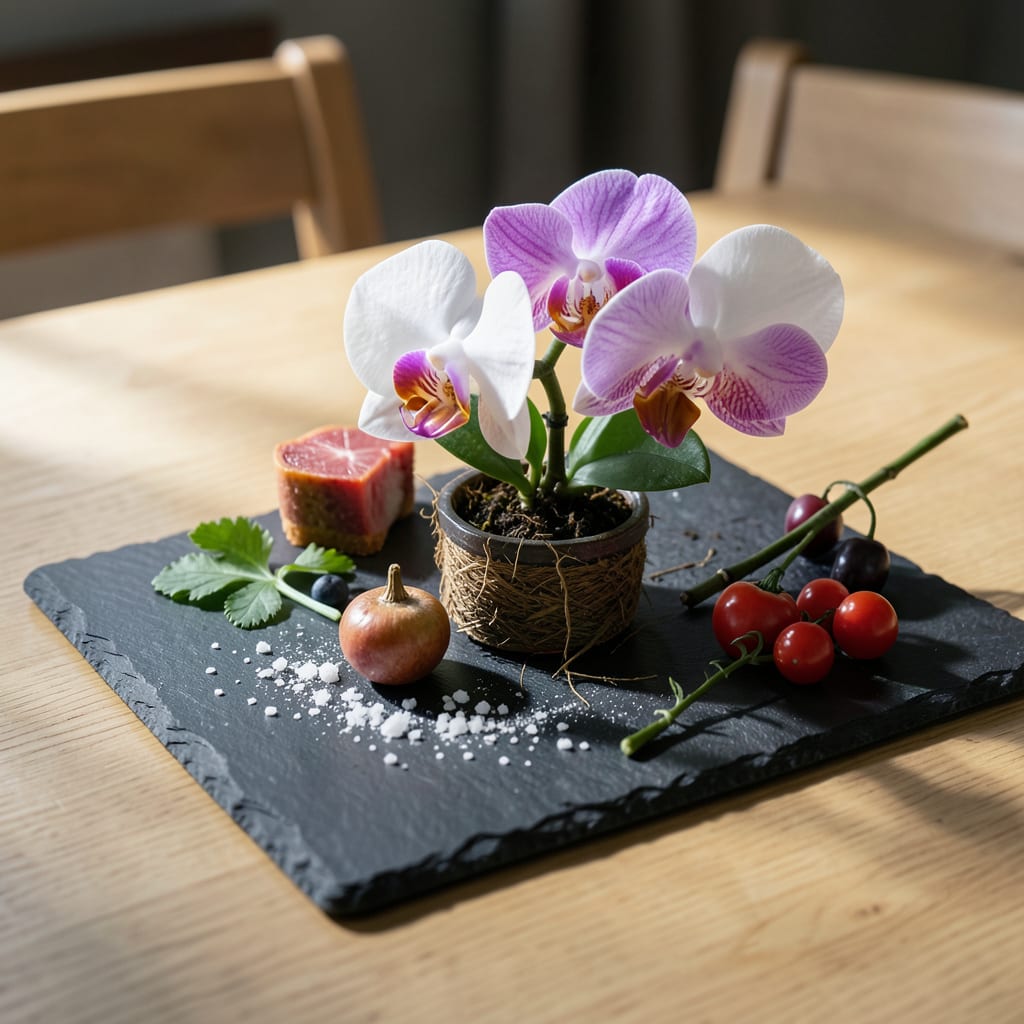
Fertilizing your Orchid 💐 at the right time is crucial for its health and blooming success. I’ve learned that understanding when and how to fertilize can make all the difference in your Orchid care routine, especially in USDA Zone 6.
Let’s explore the best times to fertilize your Orchid throughout the year. By following a simple schedule, you’ll be on your way to enjoying better blooms and a healthier plant.

Fertilizing orchids at the right time is crucial for their health and blooming success. Understanding the seasonal changes that affect orchid fertilization needs is key to providing the best care. In general, orchids have different fertilization requirements during their growth periods and dormant seasons.
During the growing season, which typically occurs in spring and summer, orchids require more frequent fertilization to support their active growth. In contrast, during the dormant season, usually in fall and winter, they require less or no fertilization.
By following this seasonal fertilization schedule, you can ensure your orchid receives the necessary nutrients at the right times, promoting healthy growth and abundant blooms. 🌼
It’s also important to consider the specific needs of your orchid species, as some may have different fertilization requirements. Researching the specific needs of your orchid can help you tailor your fertilization schedule for optimal results.
Balanced fertilizers are generally recommended for orchids, as they provide a mix of essential nutrients. A 20-20-20 NPK ratio is a good starting point, but you may need to adjust based on your orchid’s specific needs and the time of year.
Fertilizing your orchid is just one aspect of its overall care. Ensuring proper lighting, watering, and potting mix is also crucial for its health and blooming success.
Some orchid enthusiasts prefer to use a fertilizer specifically formulated for orchids, which can provide the necessary nutrients in the right proportions. Others use a balanced, water-soluble fertilizer at half the recommended strength to avoid over-fertilizing.
Regardless of the type of fertilizer you choose, it’s essential to dilute it to the recommended strength to avoid burning your orchid’s roots. Over-fertilization can be harmful, so it’s better to err on the side of caution.
In addition to the type of fertilizer, the frequency of fertilization is also important. During the growing season, fertilizing every 2 weeks is a good rule of thumb, but this may vary depending on your orchid’s specific needs and the growing conditions.
By understanding when and how to fertilize your orchid, you can provide it with the necessary nutrients to thrive. With the right care, your orchid can reward you with beautiful blooms and a healthy, robust plant. 💐
Monitoring your orchid’s response to fertilization is crucial. If you notice any signs of over-fertilization, such as yellowing leaves or burned roots, adjust your fertilization schedule accordingly.
Finally, remember that fertilization is just one part of a comprehensive orchid care routine. By combining proper fertilization with good lighting, watering, and potting practices, you can enjoy a thriving and blooming orchid.
Fertilizing orchids effectively is crucial for promoting healthy growth and abundant blooms. I recommend using a balanced fertilizer that’s specifically formulated for orchids.
A 20-20-20 NPK ratio is a good starting point, but you may need to adjust based on your orchid’s specific needs and the time of year. Some orchid enthusiasts prefer to use a fertilizer specifically formulated for orchids, while others use a balanced, water-soluble fertilizer at half the recommended strength.
Fertilize your orchid after watering to prevent root damage. Use a diluted fertilizer at half the recommended strength to avoid over-fertilizing. 🌿
When it comes to fertilizing orchids, the frequency of fertilization is also important. During the growing season, fertilizing every 2 weeks is a good rule of thumb.
However, this may vary depending on your orchid’s specific needs and the growing conditions. Be sure to monitor your orchid’s response to fertilization and adjust your schedule accordingly.
If you notice any signs of over-fertilization, such as yellowing leaves or burned roots, reduce the frequency or strength of your fertilizer. 💐
In addition to fertilization, ensuring proper lighting, watering, and potting mix is crucial for your orchid’s overall health and blooming success.
By combining proper fertilization with good orchid care practices, you can enjoy a thriving and blooming orchid. With the right care, your orchid can reward you with beautiful blooms and a healthy, robust plant.
Fertilizing orchids can be tricky, and it’s easy to make mistakes that can harm your plants. I’ve seen many orchid enthusiasts struggle with over-fertilization and nutrient deficiencies, which can be detrimental to their orchids’ health.
Be cautious when fertilizing your orchids, as over-fertilization can cause more harm than good. Always dilute your fertilizer to the recommended strength to avoid burning your orchid’s roots.
One of the most common mistakes is fertilizing too frequently. Orchids don’t need constant feeding, and over-fertilization can lead to root damage and leaf burn. Instead, fertilize your orchids every 2 weeks during the growing season, and once a month during the dormant season.
Another mistake is using the wrong type of fertilizer. Orchids require a balanced fertilizer that’s specifically formulated for their needs. Avoid using fertilizers that are high in nitrogen or phosphorus, as they can cause more harm than good.
It’s also important to monitor your orchid’s response to fertilization. If you notice any signs of over-fertilization, such as yellowing leaves or burned roots, adjust your fertilization schedule accordingly. By being mindful of these common mistakes, you can ensure your orchids receive the nutrients they need to thrive 🌿.
By avoiding these common mistakes and following a balanced fertilization schedule, you can promote healthy growth and abundant blooms in your orchids. With the right care, your orchids can reward you with beautiful flowers and a healthy, robust plant 💐.
Fertilize your orchid every 2 weeks during the growing season (spring and summer) with a balanced fertilizer to support healthy growth and blooming. This frequency provides the necessary nutrients for optimal development.
A balanced fertilizer with a 20-20-20 NPK ratio is generally recommended for orchids. You can use either a fertilizer specifically formulated for orchids or a balanced, water-soluble fertilizer at half the recommended strength. This ensures your orchid receives the necessary nutrients without over-fertilizing.
No, it’s best to stop fertilizing during the dormant season (fall and winter). Orchids require less nutrients during this period, and fertilizing can cause more harm than good. Instead, focus on providing proper lighting and watering.
Watch for signs of over-fertilization, such as yellowing leaves or burned roots. If you notice these symptoms, reduce the frequency or strength of your fertilizer. It’s always better to err on the side of caution when fertilizing orchids.
