
Beautiful Plants For Your Interior
Beautiful Plants For Your Interior
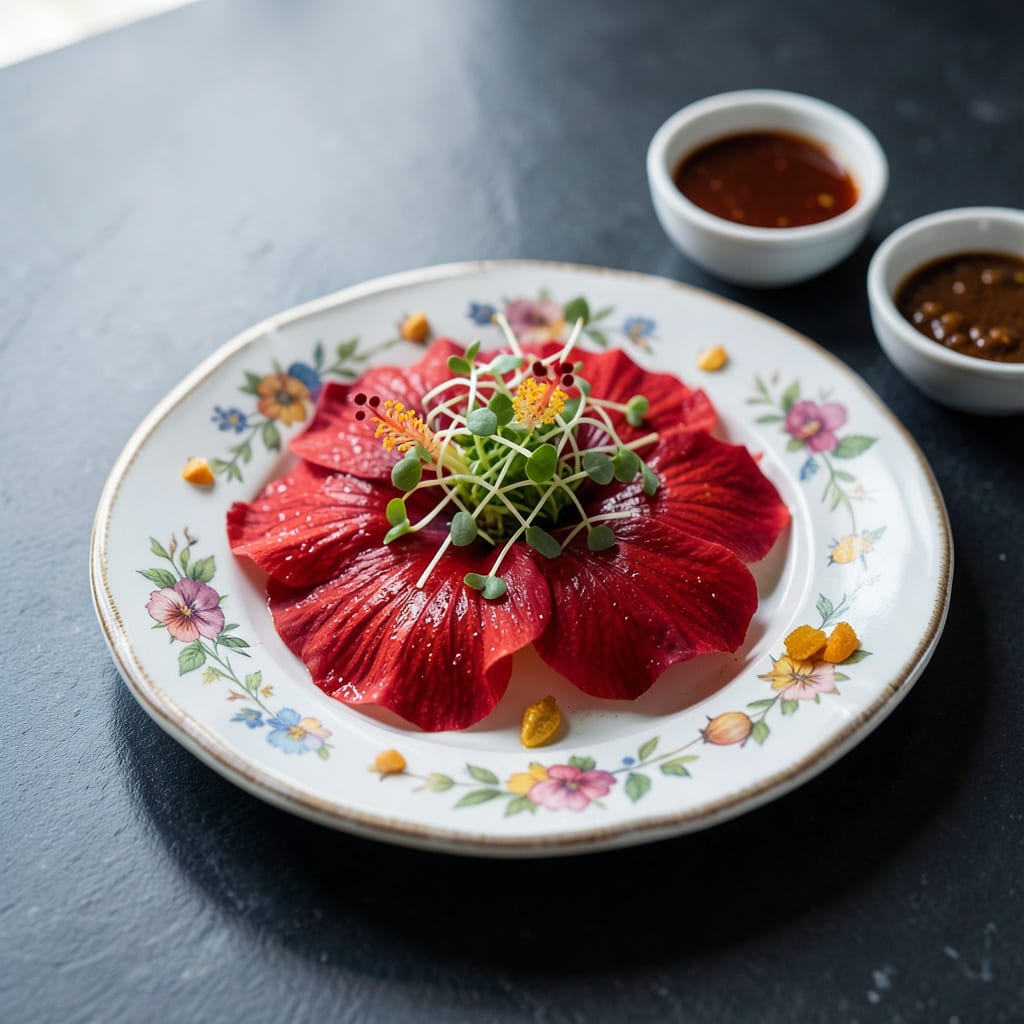
Fertilizing your Hibiscus 🌺 at the right time is crucial for vibrant blooms and healthy growth. In USDA Zone 6, the growing season typically starts in May and lasts through July.
Understanding when and how to fertilize can make all the difference in your gardening success. I’ll guide you through the best times to fertilize your Hibiscus for optimal results.

Fertilizing your Hibiscus 🌺 at the right time is crucial for vibrant blooms and healthy growth. In USDA Zone 6, the growing season typically starts in May and lasts through July.
Understanding the seasonal fertilization needs of your Hibiscus is key to its success. I’ll guide you through the best times to fertilize your Hibiscus for optimal results throughout the year 🌼.
The fertilization schedule for Hibiscus plants varies by season. In the spring, start with a Light Feed as new growth begins. During the summer months, FEED every 4-6 weeks to support maximum blooming. As fall approaches, reduce fertilization to Light Feed to help prepare the plant for dormancy. During winter months when the plant is dormant, Skip fertilizing altogether.
It’s essential to use a balanced fertilizer with an NPK ratio of 10-10-10. The amount of fertilizer needed is typically 1 cup per 10 square feet of soil surface. Apply the fertilizer in the early morning when the plant is best able to absorb the nutrients.
Monitoring your plant’s response to fertilization is crucial. Watch for signs of nutrient deficiency or over-fertilization, and adjust your fertilization schedule accordingly. Healthy Hibiscus plants will show vibrant blooms and robust growth during the growing season 🌺.
For container-grown Hibiscus, the fertilization frequency may need to be adjusted based on the size of the container and the specific growing conditions. Generally, container plants require more frequent fertilization than those grown in the ground.
Soil quality also plays a significant role in the fertilization needs of your Hibiscus. Well-draining soil with a mix of organic matter can help support healthy plant growth and reduce the need for frequent fertilization.
In addition to fertilization, proper watering is essential for healthy Hibiscus plants. Water your plants regularly, especially during hot summer months, to keep the soil consistently moist but not waterlogged.
By following this seasonal fertilization guide, you can help ensure your Hibiscus plants receive the nutrients they need to thrive throughout the year.
For more detailed information on Hibiscus care, including tips on pruning and pest management, be sure to check out our comprehensive growing guide.
Fertilizing your Hibiscus 🌺 correctly is crucial for achieving vibrant blooms and healthy growth. The right fertilization techniques can make a significant difference in your plant’s performance.
To optimize blooming, it’s essential to understand the fertilizer types, application methods, and frequency that work best for Hibiscus plants.
Select a balanced fertilizer with an NPK ratio of 10-10-10 or 20-20-20 for optimal nutrient supply.
Apply fertilizer in the early morning when the plant is best able to absorb nutrients. Use 1 cup of fertilizer per 10 square feet of soil surface.
FEED your Hibiscus every 4-6 weeks during the growing season (May – July) for maximum blooming.
Monitoring your plant’s response to fertilization is crucial. Watch for signs of nutrient deficiency or over-fertilization, and adjust your fertilization schedule accordingly.
For container-grown Hibiscus, adjust the fertilization frequency based on the container size and growing conditions. Generally, container plants require more frequent fertilization than those grown in the ground.
Soil quality also plays a significant role in fertilization needs. Well-draining soil with organic matter can support healthy growth and reduce the need for frequent fertilization.
In addition to fertilization, proper watering is essential for healthy Hibiscus plants. Water regularly, especially during hot summer months, to keep the soil consistently moist but not waterlogged 🌼.
By following these fertilization techniques, you can help ensure your Hibiscus plants receive the nutrients they need to thrive and produce vibrant blooms 🌺.
Fertilizing your Hibiscus 🌺 can be tricky, and mistakes can lead to disappointing results. Understanding what to avoid is just as important as knowing what to do.
Let’s look at some common fertilization mistakes that can harm your Hibiscus plants and how to avoid them.
Over-fertilizing can cause nutrient burn, leading to leaf scorch and reduced blooming. Always follow the recommended fertilizer application rates.
Over-fertilization is a common mistake that can damage your Hibiscus plants. Too much fertilizer can cause nutrient imbalances, leading to problems like leaf yellowing and stunted growth. To avoid this, always follow the recommended application rates and consider soil testing to determine your plant’s specific needs.
Another mistake is fertilizing at the wrong time. Fertilizing during the winter months when your Hibiscus is dormant can be wasteful and potentially harmful. Instead, focus on fertilizing during the growing season (May – July) when your plants can best utilize the nutrients.
Inadequate soil preparation is also a common error. Hibiscus plants prefer well-draining soil with a mix of organic matter. Ensuring your soil is properly prepared can help your plants absorb nutrients more effectively and reduce the risk of nutrient deficiencies.
By avoiding these common fertilization mistakes, you can help ensure your Hibiscus plants receive the nutrients they need to thrive and produce vibrant blooms 🌼.
For more detailed information on Hibiscus care, including tips on pruning and pest management, be sure to check out our comprehensive growing guide.
Fertilize your Hibiscus every 4-6 weeks during the growing season (May – July) for maximum blooming. Use a balanced fertilizer with an NPK ratio of 10-10-10. This frequency supports healthy growth and vibrant blooms .
The best time to fertilize your Hibiscus is in the early morning. This allows the plant to absorb the nutrients throughout the day. Avoid fertilizing during the hottest part of the day to prevent burning the roots .
No, it’s recommended to skip fertilizing during the winter months (December – February) when your Hibiscus is dormant. Fertilizing during this time can be wasteful and potentially harmful to the plant. Wait until new growth begins in the spring .
Use 1 cup of fertilizer per 10 square feet of soil surface. Adjust the amount based on the size of your plant and soil conditions. Always follow the recommended application rates to avoid over-fertilization .
