
Beautiful Plants For Your Interior
Beautiful Plants For Your Interior
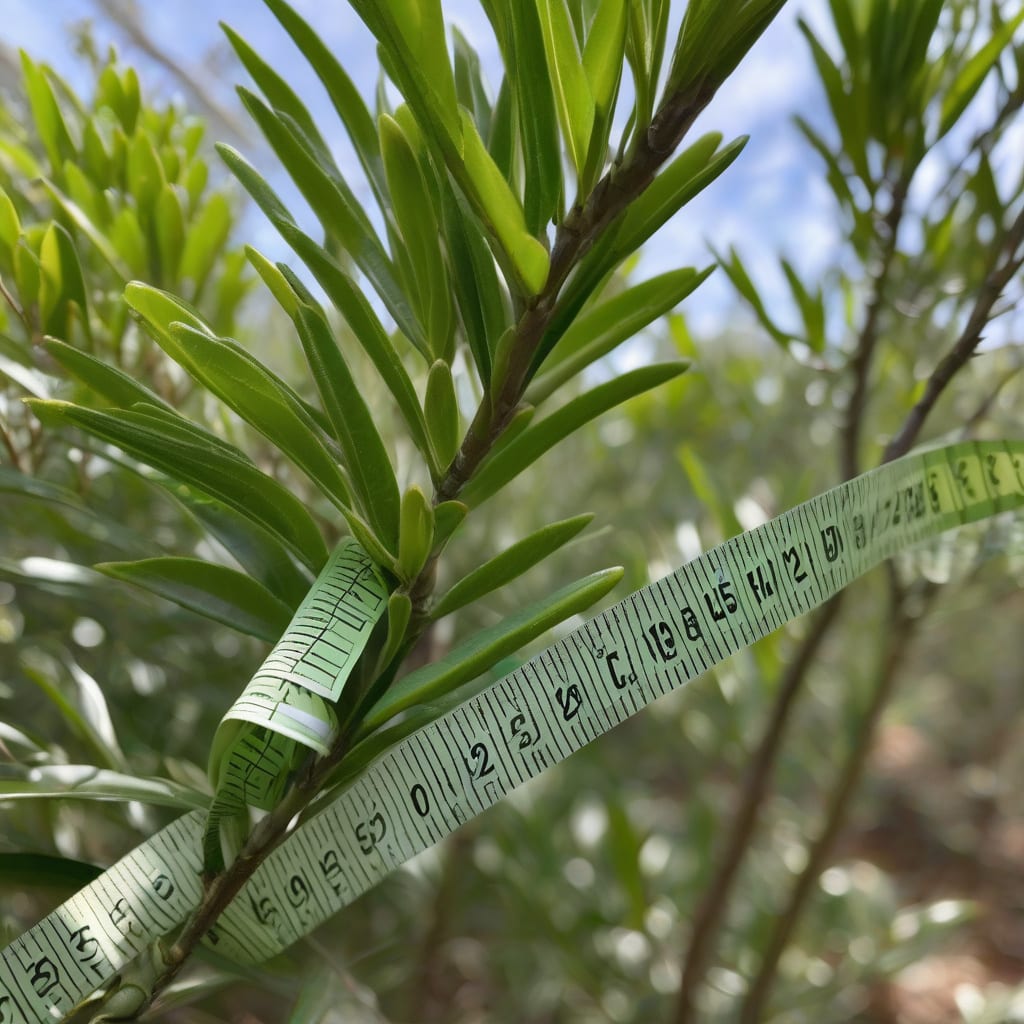
I’ve always been fascinated by the Tea Tree 🌿, known for its fragrant leaves and beautiful blossoms. Understanding how tall these trees can grow is crucial for gardeners and landscapers.
In ideal conditions, Tea Trees can reach heights of 15-30 feet, making them a stunning addition to any landscape in USDA Zone 9b. Let’s explore the factors that influence their growth and maximum height potential.

I’ve found that several key factors influence how tall tea trees can grow. Understanding these elements is crucial for gardeners and landscapers looking to cultivate these beautiful plants 🌿.
The climate plays a significant role in determining the height of tea trees. In ideal conditions, with warm temperatures and adequate moisture, tea trees can thrive and reach their maximum potential height.
Soil quality is another critical factor affecting tea tree height. Tea trees prefer well-draining soil that is slightly acidic, which can significantly impact their growth rate and maximum height 🌱.
In addition to climate and soil, pruning practices play a vital role in managing the height of tea trees. By pruning regularly, gardeners can not only control the height but also promote a bushier, more productive tree 🌿.
Pruning techniques can vary depending on the desired outcome. For example, pruning the top branches can help maintain a lower height, while pruning lower branches can promote upward growth.
It’s also important to consider the age of the tree when evaluating its growth potential. Younger tea trees tend to grow more rapidly than older, established trees.
Nutrient availability is another factor that can impact tea tree height. Adequate nutrients, particularly nitrogen, phosphorus, and potassium, are essential for healthy growth and development.
By understanding these factors and how they interact, gardeners can better manage the growth of their tea trees and achieve their desired height 🌿.
Regular monitoring and adjustment of these factors can help optimize tea tree growth and ensure a healthy, productive tree.
For more specific guidance on managing tea tree height, consider consulting with a local horticulture expert or conducting further research on tea tree cultivation 🌿.
By combining the right climate, soil conditions, and pruning practices, gardeners can successfully grow tea trees that meet their needs and enhance their landscape.
I’ve found that tea tree varieties can differ significantly in their growth habits and maximum heights. Understanding these differences is essential for gardeners to make informed decisions about which cultivars to grow 🌿.
Some tea tree varieties are naturally more compact, growing into shrubs, while others can develop into tall trees. The maximum height potential of these trees can range from 10 to 30 feet, depending on the specific cultivar and growing conditions.
The Compact Tea Tree variety is ideal for smaller gardens or containers, as it naturally grows to a more manageable height of 10-15 feet. In contrast, the Standard Tea Tree can reach heights of 15-30 feet, making it more suitable for larger landscapes 🌳.
Gardeners should consider the growth habit of their chosen tea tree variety when planning their garden or landscape. Understanding whether a variety will grow into a shrub or a tree can help with spacing and maintenance decisions.
By selecting the right tea tree variety for their needs and understanding its maximum height potential, gardeners can create a beautiful and functional landscape that incorporates these versatile plants 🌿.
It’s also worth noting that factors such as climate, soil quality, and pruning practices can influence the actual height achieved by a tea tree, regardless of its variety.
Regular monitoring and appropriate care can help ensure that tea trees reach their full potential while maintaining a healthy and productive growth habit 🌟.
Managing the height of tea trees in your garden is crucial for maintaining their health and aesthetic appeal. I’ve found that with the right techniques, you can keep your tea trees at a desirable height 🌿.
Regular pruning is key to controlling tea tree height. Prune in early spring or late winter to maintain shape and promote healthy growth.
Pruning techniques are essential for managing tea tree height. By pruning regularly, you can control the height and promote a bushier, more productive tree. Prune the top branches to maintain a lower height, and prune lower branches to promote upward growth 🌱.
Training methods can also help manage tea tree height. Techniques like topping and shaping can be used to maintain a desired height and promote a balanced structure 🌳.
Regular monitoring of your tea trees is crucial for effective height management. Check your trees regularly for signs of overgrowth and adjust your pruning schedule as needed 🌟.
By combining proper pruning techniques with regular monitoring, you can successfully manage the height of your tea trees and enjoy their beauty and benefits for years to come 🌿.
